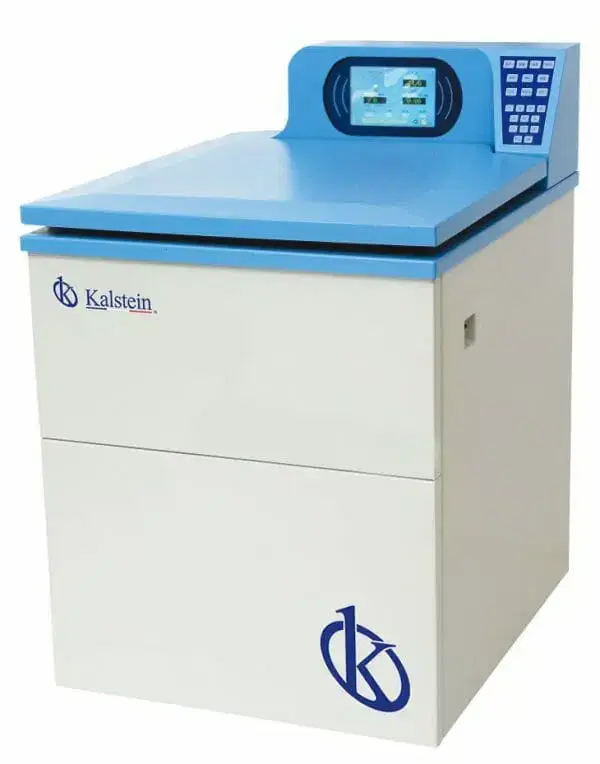
How to Interpret Results and Read Measurements with the YR0111-1-6 Centrifuge
The YR0111-1-6 centrifuge is a powerful instrument designed for various laboratory applications, particularly in clinical, industrial, and educational settings. Understanding how to interpret results and read measurements accurately is critical for achieving reliable outcomes in any laboratory environment. This guide delves deeply into the interpretation of results using the YR0111-1-6, providing insights into measurement readings, common misinterpretations, and real-world examples to enhance your operational proficiency.
Understanding the Basics of Centrifugation
Centrifugation is the process of using centrifugal force to separate components of different densities within a liquid. The YR0111-1-6 utilizes this principle to effectively separate samples in a variety of laboratory applications. When interpreting results, it is essential to grasp the underlying principles of how centrifugation works and the factors affecting the separation process.
Key concepts include rotor speed, sample density, and the time factor in the centrifugation process. These factors influence how well components separate and how results should be interpreted. Operators should always consider these variables when analyzing their results.
Technical Specifications of YR0111-1-6
| Model | Brand | Category | Price (USD) | Gross Weight (kg) |
|---|---|---|---|---|
| YR0111-1-6 | Kalstein | Centrifuges | 2544.00 | 25 |
Interpreting Measurement Results
When operating the YR0111-1-6, accurate interpretation of measurement results is paramount. This section focuses on understanding the readings from the centrifuge, including how to read the display, printouts, and curves generated during operation.
Results are typically represented in units such as RPM (revolutions per minute) and RCF (relative centrifugal force). It is crucial for operators to familiarize themselves with these units, their normal ranges, and how to accurately interpret the data displayed by the YR0111-1-6.
Common Misinterpretations and How to Avoid Them
Operators may encounter misinterpretations of results due to various factors such as instrument calibration, sample preparation errors, or incorrect operational settings. This section explores common misinterpretations and provides strategies for avoiding them.
For instance, a common issue is reading RCF incorrectly; operators should always ensure they are using the correct formula for conversion. Misunderstanding error bars and their significance can also lead to incorrect conclusions about the results obtained from the YR0111-1-6.
Real-World Examples of Result Interpretation
To further enhance understanding, real-world examples will illustrate how to interpret results from the YR0111-1-6 effectively. These examples include case studies from various laboratory settings, demonstrating the correct approach to analyzing and reporting results.
For instance, a clinical lab may require specific guidelines for interpreting hematocrit values obtained from blood samples. In such cases, understanding the normal ranges and deviations can significantly impact diagnosis and treatment.
Frequently Asked Questions
What is the optimal speed setting for the YR0111-1-6 for different samples?
The optimal speed setting for the YR0111-1-6 varies depending on the sample type. It is essential to refer to the user manual and relevant protocols for guidance on appropriate speeds for specific applications.
How do I read the display and printout results from the YR0111-1-6?
The display of the YR0111-1-6 provides real-time data, including RPM and RCF. Printouts will typically show the final values achieved at the end of the centrifugation cycle. Ensure to cross-reference these with known standards for accurate interpretation.
What are the common mistakes in interpreting centrifuge results?
Common mistakes include misreading RCF values, overlooking error margins, and not accounting for sample density variations. Understanding the context and specific protocols can help mitigate these errors.
How can I improve the accuracy of my readings with the YR0111-1-6?
Improving accuracy involves regular calibration of the centrifuge, ensuring proper sample preparation, and adhering to established protocols for each specific type of sample being analyzed.
Are there recommended practices for reporting centrifuge results from the YR0111-1-6?
Yes, best practices include providing context for the results, detailing the sample preparation methods, and citing appropriate references for the normal ranges of values reported.
Conclusion and Call to Action
If you are looking for a fusion of innovation and quality, you have come to the right place. At Kalstein, we offer you the luxury of exploring our exclusive catalog of laboratory equipment. We manufacture every device to the highest standards of excellence. Our intuitive and seamless online purchasing channels are designed for your convenience, securing the most competitive prices. Hesitate no longer — we bring science to life, it is time to become part of our community.