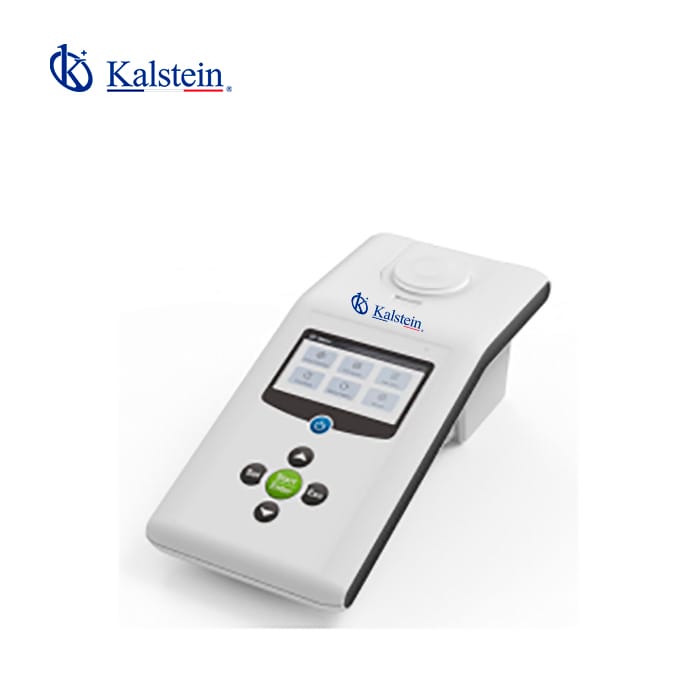
Interpretation of Results and Measurement Readings with the YR06296 COD Analyzer
The YR06296 COD Analyzer is a state-of-the-art portable device designed specifically for measuring Chemical Oxygen Demand (COD) with precision and efficiency. This article focuses on the interpretation of results and reading measurement outputs, essential for laboratory professionals and field operators.
Technical Data of the YR06296
| Specification | Details |
|---|---|
| Model | YR06296 |
| Measurement Method | Fast digestion spectrophotometry |
| Measuring Range | 10-10000 mg/L |
| Accuracy | ≤5% |
| Resolution | 0.01 |
| Light Source | Imported Silicon Photodiode |
| Display | 3-inch color screen |
| Output | Micro USB |
| Power | Power adapter/Rechargeable lithium battery |
| Waterproof Level | IP54 |
| Ambient Temperature | (5-40) °C |
| Ambient Humidity | Relative humidity ≤ 85% (No condensation) |
Understanding Measurement Units and Results
The YR06296 measures COD in milligrams per liter (mg/L), a standard unit used to express the amount of oxygen that microorganisms will consume while decomposing organic matter in water. Accurate interpretation of these results is crucial for evaluating water quality and pollution levels.
Normal ranges for COD can vary greatly depending on the source of the water (e.g., municipal, industrial, or natural sources). Understanding these ranges and their significance can help operators make informed decisions regarding water treatment and management.
Calibrating the YR06296 for Accurate Readings
Calibration of the YR06296 is an essential process to ensure accuracy in measurements. The device can be calibrated with up to seven points, which allows for high precision across various sample types. It is important to use standard solutions that closely match the expected sample concentrations when calibrating.
Operators should regularly check the calibration status and conduct recalibration as needed, especially after extensive use or when measurements appear inconsistent. The device also features a recalibration reset function that returns the analyzer to factory calibration settings, helping maintain accuracy.
Common Misinterpretations of Results
One common issue among operators is misreading the results displayed on the YR06296. Reading the digital output requires understanding the significance of each digit and the implications of accuracy and precision.
For example, a reading of 1500 mg/L could be misinterpreted as indicating high pollution levels without considering the source context. Operators should familiarize themselves with normal COD thresholds for different water bodies and types to accurately interpret their results.
Field Use Cases for the YR06296
The YR06296 is designed for portability and efficiency, making it ideal for fieldwork. In various applications, such as wastewater treatment plants or environmental monitoring programs, practitioners must interpret data quickly and accurately to inform immediate actions.
For instance, if a reading indicates a sudden spike in COD levels, operators might have to investigate potential pollution sources promptly. This capability is critical in mitigating environmental impacts and ensuring compliance with regulations.
Tips for Effective Measurement Interpretation
- Calibrate Regularly: Ensure the analyzer is calibrated before use, especially in varying environmental conditions.
- Understand Sample Context: Always consider the context of the water source to interpret results accurately.
- Record Results Systematically: Maintain logs of measurements to identify trends over time, which can provide insights into water quality changes.
Frequently Asked Questions
What is the measurement range of the YR06296?
The YR06296 measures COD levels within a range of 10-10000 mg/L, making it suitable for various water sources.
How often should I calibrate the YR06296?
Calibration frequency depends on usage; however, it is recommended to calibrate the device before major testing sessions or after significant changes in environmental conditions.
What factors can affect the accuracy of readings?
Factors such as improper calibration, environmental conditions, and sample contamination can all impact the accuracy of readings from the YR06296.
Can the YR06296 be used for different water types?
Yes, the YR06296 is versatile and can be used for a variety of water types, including industrial effluents, drinking water, and surface water.
How do I read the results displayed on the YR06296?
Results are displayed in mg/L on the 3-inch color screen, which shows the COD measurement along with any necessary indications such as error messages or calibration prompts.
What should I do if the readings seem inconsistent?
If readings appear inconsistent, check the calibration, inspect for sample contamination, and ensure the device is functioning correctly. Re-calibrating may also help resolve discrepancies.
Request a Quote
If you are interested in acquiring the YR06296 COD Analyzer for your laboratory needs, please request a quote for pricing and tailored options.
If you are looking for a fusion of innovation and quality, you have come to the right place. At Kalstein, we offer you the luxury of exploring our exclusive catalog of laboratory equipment. We manufacture every device to the highest standards of excellence. Our intuitive and seamless online purchasing channels are designed for your convenience, securing the most competitive prices. Hesitate no longer — we bring science to life, it is time to become part of our community.