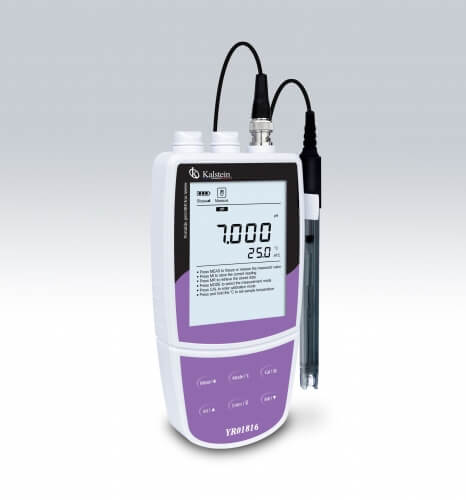
Interpretation of Results with the YR01817-10 Ammonium Ion Meter
The YR01817-10 portable ammonium ion meter is an advanced device designed for precise measurement of ammonium ion concentrations in various environments. Understanding the interpretation of the results obtained from this meter is critical for ensuring accurate assessments in clinical, industrial, and environmental applications. This article will delve into the essential aspects of interpreting results and reading measurements correctly, while also addressing technical specifications and common queries.
Technical Specifications of the YR01817-10
| Model | YR01817-10 |
|---|---|
| Measurement Range | 5 × 10⁻⁶ to 1 M, 0.1 to 23000 ppm |
| Resolution | 0.001, 0.01, 0.1, 1 |
| Accuracy | ± 0.5% FS |
| Calibration Points | 2 to 5 points |
| Units of Measurement | ppm, mg/L, mol/L |
| Temperature Compensation | 0 to 100 °C |
| Memory Capacity | Stores up to 500 data sets |
| Power Supply | 3 AA batteries or DC 5V adapter |
Understanding Ammonium Ion Measurements
Ammonium ions (NH4+) are a key parameter in various chemical and biological processes. The YR01817-10 is capable of measuring these ions with great precision. When interpreting the results, it is essential to understand the units used, which can be in parts per million (ppm), milligrams per liter (mg/L), or moles per liter (mol/L). Each unit serves a different purpose based on the context of the study or application.
Reading the Display of the YR01817-10
The YR01817-10 features a backlit LCD display that shows real-time measurements, calibration status, and diagnostic information. Users must familiarize themselves with the display metrics, which include the ion concentration, temperature, and any error codes that may appear. Understanding these readings is crucial for accurate interpretation.
Common Misinterpretations and How to Avoid Them
One of the most common pitfalls in using the YR01817-10 is misinterpreting the displayed concentration values. For instance, readings influenced by temperature variations may lead to inaccurate conclusions. It is vital to ensure that the device is properly calibrated before use and that the temperature compensation feature is enabled. Users should also be aware of potential contaminants in the sample that could skew results.
Examples of Measurement Interpretations
To illustrate how to properly interpret the results from the YR01817-10, consider the following example: If a sample shows a concentration of 1500 ppm of ammonium ions, it is essential to compare this value against established normal ranges for the specific application (e.g., agricultural or clinical). Understanding these thresholds helps users determine whether the concentration is acceptable or if further action is required.
Common Issues and Troubleshooting
Common issues can arise while using the YR01817-10, such as inconsistent readings or error codes. Users should refer to the troubleshooting section of the user manual for diagnostic steps. Additionally, maintaining the calibration schedule and regularly checking the electrode condition is vital to ensure reliable measurements.
Frequently Asked Questions
How do I calibrate the YR01817-10 for accurate results?
Calibration of the YR01817-10 can be performed using standard solutions that correspond to the expected concentration of ammonium ions. Follow the manufacturer's instructions for the number of calibration points and the procedure to ensure accurate results.
What should I do if the meter displays an error code?
If the YR01817-10 displays an error code, consult the user manual for specific troubleshooting steps related to that code. This may involve checking the electrode, recalibrating, or assessing the sample conditions.
What are the proper storage conditions for the YR01817-10?
Store the YR01817-10 in a cool, dry place, ensuring that the electrodes are kept moist to prevent drying out. Proper storage extends the lifespan of the equipment and ensures accurate readings.
How often should I perform maintenance on the YR01817-10?
Regular maintenance of the YR01817-10 should be performed according to the manufacturer's guidelines. This includes routine calibration, cleaning of electrodes, and replacing any worn parts to maintain accuracy.
Can the YR01817-10 be used in outdoor environments?
Yes, the YR01817-10 is designed for portability and can be used in outdoor environments. However, it is essential to monitor environmental factors, such as temperature and humidity, which could influence measurements.
What is the expected lifespan of the YR01817-10?
The expected lifespan of the YR01817-10 greatly depends on usage and maintenance. With proper care, the device can provide reliable service for several years; however, regular checks and calibration will ensure its longevity.
If you are looking for a fusion of innovation and quality, you have come to the right place. At Kalstein, we offer you the luxury of exploring our exclusive catalog of laboratory equipment. We manufacture every device to the highest standards of excellence. Our intuitive and seamless online purchasing channels are designed for your convenience, securing the most competitive prices. Hesitate no longer — we bring science to life, it is time to become part of our community.