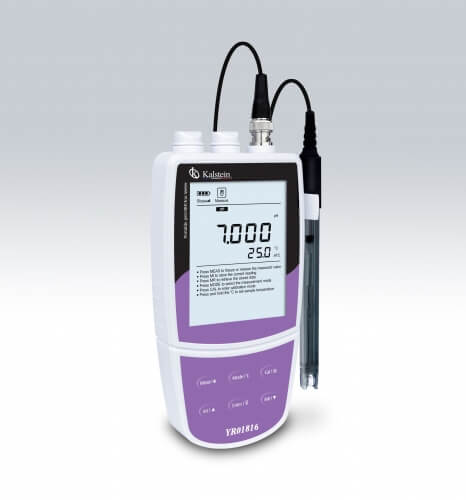
Interpreting Results and Reading Measurements with the YR01817-5 Ammonium Ion Meter
The YR01817-5 portable ammonium ion meter is a professional-grade instrument designed for accurate and reliable measurements in various applications. Understanding how to interpret the readings from this device is crucial for obtaining valid results, making informed decisions, and ensuring compliance with industry standards.
Understanding the YR01817-5 and Its Features
The YR01817-5 is equipped with a high-resolution LCD screen and features an automatic temperature compensation system, which helps maintain accuracy across varying environmental conditions. It supports multiple units of concentration (PPM, MG/L, and MOL/L) and allows for calibration across 2 to 5 points, ensuring the flexibility needed for different measurement conditions.
Technical Specifications of the YR01817-5
| Model | YR01817-5 |
|---|---|
| Measurement Range | 1 × 10⁻⁶M up to saturation, 0.02ppm up to saturation |
| Accuracy | ± 0.5% FS |
| Calibration Points | 2 to 5 points |
| Data Memory | Stores up to 500 data sets |
| Power Supply | 3 AA batteries or DC5V power adapter |
| Dimensions | 170 × 85 × 30 mm |
| Weight | 300g |
How to Properly Read Measurements from the YR01817-5
Reading measurements accurately from the YR01817-5 involves understanding the display indicators. The meter provides direct readings of ammonium ion concentrations, which can be easily read on the LCD. Measurements are displayed in the selected unit, making it essential to select the appropriate unit for your application before taking measurements.
Common misinterpretations occur when users overlook the significance of calibration points or fail to consider temperature variations that could affect readings. Regular calibration is crucial to ensure accuracy, especially when measuring low concentrations or in varying environmental conditions.
Common Misinterpretations of Results
Some users may misinterpret readings due to environmental influences such as temperature or interference from other ions. The YR01817-5's automatic temperature compensation helps to mitigate this issue, but understanding the limits of detection is also key. For example, readings close to the limit of detection may be inaccurate, leading to false conclusions.
It is also important to understand what constitutes a 'normal' range for ammonium ion concentrations in your specific application. This can vary widely based on the industry and the specific use case (clinical, industrial, etc.). Always consult relevant guidelines when determining acceptable levels.
Interpreting Ion Concentration Units and Error Bars
The YR01817-5 allows for measurements in different units, including PPM (parts per million), MG/L (milligrams per liter), and MOL/L (moles per liter). Understanding these units is essential when analyzing results. For instance, converting between these units often requires specific knowledge about the sample being tested and the nature of the measurement.
Error bars are critical for understanding the reliability of your measurements. The YR01817-5's ±0.5% FS accuracy indicates that the readings can fluctuate within this range under optimal conditions. Users should factor this variability into their analysis, particularly in quality control processes.
Practical Use Cases for YR01817-5 in Various Sectors
The YR01817-5 is versatile and applicable in multiple sectors, including clinical diagnostics, environmental monitoring, industrial applications, and educational settings. Each use case requires specific protocols for preparation and analysis:
- Clinical Applications: Used to monitor ammonium levels in patient samples, ensuring that results align with health standards.
- Environmental Monitoring: Essential for assessing water quality and compliance with environmental regulations.
- Industrial Applications: Utilized in manufacturing processes where ammonium concentrations need to be controlled for safety and quality.
- Educational Settings: A valuable tool in laboratories for teaching students about ion concentration and measurement techniques.
Frequently Asked Questions
What calibration process should I follow for the YR01817-5?
Calibration should be conducted regularly, ideally before each use or after a substantial change in temperature. Use standard solutions for calibration points that cover the expected concentration range to ensure accurate results.
How often should I replace the electrodes in the YR01817-5?
Electrode replacement depends on usage frequency and the types of samples tested. Monitoring electrode performance through diagnostic features of the YR01817-5 will guide you on when to replace them.
What is the maximum range of concentrations I can measure with the YR01817-5?
The YR01817-5 can measure concentrations ranging from 0.02 ppm up to saturation, making it suitable for various applications, including low-level and high-level analyses.
What troubleshooting steps should I take if the readings are inconsistent?
First, check the calibration status and ensure it is correctly calibrated. Assess the sample quality, temperature conditions, and electrode performance. If problems persist, consider performing a factory reset of the meter.
Can I transfer data from the YR01817-5 to a computer?
Yes, the YR01817-5 includes a USB communication interface that allows for data transfer to a computer, facilitating easier record-keeping and analysis.
What is the importance of automatic temperature compensation?
Automatic temperature compensation ensures that readings remain accurate despite variations in temperature, which can significantly impact ion concentrations and measurement reliability.
What is the recommended method for cleaning the YR01817-5?
Use a soft cloth and mild cleaning solution to clean the exterior of the device. For the electrode, follow the manufacturer's guidelines, ensuring it is stored correctly when not in use to prolong its life.
If you’re looking for a fusion of innovation and quality, you have come to the right place. At Kalstein, we offer you the luxury of exploring our exclusive catalog of laboratory equipment. We manufacture every device to the highest standards of excellence. Our intuitive and seamless online purchasing channels are designed for your convenience, securing the most competitive prices. Hesitate no longer — we bring science to life, it is time to become part of our community.