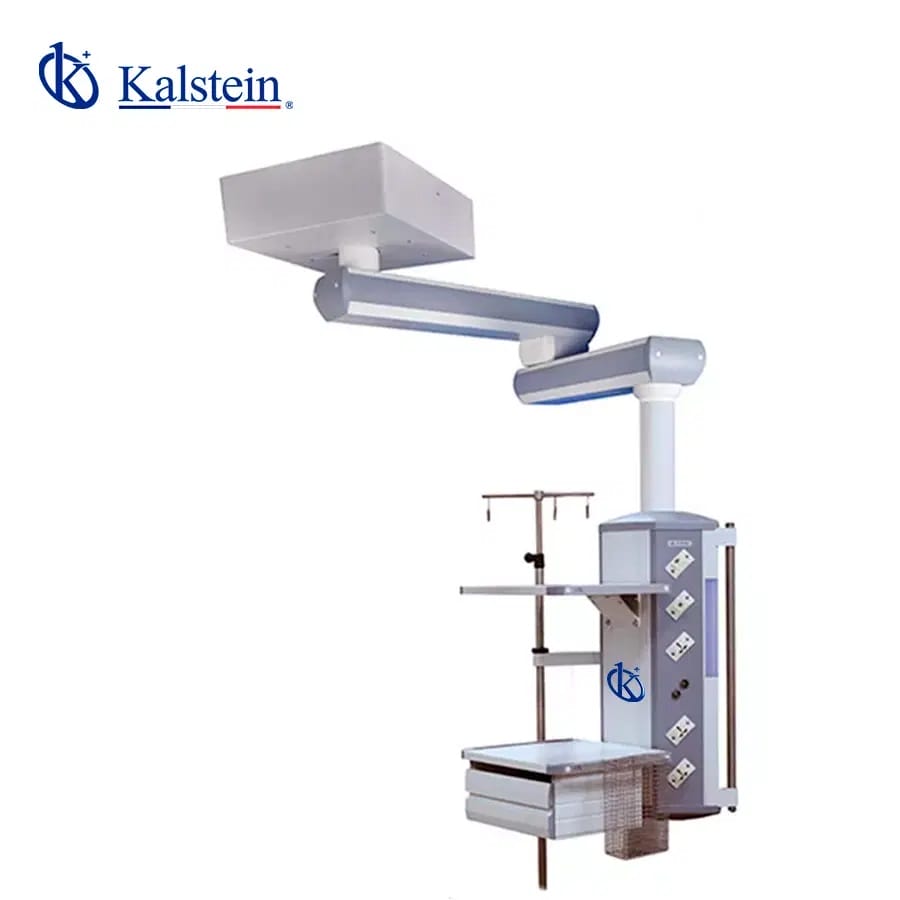
Interpreting Results and Reading Measurements with the YR02080 Anesthesia Pendant
The YR02080 Anesthesia Pendant is an essential device utilized in surgical settings, emergency rooms, intensive care units, and recovery rooms. Its design and functionality are tailored to facilitate an efficient workflow for medical personnel, thereby enhancing patient care. This article focuses on how to effectively interpret results and read measurements associated with the YR02080, ensuring optimal use of its features.
Technical Specifications of the YR02080
| Parameter | Details |
|---|---|
| Model | YR02080 |
| Arm Rotating Radius | 800mm + 800mm |
| Arm Rotating Angle | 340° |
| Braking System | Friction brake |
| Maximum Load Capacity | 160 kg |
| Electrical Socket | 2 earth studs |
| Standard Configuration | 1 Oxygen (O2), 1 Air, 1 Nitrous Oxide (N2O), 1 Vacuum Suction (VAC), 1 Jet Exhaust Emission (AGSS), 6*10A Power Outlets, 1 Network Socket, 1 Grounding Terminal |
Understanding the Key Features of the YR02080
The YR02080 Anesthesia Pendant is designed for optimal functionality in critical environments. Its ceiling-mounted structure allows a 340° rotational range, facilitating precise positioning of the terminal box. This design choice ensures that medical staff can access essential equipment easily, optimizing workflow during surgery or intensive care.
The pendant also supports various types of adapters, enabling compatibility with German, British, American, and Australian gas standards. This flexibility is crucial in multi-national healthcare settings where equipment may need to meet different regulatory standards.
Interpreting Measurements from the YR02080
Measurements taken from the YR02080 primarily revolve around patient gas delivery and monitoring equipment. Understanding these readings is crucial for ensuring patient safety and effective anesthesia management. Medical personnel must be proficient in reading levels of oxygen, nitrous oxide, and gas pressures displayed on the pendant’s interface.
It is vital to recognize normal ranges for each measurement. For instance, oxygen levels should generally remain between 21% and 100%, while nitrous oxide concentrations should not exceed safety thresholds. Understanding these metrics helps in making informed decisions during procedures.
Common Misinterpretations of Measurements
One of the challenges in interpreting results from the YR02080 is distinguishing between normal fluctuations in measurements and potentially dangerous anomalies. For example, a sudden drop in oxygen levels might be misread if the operator is unaware of the patient’s underlying conditions or the context of the surgery.
Medical staff should always cross-reference the displayed measurements with patient vitals and maintain situational awareness. Training sessions focusing on interpretation of results can help mitigate misinterpretations and enhance overall patient safety.
Site Requirements for the YR02080 Installation
Before installing the YR02080 Anesthesia Pendant, it is essential to prepare the site according to specific requirements. The pendant should be installed in a location that allows for proper clearance and accessibility, keeping in mind the height and weight considerations outlined in the technical specifications.
Key site preparation factors include ensuring adequate ventilation, maintaining power supply requirements, and ensuring the area is free from interference from electromagnetic fields (EMI). A checklist should be prepared to verify site readiness before installation.
Frequently Asked Questions
What are the normal oxygen and nitrous oxide levels when using the YR02080?
The normal oxygen level should generally be maintained between 21% and 100%. For nitrous oxide, concentrations should be monitored closely and not exceed recommended safety limits set by healthcare standards.
How do I troubleshoot low gas pressure readings on the YR02080?
If you encounter low gas pressure readings, first check the connections to ensure there are no leaks. Additionally, verify that the gas supply is adequate and that filters are not clogged. If issues persist, consult the service manual for further diagnostics.
What steps should be taken if the YR02080 does not rotate?
If the pendant does not rotate, check the locking mechanism and ensure that the friction brake is not engaged. If the brakes are functioning properly, inspect for any mechanical obstructions and ensure proper maintenance has been conducted.
What is the weight capacity of the YR02080, and why is it significant?
The YR02080 has a maximum load capacity of 160 kg. This capacity is significant as it allows for the safe suspension of various devices necessary for patient care, ensuring that equipment remains reliable and stable during operations.
Can the YR02080 be customized with additional accessories?
Yes, the YR02080 can be customized with various optional accessories such as additional gas outlets and monitor mounts, allowing healthcare facilities to tailor the pendant to their specific needs.
What maintenance is required for the YR02080?
Regular maintenance for the YR02080 includes inspections of the electrical connections, gas line integrity, and mechanical movement of the pendant. Following a routine maintenance schedule helps ensure longevity and reliability of the equipment.
How does the braking system of the YR02080 work?
The YR02080 is equipped with a friction brake system that allows for secure positioning of the pendant. Operators can engage or disengage the brake as needed to ensure that the equipment remains stable during procedures.
If you are looking for a fusion of innovation and quality, you have come to the right place. At Kalstein, we offer you the luxury of exploring our exclusive catalog of laboratory equipment. We manufacture every device to the highest standards of excellence. Our intuitive and seamless online purchasing channels are designed for your convenience, securing the most competitive prices. Hesitate no longer — we bring science to life, it is time to become part of our community.