Interpreting Results and Reading Measurements with the YR02171 Patient Monitor
The YR02171 Patient Monitor is designed for a variety of clinical settings, providing healthcare professionals with critical data to assess patient health accurately. This article aims to delve deeply into the interpretation of results and the reading of measurements obtained from this specific model, enabling operators to maximize its operational capabilities.
Understanding the YR02171 Patient Monitor
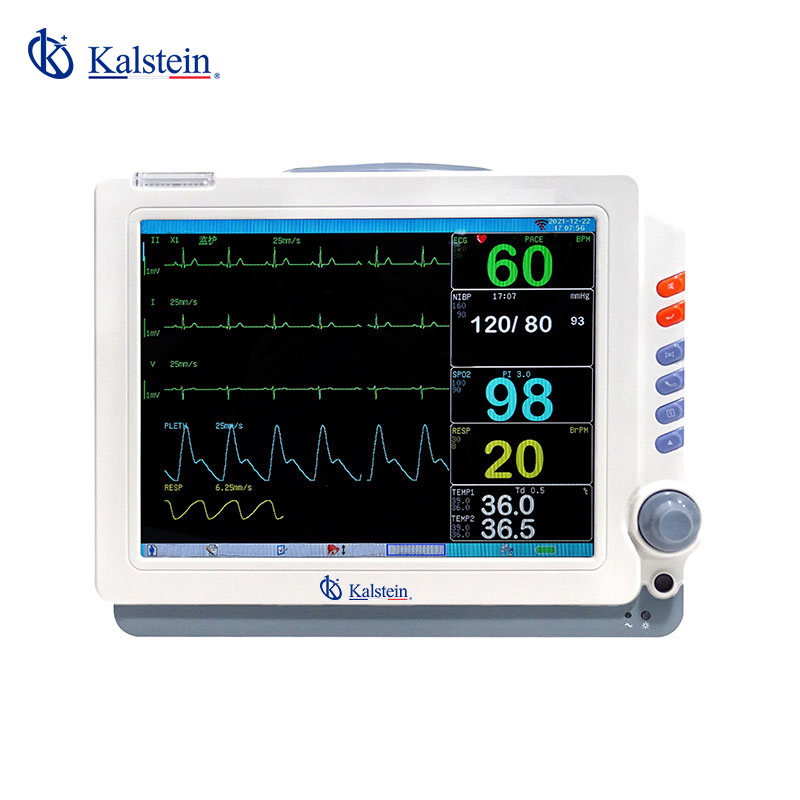
The YR02171 Patient Monitor features a multi-channel display that allows for comprehensive monitoring of vital signs. With its large interface, users can easily navigate through the various metrics that it provides. This patient monitor is equipped with advanced functionalities such as ST analysis, arrhythmia detection, and dynamic OxyCRG visualization, which are essential for effective patient assessment.
Technical Specifications of the YR02171
| Model | Brand | Category | Price (USD) | Weight (kg) |
|---|---|---|---|---|
| YR02171 | Kalstein | Patient Monitor | 358.00 | 3.2 |
Interpreting Vital Signs Displayed by the YR02171
One of the primary functions of the YR02171 is to display vital signs, which include heart rate, blood pressure, respiration rate, and oxygen saturation. Understanding how to interpret these readings correctly is paramount for accurate patient assessment.
The heart rate is typically displayed in beats per minute (bpm) and must be interpreted within normal ranges; for adults, a typical range is between 60 to 100 bpm. Values outside of this range may indicate underlying health issues.
Blood pressure readings are presented as systolic over diastolic (e.g., 120/80 mmHg). Understanding what these values indicate regarding the patient's cardiovascular health is crucial. A high systolic reading may suggest hypertension, while a low diastolic reading could signal potential health concerns.
Common Misinterpretations of Data
In the clinical setting, misinterpretation of data can lead to critical errors in patient management. For instance, a high heart rate might be mistakenly interpreted as a sign of anxiety, when it could be a symptom of a more serious condition such as tachycardia. It’s essential to analyze data in conjunction with patient history and other clinical signs.
Additionally, oxygen saturation levels below 90% may prompt alarm responses. Operators must understand that factors like poor circulation or motion artifacts can lead to misleading readings. Thus, clinicians should confirm low saturation levels with additional assessments.
Dynamic OxyCRG Visualization and Its Importance
The dynamic OxyCRG feature of the YR02171 allows caregivers to visualize oxygen delivery in real-time. This capability is crucial for assessing the patient's respiratory efficiency and making timely interventions if necessary. Understanding how to read and interpret the OxyCRG graph will enable the effective monitoring of respiratory patterns and the detection of potential issues.
Key indicators to look for include the shape of the waveform and any abnormalities that may suggest respiratory distress. Careful observation of these features will aid in making informed clinical decisions.
Documenting and Analyzing Measurements
Documentation of measurements from the YR02171 is vital for ongoing patient care. Operators must ensure that all readings are accurately recorded in the patient's medical records. This documentation not only aids in continuity of care but also is critical during transitions between care settings.
Periodic analysis of trends over time can highlight changes in a patient's condition and assist in adjusting treatment plans accordingly. This proactive approach can enhance patient outcomes significantly.
Frequently Asked Questions
What are the key measurements that the YR02171 can monitor?
The YR02171 can monitor various vital signs, including heart rate, blood pressure, respiration rate, and oxygen saturation. Each of these metrics plays a crucial role in assessing a patient's health status.
How can I ensure accurate readings from the YR02171?
To ensure accurate readings, it is essential to follow proper protocol for attaching sensors, calibrating the device before use, and minimizing patient movement during measurement. Additionally, regularly checking for loose connections and device calibration can prevent inaccuracies.
What does OxyCRG visualization indicate in patient monitoring?
The OxyCRG visualization provides a graphical representation of a patient’s oxygen delivery and can indicate the effectiveness of respiratory function. Abnormal patterns may suggest respiratory distress or inefficiencies that require immediate intervention.
How often should the YR02171 be calibrated?
The YR02171 should be calibrated according to the manufacturer's guidelines, typically before the first use of the day or after any significant changes in patient condition. Regular maintenance checks are also essential.
Can the YR02171 be used in a home care setting?
Yes, the YR02171 can be used in home care settings, provided that healthcare professionals are trained to operate the device and interpret the results accurately. It is essential to ensure that the environment is conducive to accurate measurements.
What should I do if the YR02171 shows an error code?
If the YR02171 displays an error code, consult the user manual for specific troubleshooting steps. Common resolutions include checking connections, restarting the device, or performing a factory reset if necessary.
How can I request a quote for the YR02171?
You can request a quote for the YR02171 by contacting our sales team or through our dedicated online platform, where you can receive personalized assistance with your purchase.
If you are looking for a fusion of innovation and quality, you have come to the right place. At Kalstein, we offer you the luxury of exploring our exclusive catalog of laboratory equipment. We manufacture every device to the highest standards of excellence. Our intuitive and seamless online purchasing channels are designed for your convenience, securing the most competitive prices. Hesitate no longer — we bring science to life, it is time to become part of our community.