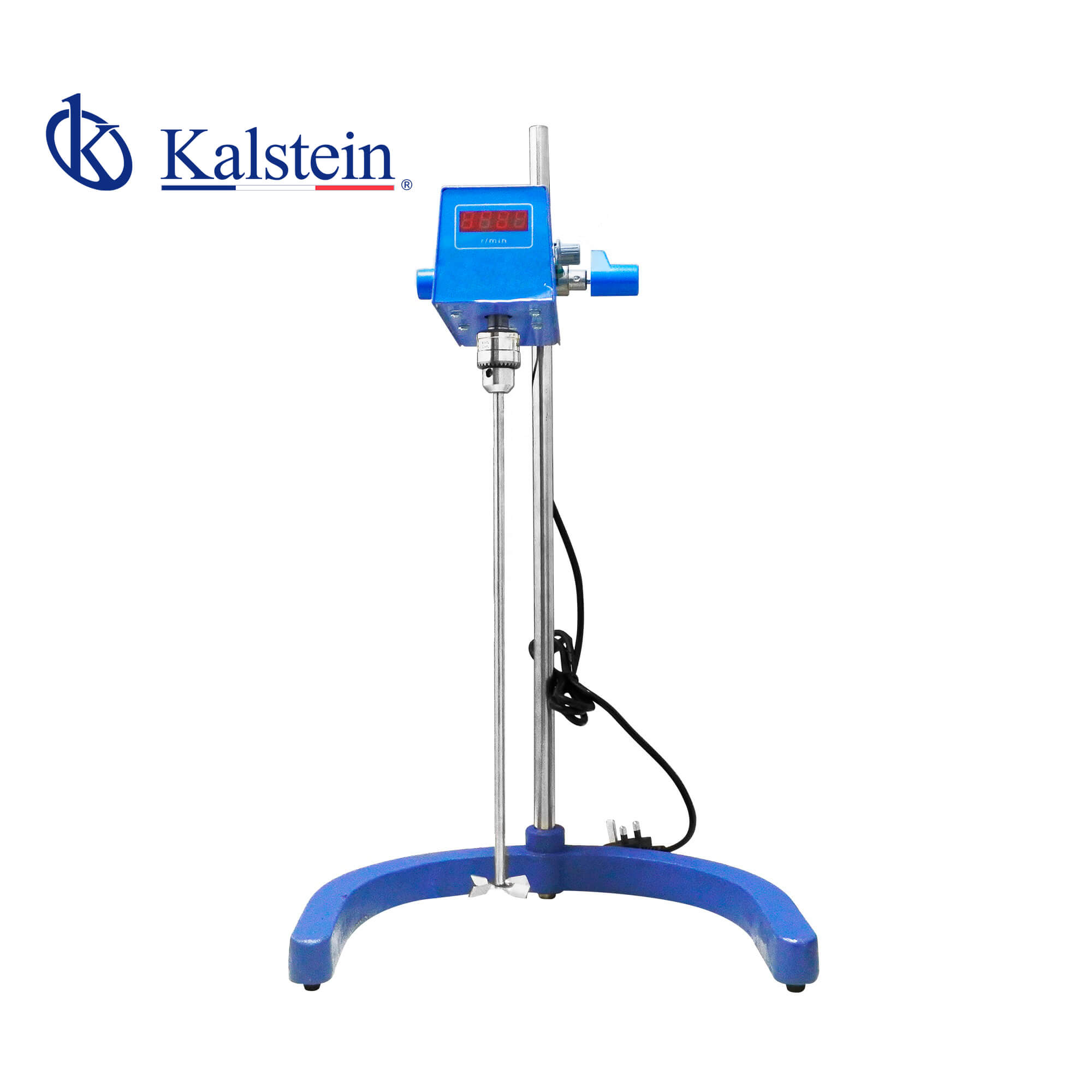
Interpreting Results and Reading Measurements with the YR02956 Homogenizer
The YR02956 Homogenizer is designed for precision and efficiency in various laboratory processes. This article focuses on the critical aspects of interpreting results and accurately reading measurements obtained from the YR02956. As laboratories increasingly rely on intricate measurements, understanding how to interpret these results becomes paramount for effective application.
Understanding the YR02956 Homogenizer
The YR02956 Homogenizer operates using a powerful DC brushless motor, ensuring stability and durability. Its compact design allows for easy use and maintenance, making it suitable for a wide range of applications. By understanding the technical specifications of the YR02956, users can better interpret the results it provides.
Technical Specifications of the YR02956
| Specification | Details |
|---|---|
| Model | YR02956 |
| Motor Power | 100 W |
| Motor Type | Brushless DC Motor |
| Torque | 450 m N.M |
| Voltage | 220V +/- 10% or 110V +/- 10% |
| Speed Range | 60-1500 RPM / 60-2000 RPM |
| Capacity | 50 ml - 50 L |
| Display Type | LED Digital Display |
| Rod Length | 350 mm |
| Rod Material | Stainless Steel |
| Dimensions (mm) | 390 x 93 x 160 |
| Gross Weight (KG) | 12.1 |
Measurement Units and Normal Ranges
The YR02956 provides measurements in various units, which are essential for interpreting results accurately. Understanding these units helps users apply the appropriate methods for data analysis.
Common measurement units include RPM for speed and degrees Celsius for temperature. Normal ranges can vary depending on the application, but knowing the expected ranges aids in identifying anomalies that may indicate an issue during the homogenization process.
Reading the Display and Printouts
The YR02956 features an intuitive LED digital display, showing critical parameters such as speed and temperature. Understanding how to read this display is vital for effective operation.
Printouts may also provide detailed records of the homogenization process. Users should familiarize themselves with the format of these printouts to ensure they can extract necessary information efficiently, such as the speed used during the operation or the temperature at which it was conducted.
Common Misinterpretations of Results
Users must be aware of common misinterpretations when reading results from the YR02956. For example, fluctuations in temperature readings may be mistaken for equipment malfunction rather than normal variance during operation. Understanding how environmental factors can influence measurements is crucial for accurate data interpretation.
Case Studies: Results Interpretation in Different Applications
Interpreting results can vary significantly across applications. In clinical labs, for instance, understanding the consistency of results can be critical for patient diagnostics. Conversely, in industrial settings, the focus might be more on throughput and efficiency.
Below are some case studies illustrating the importance of accurate interpretation in different sectors:
- Clinical Applications: Ensuring that homogenized samples meet stringent quality standards.
- Industrial Applications: Adapting results for production line efficiencies and quality control.
- Educational Settings: Teaching students the importance of precision in laboratory measurements.
Frequently Asked Questions
How can I ensure accurate temperature readings with the YR02956?
To ensure accurate temperature readings, regularly calibrate the device according to the manufacturer's guidelines and verify the readings against standard temperature references.
What are the implications of reading errors in measurement results?
Reading errors can lead to incorrect interpretations which may affect experimental outcomes, quality control standards, and overall effectiveness in research and production processes.
Can the results from the YR02956 be used for troubleshooting?
Yes, analyzing results from the YR02956 can help identify operational issues, such as inconsistencies in sample homogenization, which may indicate the need for maintenance or calibration.
What are the best practices for interpreting results from the YR02956?
Best practices include understanding the applicable measurement units, maintaining proper calibration, and considering environmental conditions that may affect results.
Are there specific training or guidelines for using the YR02956 effectively?
Yes, users are encouraged to undergo training that covers the operational principles of the YR02956, interpretation of its results, and best practices for maintenance and troubleshooting.
What should I do if the results seem inconsistent?
If results appear inconsistent, check for equipment calibration, ensure proper operation conditions, and review the homogenization protocols being followed.
How often should the YR02956 be calibrated?
Calibration frequency depends on usage intensity, but it is advisable to calibrate before critical experiments or regularly scheduled maintenance intervals to ensure accuracy.
If you are looking for a fusion of innovation and quality, you have come to the right place. At Kalstein, we offer you the luxury of exploring our exclusive catalog of laboratory equipment. We manufacture every device to the highest standards of excellence. Our intuitive and seamless online purchasing channels are designed for your convenience, securing the most competitive prices. Hesitate no longer — we bring science to life, it is time to become part of our community.