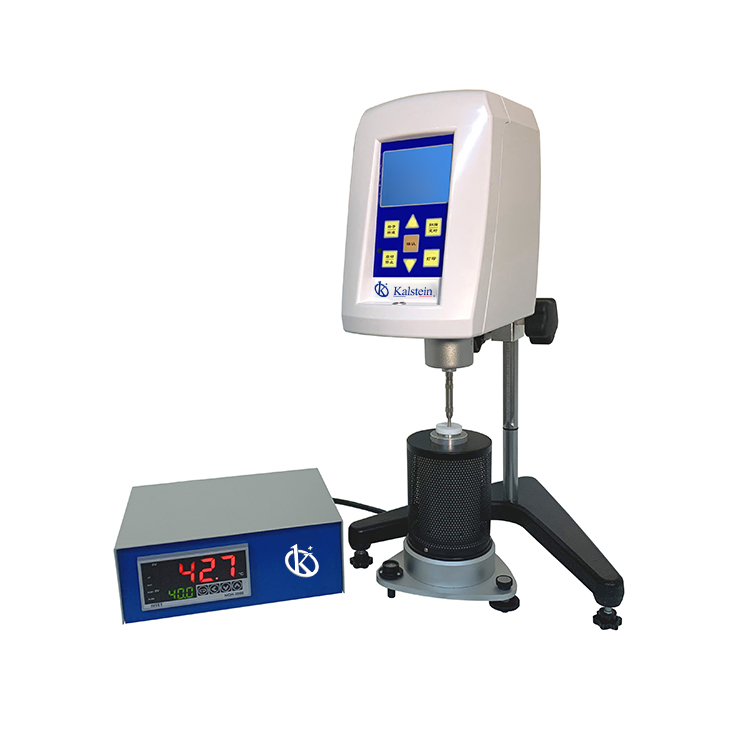
Interpreting Results and Reading Measurements with the YR05844 High Temperature Viscometer
The YR05844 High Temperature Viscometer is an essential tool in laboratories that require precise viscosity measurements across a wide temperature range. Understanding how to interpret results and read measurements accurately is critical for ensuring the reliability of your experiments. This article will guide you through the effective use of the YR05844, focusing on measurement interpretation, data accuracy, and practical applications.
Technical Overview of the YR05844
The YR05844 is designed with a coaxial central structure that allows for high accuracy and repeatability in viscosity measurements. It employs a small sample adapter, requiring only minimal sample volumes (typically 15-20 ml). This makes it ideal for laboratories where sample preservation is critical. It operates within a temperature range from room temperature plus 10°C to 250°C, with optional heating capabilities up to 300°C. The measurement data is displayed on an LCD screen, offering a precision of two decimal places without requiring secondary calculations.
| Technical Specifications | Details |
|---|---|
| Model | YR05844 |
| Display | Liquid Crystal Display |
| Speed (r/min) | 0.5 to 100 (18 speeds total) |
| Measuring Range (mPa.s) | 3-1.6M (varies by rotor) |
| Test Error | ±3% (Newtonian liquid) |
| Repetitive Error | ±1.5% (Newtonian liquid) |
| Temperature Control Range | Room temperature + 10℃ to 250℃ (300℃ optional) |
| Temperature Control Accuracy | 0.1℃ |
Understanding Viscosity Measurements
Viscosity is a measure of a fluid's resistance to flow. In the context of using the YR05844, it is essential to understand the different factors that influence viscosity readings, including shear rate and temperature. Non-Newtonian fluids, which exhibit varying viscosity according to the shear rate, require careful attention during measurement interpretation. For accurate results, it is crucial to keep both temperature and shear rate consistent across all measurements.
Interpreting Results: Units and Normal Ranges
The results from the YR05844 are typically expressed in milliPascal-seconds (mPa.s). When interpreting these values, one must consider the normal viscosity ranges for particular materials. For example, water at room temperature has a viscosity of approximately 1 mPa.s, while honey can range from 2,000 to 10,000 mPa.s at room temperature. Understanding these baseline values allows for better interpretation of results and helps identify any anomalies that may arise during testing.
Common Misinterpretations of Viscosity Data
One common misunderstanding is equating viscosity measurements directly with fluid temperature without considering the shear rate. For example, a fluid may appear to have a higher viscosity at certain shear rates, leading to erroneous conclusions about its behavior under different operational conditions. To mitigate this risk, always document the shear rates used during measurement and refer to standardized viscosity curves when analyzing your results.
Practical Applications Across Various Industries
The YR05844 is versatile and can be applied in various sectors, including industrial manufacturing, food and beverage, pharmaceuticals, and academic research. Each sector has specific protocols for using the viscometer. For instance, in the food industry, viscosity is crucial for quality control in products like sauces and beverages. Understanding how to apply viscosity measurement results in these contexts enhances the instrument's value.
Frequently Asked Questions
What is the significance of temperature control in the YR05844?
Temperature control is essential in viscosity measurements as it significantly affects fluid behavior. The YR05844 provides precise temperature control to ensure consistent and accurate readings, crucial for reliable data.
How can I ensure accurate viscosity measurements with the YR05844?
To ensure accurate measurements, maintain consistent shear rates and temperatures throughout your tests. Also, use the correct rotor based on the viscosity range of your sample to improve measurement accuracy.
What types of fluids can be measured with the YR05844?
The YR05844 is designed to measure a wide range of fluids, including Newtonian and non-Newtonian liquids. It is particularly effective for applications in industries such as food processing and pharmaceuticals.
How do I calibrate the YR05844?
Calibration involves setting the device against known viscosity standards. Follow the manufacturer’s guidelines and use certified viscosity standards to ensure the YR05844 is accurately calibrated for your measurements.
What maintenance is required for the YR05844?
Regular maintenance includes cleaning the sample adapter, verifying calibration, and checking for any damage or wear in the rotor and other components. Following a proper maintenance routine ensures longevity and reliable performance.
Can the YR05844 be used for high viscosity materials?
Yes, the YR05844 can measure high viscosity materials effectively, especially when the appropriate rotor is chosen for the specific viscosity range. Ensure that the measurement settings are adjusted accordingly for optimal accuracy.
Where can I find replacement parts for the YR05844?
Replacement parts and compatible accessories for the YR05844 can be sourced through official suppliers. It’s advisable to use genuine parts to maintain performance and reliability.
If you are looking for a fusion of innovation and quality, you have come to the right place. At Kalstein, we offer you the luxury of exploring our exclusive catalog of laboratory equipment. We manufacture every device to the highest standards of excellence. Our intuitive and seamless online purchasing channels are designed for your convenience, securing the most competitive prices. Hesitate no longer — we bring science to life, it is time to become part of our community.