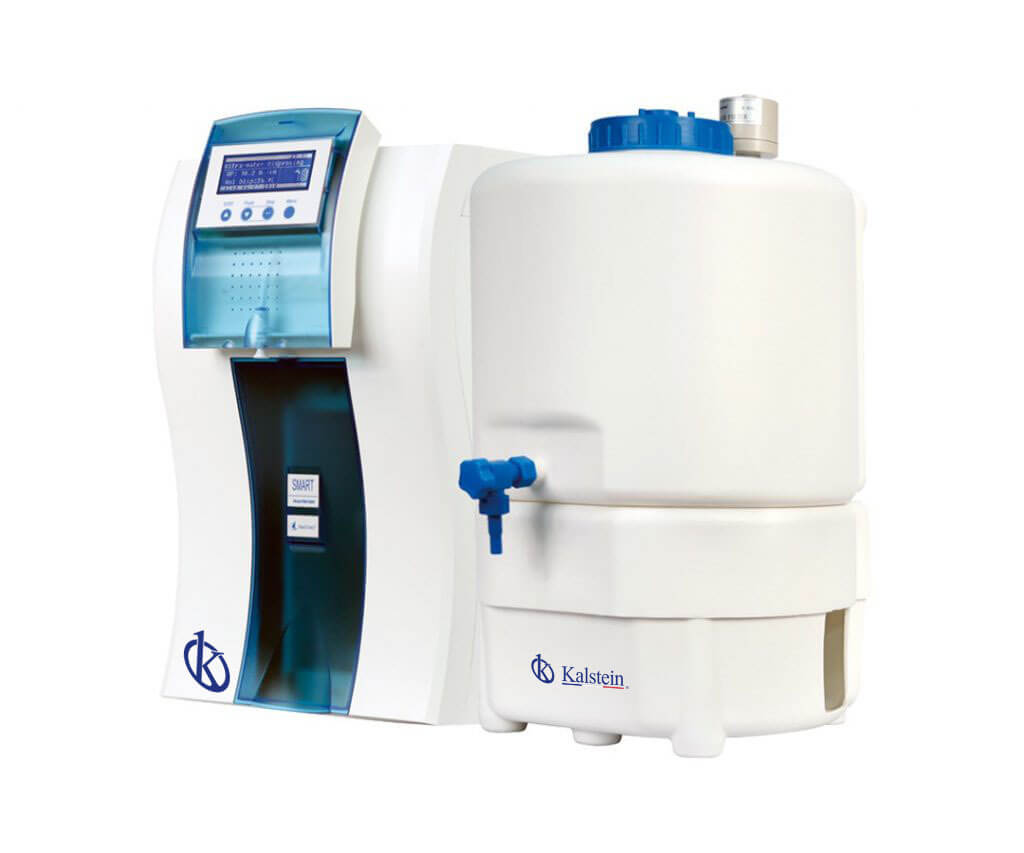
Interpreting Results and Reading Measurements with the YR53-1 Ultrapure Water System
The YR53-1 Ultrapure Water System stands out in laboratory settings due to its precision in producing ultrapure water and its integral monitoring systems that facilitate accurate measurement interpretation. This guide aims to delve deep into understanding how to effectively interpret measurements derived from the YR53-1, ensuring optimal use of the instrument in various applications.
Understanding the Functionality of YR53-1
The YR53-1 operates on advanced reverse osmosis technology, producing ultrapure water with exceptional resistivity and low TOC levels. Knowing how this system works helps users interpret results accurately. Water input undergoes filtration, with a high desalination rate of up to 99% and a TOC of less than 3 ppb, making it suitable for sensitive applications like spectroscopy and environmental monitoring.
Technical Specifications of the YR53-1
| Specification | Description |
|---|---|
| Model | YR53-1 |
| Input Water Source | Urban tap water, pressure: 0.15-0.5 MPa, temperature: 5-40°C |
| Water Flow Rate | 1.5-2 L/min |
| Water Production Rate | 15 L/H |
| Water Output | RO water and UP water |
| RO Water Quality | Deionization rate: 95-99% (with new RO membrane) |
| UP Water Quality | Resistivity 18.25MΩ.cm@25°C, TOC: <3ppb |
| Power Supply | 220V/50Hz; 48-72W |
| Dimensions | 31.2 x 47.5 x 47.5 cm |
Reading Measurements: Units and Normal Ranges
Understanding how to read measurements from the YR53-1 is crucial for maintaining quality standards in the laboratory. The primary metrics include resistivity, TOC, and microbiological counts. For instance, ultrapure water should have a resistivity of at least 18.25 MΩ.cm at 25°C. Regular monitoring of these parameters ensures that the water produced meets the necessary specifications for your applications.
TOC levels are another important metric, with acceptable values typically below 3 ppb for sensitive analytical techniques. Familiarity with common measurement units and their significance allows users to evaluate water quality effectively and anticipate any necessary adjustments or maintenance.
Common Misinterpretations of Results
Even experienced users may misinterpret readings. Two frequent misinterpretations involve confusing resistivity with conductivity. Since they are inversely related, ensure clarity on what each measurement indicates. Additionally, proper calibration of the measuring instruments is vital; discrepancies may arise from faulty equipment or improper handling.
Another common error is overlooking the influence of environmental factors such as temperature on measurements. For accurate results, ensure stable environmental conditions in the laboratory.
Applications of YR53-1 in Various Sectors
The YR53-1 is versatile, used in various sectors like clinical, industrial, food analysis, and educational laboratories. In clinical settings, it supplies ultrapure water essential for high-precision assays and diagnostics.
In industrial applications, the YR53-1 is crucial for maintaining quality control in manufacturing processes. Its ability to produce consistent water quality makes it an asset in any industrial laboratory. Similarly, food safety testing relies on ultrapure water for accurate microbial and chemical analyses.
For educational institutions, the YR53-1 provides students with hands-on experience in advanced water purification processes, enhancing their understanding of laboratory practices.
Frequently Asked Questions
How does the YR53-1 ensure accurate measurements of water purity?
The YR53-1 uses advanced filtration techniques and real-time monitoring to guarantee high water purity levels, ensuring reliable readings of resistivity and TOC.
What are the ideal operating conditions for the YR53-1?
The YR53-1 operates best with an input water pressure of 0.15-0.5 MPa and water temperatures between 5°C to 40°C.
What maintenance does the YR53-1 require to maintain reading accuracy?
Regular replacement of filters and calibration of measurement devices is necessary to maintain the accuracy of readings and the overall performance of the YR53-1.
Can the YR53-1 be integrated into existing laboratory systems?
Yes, the YR53-1 supports various integration options, including WIFI interfaces for remote monitoring and control.
What should I do if the YR53-1 displays an error code?
Refer to the user manual for specific error codes, which detail potential causes and troubleshooting steps to resolve the issue effectively.
How can I ensure the YR53-1 produces consistently high-quality water?
Regular monitoring of water quality parameters, timely maintenance, and adherence to recommended operating conditions are essential for consistent water quality.
Where can I find replacement parts and consumables for the YR53-1?
Replacement parts and consumables can typically be ordered directly from the manufacturer or approved suppliers to ensure compatibility and quality.
If you are looking for a fusion of innovation and quality, you have come to the right place. At Kalstein, we offer you the luxury of exploring our exclusive catalog of laboratory equipment. We manufacture every device to the highest standards of excellence. Our intuitive and seamless online purchasing channels are designed for your convenience, securing the most competitive prices. Hesitate no longer — we bring science to life, it is time to become part of our community.