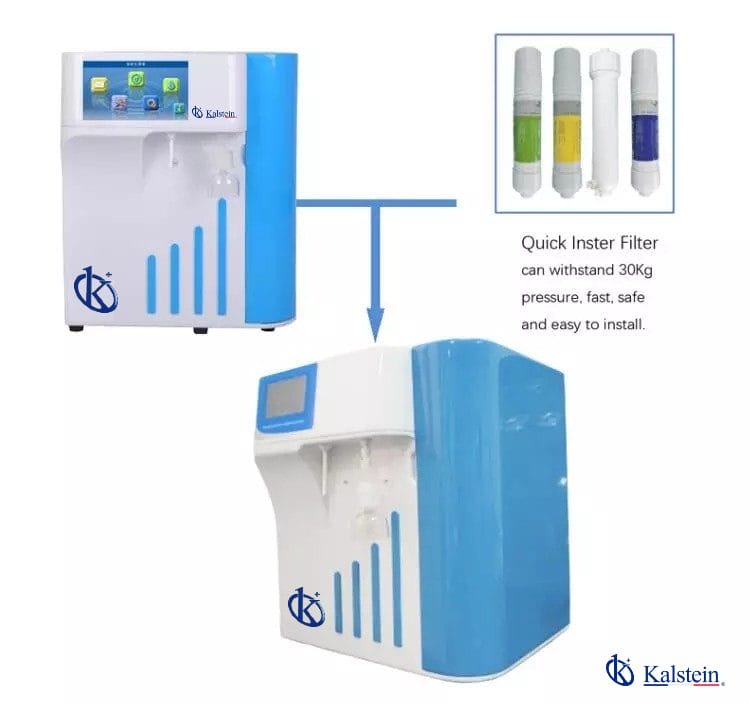
Interpreting Results and Reading Measurements from the YR56-1 Water Purification System
The YR56-1 Water Purification System is designed to provide ultra-pure water essential for various laboratory applications. Understanding how to interpret the results and read the measurements from this system is vital for ensuring optimal performance and accuracy in your experiments and processes.
Understanding the YR56-1 Water Purification System
The YR56-1 utilizes advanced purification technologies, including reverse osmosis, ion exchange, and distillation. This combination allows the system to reduce both organic and inorganic substances in the feed water, achieving high-quality output water. The precision in measurement and control of purity levels is crucial for applications in clinical, industrial, and educational settings.
Technical Specifications of the YR56-1
| Specification | Details |
|---|---|
| Model | YR56-1 |
| Input Water Source | RO or purified water |
| Water Flow Rate | 1-1.5 L/min |
| Machine Capacity | 60-90 L/H |
| Output Water Quality | DI Water: Conductivity <0.1 μS/cm (Type II ASTM) |
| UP Water: Resistivity 18.25MΩ.cm@25°C (Type I ASTM), TOC: <3 ppb, Particles (>0.22 um) <1/ml, Microorganisms <1 cfu/ml | |
| Pyrogens | <0.001 EU/ml |
Interpreting Measurements from the YR56-1
To effectively interpret measurements from the YR56-1, it is essential to understand the units used and the significance of each measurement. The output water quality is often defined by its conductivity and resistivity, which indicates the purity of the water:
- Conductivity: A lower conductivity value signifies better water purity. The YR56-1 is designed to achieve conductivity levels of less than 0.1 µS/cm, confirming the removal of ions and smaller impurities.
- Resistivity: Higher resistivity values indicate purer water. The output resistivity of 18.25 MΩ.cm@25°C is a hallmark of high-quality water and is crucial for sensitive applications.
- Total Organic Carbon (TOC): This metric measures the concentration of organic compounds in the water. A TOC level of less than 3 ppb is optimal for many laboratory settings.
Common Misinterpretations of Results
Operators may encounter various challenges when interpreting the results from the YR56-1. Here are some common misinterpretations:
- Confusing Conductivity with Purity: While low conductivity indicates low ion concentration, it does not account for organic particulate matter. Operators should consider TOC levels in conjunction with conductivity.
- Assuming Consistency in Output: Variations in water feed quality can lead to fluctuations in output measurements. Regular monitoring and recalibration are necessary.
- Overlooking Calibration Needs: Regular calibration is needed to ensure accurate readings. Neglecting this can result in erroneous data interpretation.
Sector-Specific Applications of the YR56-1
The YR56-1 Water Purification System finds various applications across different sectors. Each sector may require specific configurations or adjustments to optimize performance:
- Clinical Laboratories: In clinical settings, the YR56-1 is configured to deliver consistent high purity water for diagnostic tests and reagent preparation.
- Industrial Applications: Industrial labs utilize YR56-1 for water quality control in manufacturing processes, where impurities can directly affect product quality.
- Educational Institutions: In educational settings, the system is often used for teaching purposes, providing students with the opportunity to learn about water purification technologies.
Best Practices for Maintaining Purity and Accuracy
To ensure the YR56-1 operates at peak efficiency, operators should follow best practices:
- Regular Maintenance: Scheduled maintenance should be performed to clean filters, check membranes, and ensure all components are functioning correctly.
- Monitor Feed Water Quality: Regular testing of feed water quality is essential to anticipate changes that may affect output purity.
- Documentation: Keep detailed records of measurements, maintenance, and any anomalies observed during operation to facilitate troubleshooting and quality control.
Frequently Asked Questions
How do I calibrate the YR56-1 Water Purification System?
Calibration of the YR56-1 involves checking the output against standard reference solutions and adjusting settings to align with specified conductivity and resistivity levels. It is recommended to perform calibration every three months or whenever discrepancies are observed.
What are the common causes of inconsistent readings from the YR56-1?
Inconsistent readings can arise from several factors including fluctuations in feed water quality, faulty sensors, or improper calibration. Regular maintenance and monitoring of feed water parameters can help mitigate these issues.
What is the significance of Total Organic Carbon (TOC) in water purification?
Total Organic Carbon (TOC) is crucial for understanding the organic contaminant levels in the purified water. High TOC levels can adversely affect experimental results and indicate the presence of organic compounds that need to be removed.
Can the YR56-1 be used for industrial applications?
Yes, the YR56-1 is designed to meet the rigorous demands of industrial applications, providing high-quality purified water essential for processes that require precise water quality control.
What maintenance steps should I take for the YR56-1?
Regular maintenance includes checking and replacing filters as needed, cleaning the system components, and calibrating the system periodically to ensure accurate measurements and optimal water quality.
How often should I test the output water quality of the YR56-1?
It is advisable to test the output water quality daily or weekly depending on the application frequency to ensure that the system is providing water within the required specifications.
If you are looking for a fusion of innovation and quality, you have come to the right place. At Kalstein, we offer you the luxury of exploring our exclusive catalog of laboratory equipment. We manufacture every device to the highest standards of excellence. Our intuitive and seamless online purchasing channels are designed for your convenience, securing the most competitive prices. Hesitate no longer — we bring science to life, it is time to become part of our community.