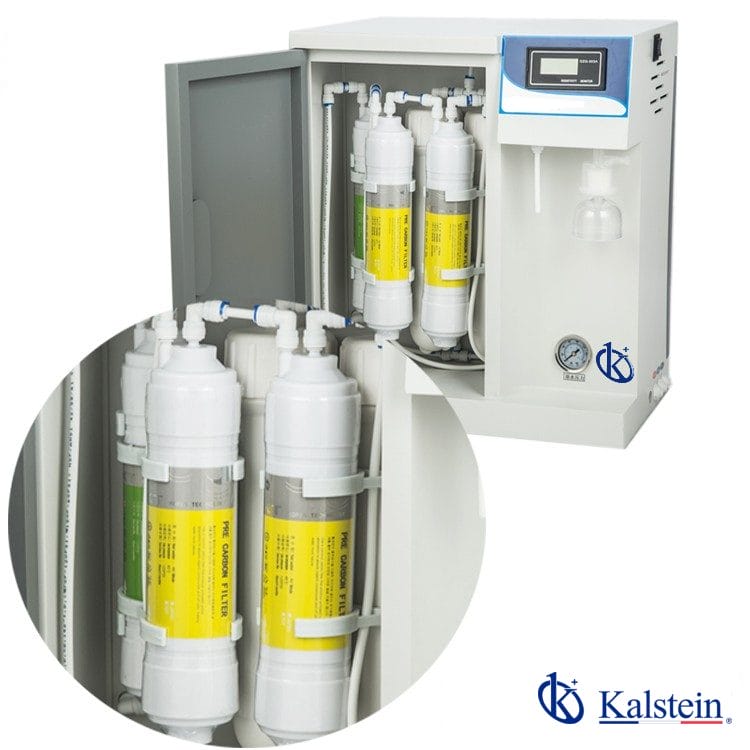
Interpreting Results and Reading Measurements with the YR57 Deionized Water System
The YR57 Deionized Water System is a state-of-the-art piece of laboratory equipment designed for producing ultra-pure water necessary for a wide range of applications, including biochemical analysis and microbial culture preparation. In this article, we will delve deeply into how to interpret results and read measurements from the YR57, ensuring that users can achieve accurate and reliable outcomes in their laboratory practices.
Overview of the YR57 Deionized Water System
The YR57 is engineered to replace traditional distilled water systems, offering numerous advantages such as higher purity levels and greater efficiency. It is vital to understand the specifications and features of the YR57 to effectively interpret its measurements and results.
Technical Specifications of the YR57
| Model | YR57 | YR57-1 | YR57-2 |
|---|---|---|---|
| Feed Water: Urban Tap Water | TDS < 200 ppm, 5-45°C, 1.0-3.5 Kg/cm² | ||
| Production: | 15 L/H | 30 L/H | 15 L/H |
| Inorganic Ion Rejection: | > 96% | ||
| Soluble Organic Matter Rejection: | > 99% (molecular weight > 100) | ||
| Particulate Matter Rejection Rate: | > 99% | ||
| Microbial Retention Rate: | > 99% | ||
| RO Water Quality: | TDS < 10 ppm * Total salt rejection above 95% | TDS reduction rate as high as 95-99%, Conductivity ≤ 1-5 μS/cm (Type III water) | |
| Power Supply: | 220V 50Hz, 72-240W | ||
| Standard Configuration: | Machine (with one set of consumable filters inside) + accessory package | ||
Understanding Measurement Units and Their Significance
To effectively interpret results from the YR57, one must understand the various units of measurement it employs. Common terms include TDS (Total Dissolved Solids), conductivity, and rejection rates. TDS is measured in parts per million (ppm), which indicates the concentration of dissolved solids in the water. Conductivity is expressed in microsiemens per centimeter (μS/cm) and is an indicator of water purity; lower values suggest higher purity. Additionally, rejection rates help assess how effectively the system filters out contaminants.
Common Misinterpretations of Results
Users may encounter common pitfalls when interpreting results from the YR57. For instance, a reading of TDS just below the threshold may lead some to conclude that the water is suitable for all applications when, in fact, stringent standards may still necessitate even lower TDS levels. Similarly, confusion can arise from conductivity measurements, where variations in temperature can affect readings. It is essential to calibrate expectations and confirm readings with the specific requirements of the intended application.
Best Practices for Reading the Display
The YR57 is equipped with a large LCD display that provides real-time data on filter status, water production, and maintenance alerts. To effectively read this display, users should familiarize themselves with the various indicators. For example, the display will show a visual status of water quality and operational conditions, including alarms for low water levels and required maintenance. Regularly monitoring these indicators will ensure that the YR57 operates efficiently and maintains the required water quality.
Case Studies: Effective Use in Different Applications
The YR57 is utilized across various sectors, including clinical labs, industry, and education. Each application may have specific requirements for interpreting results. For instance, in a clinical laboratory, water intended for diagnostic tests must meet stringent criteria for purity, requiring precise monitoring of TDS and conductivity levels. In industrial settings, the YR57 may be used for equipment cooling processes, where water quality directly impacts production efficiency. Each case necessitates a tailored approach to interpreting readings.
Technical Troubleshooting: Addressing Error Codes
In the event of error codes or inconsistent readings from the YR57, users should follow systematic troubleshooting steps. Common error codes might relate to water supply issues, filter status, or system malfunctions. By referencing the user manual and understanding the meaning of specific error codes, operators can swiftly diagnose and rectify issues, ensuring minimal downtime.
Frequently Asked Questions
What is the ideal TDS level for water produced by the YR57?
The ideal TDS level for water produced by the YR57 is below 10 ppm, which indicates high purity suitable for laboratory applications.
How often should the filters in the YR57 be replaced?
Filter replacement interval depends on usage; however, it is generally recommended to replace filters every 6 to 12 months to maintain optimal performance.
Can the YR57 produce water suitable for pharmaceutical use?
Yes, the YR57 can produce ultra-pure water that meets pharmaceutical standards, provided the system is maintained correctly.
What are common signs that the YR57 requires maintenance?
Common signs include error codes on the display, fluctuating TDS readings, and reduced water production rates, indicating that it is time for maintenance.
How does temperature affect the performance of the YR57?
Temperature can influence the conductivity and TDS readings; it is essential to operate the YR57 within the specified temperature range of 5-45°C for reliable results.
What should be done if the water quality from the YR57 declines?
If water quality declines, check the filter status and consider replacing consumables. Additionally, verify that the water supply meets the required specifications.
How can the YR57 be adapted for educational purposes?
The YR57 can be adapted for educational purposes by integrating it into laboratory courses focused on water quality testing and purification processes, allowing students hands-on experience.
Request a quote on Kalstein Plus for the YR57 Deionized Water System and ensure your laboratory is equipped with the best technology available.
If you are looking for a fusion of innovation and quality, you have come to the right place. At Kalstein, we offer you the luxury of exploring our exclusive catalog of laboratory equipment. We manufacture every device to the highest standards of excellence. Our intuitive and seamless online purchasing channels are designed for your convenience, securing the most competitive prices. Hesitate no longer — we bring science to life, it is time to become part of our community.