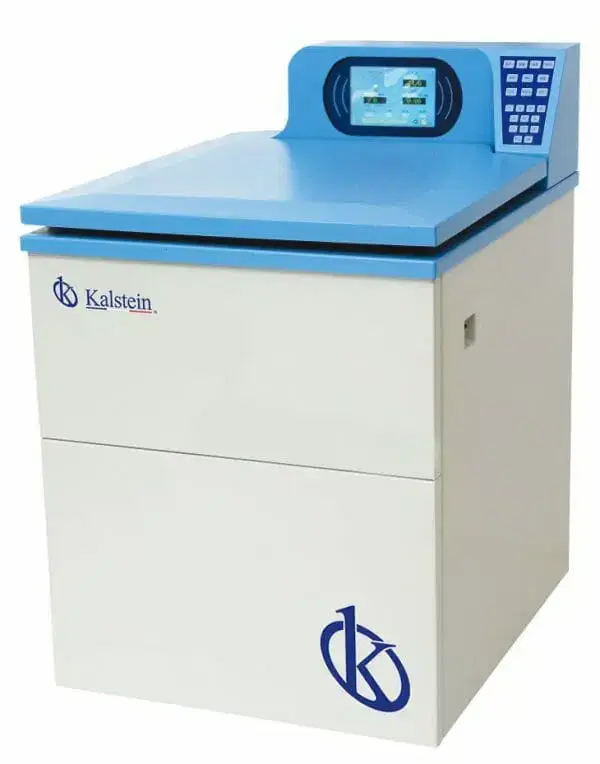
Interpreting Results and Reading Measurements with the YR0111-1-4 Centrifuge
The YR0111-1-4 centrifuge is an essential piece of equipment in laboratories, playing a crucial role in the separation of components in mixtures. Understanding how to effectively interpret the results and read measurements from this device is vital for achieving accurate outcomes in various applications. This article will provide comprehensive insights into the operational principles, technical specifications, and practical tips for utilizing the YR0111-1-4 effectively.
Understanding the Principle of Operation
The YR0111-1-4 centrifuge operates on the principle of centrifugal force. When a mixture is spun at high speeds, denser components move outward and settle at the bottom of the container, while lighter components remain suspended. This separation technique is crucial in clinical, industrial, and educational settings for sample preparation and analysis.
The centrifugal force generated can be calculated using the formula F = m * r * ω², where F is the force, m is the mass of the sample, r is the radius, and ω is the angular velocity. Understanding this principle helps operators optimize the centrifuge settings for different applications.
Technical Specifications of the YR0111-1-4
| Model | Brand | Category | Price USD | Gross Weight | Dimensions |
|---|---|---|---|---|---|
| YR0111-1-4 | kalstein | Centrifuges | $1291.00 | 11 kg | x x |
Interpreting Measurement Results
When using the YR0111-1-4 centrifuge, it is important to learn how to interpret the results from the measurements accurately. Measurements are usually displayed in various units, depending on the application, such as RPM (revolutions per minute) for speed and g-force for the centrifugal force experienced by the samples.
Common misinterpretations can arise due to unfamiliarity with the display. It is essential to refer to the user manual for insights on normal ranges and error bars associated with specific tests. Additionally, performing calibration checks regularly ensures that the measurements remain accurate over time.
Common Measurement Errors and Their Solutions
Operators may encounter various issues when interpreting data from the YR0111-1-4. Here are some common errors and solutions:
| Error | Possible Causes | Solutions |
|---|---|---|
| Inconsistent Readings | Improper balancing of samples | Ensure all tubes are equally filled and balanced |
| Unexpected Error Codes | Power supply issues | Check and secure the power connections |
| Samples Not Separating | Insufficient speed or time | Adjust the speed and duration according to the sample type |
Site Requirements for Optimal Operation
To achieve the best performance from the YR0111-1-4 centrifuge, specific environmental conditions must be maintained. Factors such as temperature, humidity, and ventilation play a crucial role in the accurate functioning of the device.
- Temperature Range: 15°C to 30°C
- Humidity: 20% to 80%
- Ventilation: Adequate airflow to prevent overheating
Before installation, conduct a site-preparation checklist to ensure all conditions meet the required standards.
Sector Adaptations for the YR0111-1-4
The YR0111-1-4 centrifuge is versatile and can be adapted for various sectors, including:
Clinical Applications
In clinical laboratories, the YR0111-1-4 is primarily used for blood sample separation, allowing for the extraction of serum and plasma for further analysis.
Industrial Use
In industrial settings, it is often used to separate particulates from liquids in manufacturing processes.
Educational Settings
Educational institutions utilize the YR0111-1-4 for teaching fundamental principles of centrifugation and sample analysis.
Frequently Asked Questions
What types of samples can the YR0111-1-4 centrifuge handle?
The YR0111-1-4 centrifuge can handle a variety of samples, including biological fluids, chemical solutions, and particulate suspensions, making it suitable for diverse laboratory applications.
How can I ensure accurate measurements with the YR0111-1-4?
To ensure accurate measurements, regularly calibrate the centrifuge, balance samples properly, and follow the manufacturer's guidelines for operation.
What troubleshooting steps should I take for error codes on the YR0111-1-4?
Refer to the user manual for a list of error codes. Common troubleshooting steps include checking power connections, ensuring proper sample balancing, and resetting the device.
How often should maintenance be performed on the YR0111-1-4?
Regular maintenance should be performed at least once every six months or as needed, depending on usage. This includes cleaning, checking for wear and tear, and ensuring all parts are functioning correctly.
Can the YR0111-1-4 be used for both clinical and industrial purposes?
Yes, the YR0111-1-4 is designed for versatility and can be effectively utilized in both clinical and industrial laboratories for various applications.
If you are looking for a fusion of innovation and quality, you have come to the right place. At Kalstein, we offer you the luxury of exploring our exclusive catalog of laboratory equipment. We manufacture every device to the highest standards of excellence. Our intuitive and seamless online purchasing channels are designed for your convenience, securing the most competitive prices. Hesitate no longer — we bring science to life, it is time to become part of our community.