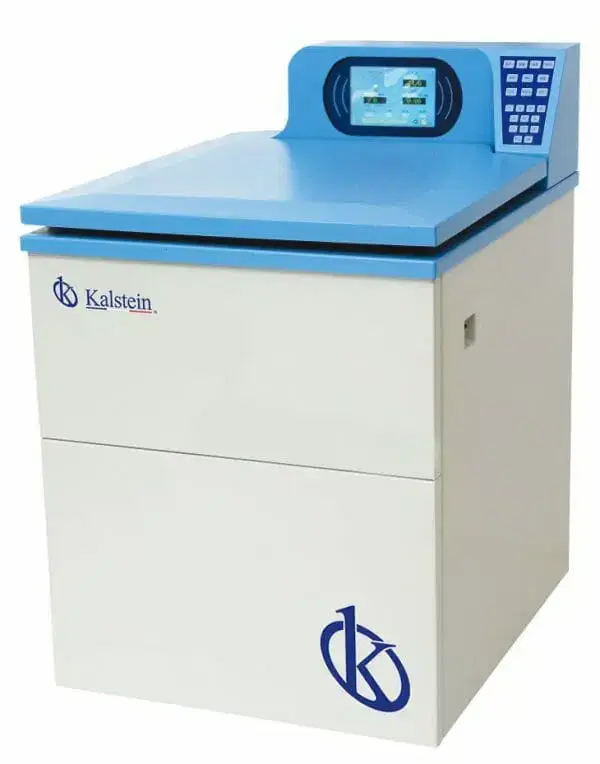
Interpreting Results and Reading Measurements with the YR0111-3 Centrifuge
The YR0111-3 High-Speed Refrigerated Centrifuge is a critical tool in laboratories requiring precise separation of complex samples. With a maximum speed of 22,000 rpm and RCF reaching up to 52,000 x g, understanding how to interpret the results and measurements generated by this centrifuge is essential for effective laboratory operations. This article will delve into the interpretation of results from the YR0111-3, covering crucial aspects such as understanding centrifugation principles, reading the data displayed, and addressing common misinterpretations.
Understanding Centrifugation Principles
Centrifugation is the process by which particles in a liquid are separated based on their size, shape, and density through the application of centrifugal force. The YR0111-3 utilizes a high-speed motor to achieve significant acceleration, which results in high relative centrifugal forces (RCF). The RCF is expressed in multiples of gravitational force (g), and the formula to calculate RCF is:
RCF = (1.118 × r × (RPM/1000)²)
Where r is the radius in centimeters from the axis of rotation to the sample, and RPM is the revolutions per minute. Understanding this principle is fundamental to interpreting the results accurately since different particles will sediment at varying rates depending on their physical properties.
Technical Specifications of the YR0111-3
| Specification | Detail |
|---|---|
| Model | YR0111-3 |
| Maximum Speed | 22,000 RPM |
| Maximum RCF | 52,000 x g |
| Maximum Capacity | 500 ml x 6 |
| Speed Control Accuracy | ± 50 r/min |
| Temperature Range | -20 ~ +40°C |
| Temperature Accuracy | ±1°C |
| Compressor Unit | Tecumseh French Compressor, R404a |
| Noise Level | <65db (A) |
| Power Supply | 110V / 60Hz, 220V/50Hz |
| Dimensions (L x W x H) | 710 x 840 x 1,140 mm |
| Net Weight | 280 Kg |
Reading the Data Displayed
The YR0111-3 features an intuitive LCD or LED display that allows users to monitor real-time adjustments to RPM and RCF. When interpreting the displayed results, it’s essential to understand the units and what they indicate:
- RPM (Revolutions Per Minute): Indicates the speed of rotation, affecting the sedimentation of particles.
- RCF (Relative Centrifugal Force): Indicates the force acting on the sample during centrifugation, vital for assessing separation efficiency.
- Temperature: The set temperature can impact sample integrity, crucial for sensitive biological samples.
Errors in reading these values can lead to significant issues in sample preparation or analysis. Hence, it’s advised to regularly verify that the displayed values align with expected results based on the type of samples being processed.
Common Misinterpretations of Results
Even experienced users can misinterpret data from the YR0111-3. Here are some common pitfalls:
- Assuming Higher RPM Equals Better Separation: While higher RPMs can increase RCF, the effectiveness of separation also depends on sample type.
- Not Considering Temperature Effects: Higher or lower than optimal temperatures can affect results, especially for biological samples.
- Ignoring Calibration Needs: Regular calibration ensures accurate readings; neglecting this can lead to systematic errors.
Best Practices for Accurate Measurement Interpretation
To ensure accurate interpretations of results from the YR0111-3, adhere to these best practices:
- Regular Calibration: Ensure periodic calibration of the centrifuge to maintain accuracy.
- Use Appropriate Sample Volumes: Adhering to the maximum capacity of the centrifuge is crucial for optimal performance.
- Monitor Environmental Conditions: Ensure temperature and humidity levels are optimal for the samples being used.
- Document Results: Keep a log of results to identify patterns and any discrepancies over time.
Frequently Asked Questions
How can I ensure proper calibration of the YR0111-3?
To ensure proper calibration of the YR0111-3, follow the manufacturer's guidelines for maintenance, including regular checks of RPM and RCF using calibrated instruments. It's advisable to perform this calibration periodically and before critical experiments to ensure accuracy in results.
What is the best way to read the results on the YR0111-3 display?
The best way to read the results on the YR0111-3 display is to familiarize yourself with the units displayed — RPM, RCF, and temperature. Always cross-reference these values with standard values for the samples you are analyzing to ensure accurate interpretations.
What factors can affect the accuracy of results in the YR0111-3?
Several factors can affect the accuracy of results in the YR0111-3, including sample volume, temperature settings, and the condition of the rotor. Always ensure that you are using the appropriate settings and that the centrifuge is well-maintained to achieve the best results.
Can I use the YR0111-3 for different types of samples?
Yes, the YR0111-3 is versatile and can be used for a variety of sample types including biological, chemical, and industrial samples. However, ensure that the settings are optimized for the specific sample type to achieve the best results.
What are the safety features included in the YR0111-3?
The YR0111-3 includes several advanced safety features such as automatic locking mechanisms, over-speed protection, and temperature control systems. These features help ensure user safety and the integrity of the samples being processed.
How do I prevent common errors while using the YR0111-3?
To prevent common errors while using the YR0111-3, ensure that you regularly calibrate the device, accurately set the required RPM and RCF for your samples, and monitor environmental conditions. Training users on proper operational procedures also reduces the risk of mistakes.
If you are looking for a fusion of innovation and quality, you have come to the right place. At Kalstein, we offer you the luxury of exploring our exclusive catalog of laboratory equipment. We manufacture every device to the highest standards of excellence. Our intuitive and seamless online purchasing channels are designed for your convenience, securing the most competitive prices. Hesitate no longer — we bring science to life, it is time to become part of our community.