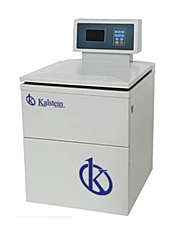
Interpreting Results and Reading Measurements with the YR0112-1-2 Angle Rotor
The YR0112-1-2 angle rotor is a vital component in laboratory centrifuges, designed for precision and accuracy in separating samples based on density. Understanding how to interpret results and read measurements accurately is crucial for effective laboratory operations. This guide dives deeply into the functionalities of the YR0112-1-2, providing detailed insights into its technical specifications, usage scenarios, and troubleshooting tips.
Understanding the YR0112-1-2 Angle Rotor
The YR0112-1-2 angle rotor is engineered to achieve optimal performance in a variety of applications, from clinical to industrial settings. It operates on the principle of centrifugal force, utilizing the angle design to enhance the separation efficiency of samples, making it a preferred choice for laboratory technicians.
This rotor accommodates 5ml samples, allowing for ten individual tubes to be processed simultaneously. This capacity not only increases throughput but also maintains sample integrity due to efficient and uniform spinning.
Technical Specifications of the YR0112-1-2
| Model | Brand | Category | Price USD | Weight (kg) | Dimensions (cm) |
|---|---|---|---|---|---|
| YR0112-1-2 | kalstein | Centrifuges | $522.00 | 3 | N/A |
Interpreting Measurement Results from the YR0112-1-2
Interpreting the results from the YR0112-1-2 requires understanding the output format and the significance of each measurement. The results are often displayed in units such as RPM (Revolutions Per Minute) or RCF (Relative Centrifugal Force), which are crucial for ensuring that the samples are processed correctly.
Normal ranges vary by application, so it is important to reference standard operating procedures for specific types of assays. Additionally, error bars may indicate the precision of measurements, and recognizing how to read these accurately can prevent misinterpretations of data.
Common Misinterpretations of Measurement Data
Laboratory technicians may encounter various pitfalls when interpreting data from the YR0112-1-2. For instance, assuming that higher RPM always correlates with better results can lead to compromised samples. Instead, it is vital to consider the nature of the samples and the intended outcome of the centrifugation process.
Another common misinterpretation is overlooking the calibration status of the rotor. Regular calibration ensures that measurement outputs remain reliable, and neglecting this can result in skewed data interpretation.
Troubleshooting Measurement Issues
When measurement discrepancies arise, technicians should follow a systematic troubleshooting approach. Here are some common symptoms and their potential causes:
| Symptom | Probable Cause | Solution |
|---|---|---|
| Error code E-03 | Overloading of the rotor | Reduce the number of samples or check the weight of the tubes used. |
| Inconsistent readings | Improper calibration | Re-calibrate the rotor following the manufacturer's guidelines. |
| Equipment does not power on | Power supply issues | Check the power cord and ensure it is securely connected. |
Best Practices for Reading Results
To achieve accurate readings, it is essential to follow best practices while using the YR0112-1-2. Always ensure that samples are balanced within the rotor to prevent vibrations that could affect measurements. Additionally, maintain clear records of all measurements, including any anomalies, which can be valuable for future reference.
Furthermore, ensure that the rotor is cleaned and maintained properly after each use to prolong its lifespan and ensure the integrity of subsequent tests. Regular maintenance checks should include inspecting for cracks or signs of wear that could compromise performance.
Frequently Asked Questions
What types of samples can be processed using the YR0112-1-2?
The YR0112-1-2 can process a variety of samples including blood, serum, and other biological fluids, as well as certain industrial samples, depending on their density and composition.
How do I calibrate the YR0112-1-2 rotor?
Calibration of the YR0112-1-2 rotor should be performed according to the manufacturer’s guidelines, typically involving setting a reference standard and adjusting until the output aligns with expected measurement values.
Can the YR0112-1-2 be used in a clinical lab?
Yes, the YR0112-1-2 is ideal for clinical laboratories, where accuracy and reliability in sample separation are critical for diagnostics and research.
What maintenance is required for the YR0112-1-2?
Regular maintenance includes cleaning the rotor after use, checking for wear and tear, and ensuring that all components are functioning properly to maintain optimal performance.
How can I avoid errors when using the YR0112-1-2?
To avoid errors, always ensure proper sample loading, maintain regular calibration, follow operational procedures diligently, and document all measurements meticulously.
What should I do if I encounter an error code?
Refer to the user manual for troubleshooting steps specific to the error code displayed. Generally, addressing common issues such as overloading or power supply concerns can resolve most errors.
How can I request a quote for the YR0112-1-2?
You can request a quote by contacting our sales team directly or filling out a form on our website to receive personalized assistance.
If you are looking for a fusion of innovation and quality, you have come to the right place. At Kalstein, we offer you the luxury of exploring our exclusive catalog of laboratory equipment. We manufacture every device to the highest standards of excellence. Our intuitive and seamless online purchasing channels are designed for your convenience, securing the most competitive prices. Hesitate no longer — we bring science to life, it is time to become part of our community.