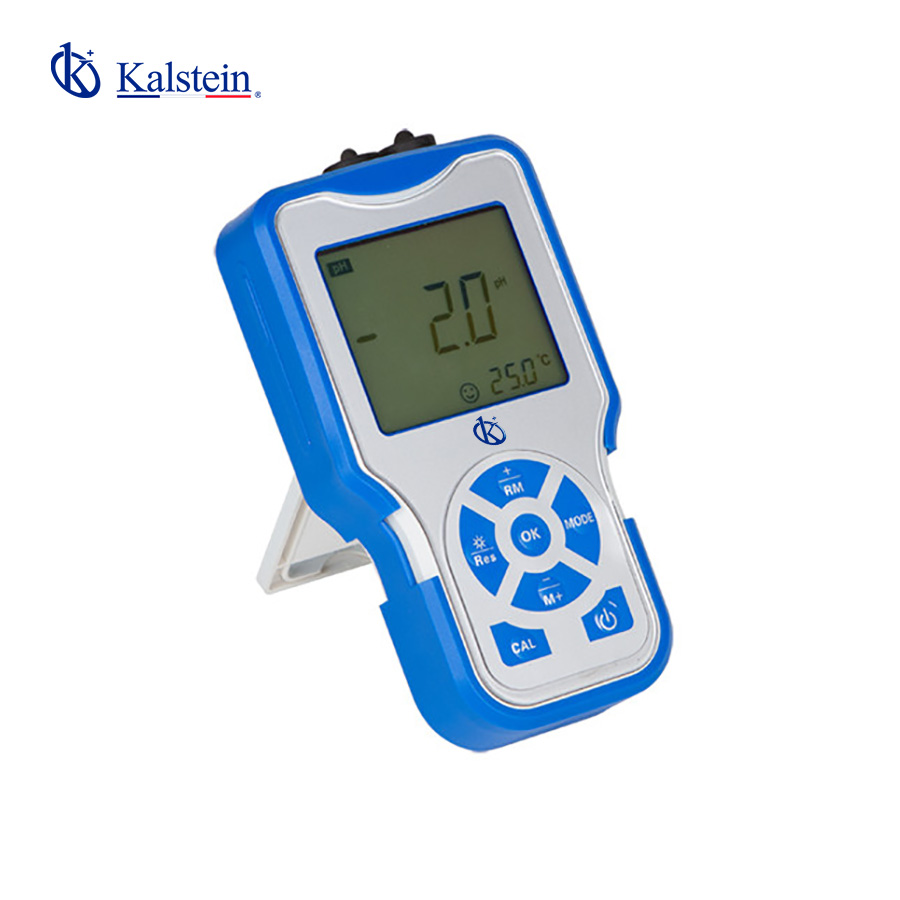
Interpreting Results and Reading Measurements with the YR01816 Portable pH/Ion Meter
The YR01816 portable pH/ion meter is an advanced instrument designed for accurate measurement of pH levels, ion concentrations, and oxidation-reduction potential (ORP). This article focuses on the essential aspect of interpreting results and understanding measurements obtained from the YR01816. Grasping how to read and analyze the data effectively is crucial for delivering precise results in various applications.
Understanding the Measurement Principles of the YR01816
The YR01816 operates on the principles of electrochemical analysis, utilizing electrodes sensitive to pH and ion concentrations. The device's pH measurement is based on the Nernst equation, which correlates the voltage generated by the electrode to the concentration of hydrogen ions in a solution. The ion mode extends this functionality, allowing for the measurement of specific ions with adjustable calibration points, thereby enhancing accuracy.
The YR01816's multi-point calibration (2 to 5 points) ensures that readings are as precise as possible. For reliable results, it is critical to understand how changes in temperature, ionic strength, and other factors can affect the measurements.
Technical Specifications of the YR01816
| Specification | Details |
|---|---|
| Model | YR01816 |
| pH Range | -2.000 to 20.000 pH |
| pH Accuracy | ± 0.002 pH |
| ION Concentration Range | 0.001 to 19999 (depending on ISE range) |
| ION Accuracy | ± 0.5% FS (monovalent), ± 1% FS (divalent) |
| ORP Range | ± 1999.9 mV |
| Temperature Compensation | 0 to 100 °C / 32 to 212 °F |
| Memory Capacity | Stores up to 500 data sets |
Interpreting Measurement Results
When using the YR01816, understanding the results displayed is vital. For pH measurements, the scale ranges from 0 to 14, where values below 7 indicate acidic solutions, and values above 7 indicate basic solutions. A pH of 7 is considered neutral.
For ion concentrations, results are typically displayed in units such as PPM (parts per million) or mg/L (milligrams per liter). It is essential to familiarize oneself with the normal concentration ranges for the specific ions being measured, as this varies widely depending on the application and environment.
Common Misinterpretations of Results
Users may misinterpret the YR01816 readings due to various factors including calibration errors, improper electrode maintenance, or environmental conditions. For example, readings can be affected by high ionic strength in the sample, leading to inaccurate ion concentration values.
A common mistake is overlooking the importance of calibration before measurements. As the YR01816 allows for multiple calibration points, ensuring proper setup before starting measurements can prevent significant errors. Another factor is understanding the influence of temperature on measurements; failing to account for temperature may lead to misinterpretation of results.
Examples of Result Interpretation
Let’s consider a practical example: measuring the pH of a solution used in a food processing plant. If the displayed pH is 4.5, this indicates an acidic condition, which may be within acceptable limits for certain food products but could pose risks for others. Regular checks against standard acceptable ranges for food safety are essential.
In another scenario, if measuring ion concentration in a wastewater treatment facility, a reading of 3000 mg/L for a specific ion might indicate potential over-application of chemicals, prompting further investigation and corrective action.
Environmental Considerations for Accurate Measurements
When utilizing the YR01816, environmental factors such as temperature and humidity can significantly impact accuracy. The device compensates for temperature automatically, but users should be aware of ambient conditions. Avoiding drafts and direct sunlight during measurements is advisable to maintain consistency.
Furthermore, ensure that the device is calibrated at the same temperature as the samples being measured. This aligns the measurements with the ideal operating conditions and enhances accuracy.
Frequently Asked Questions
How do I calibrate the YR01816 pH meter for accurate readings?
Calibrating the YR01816 involves using standard buffer solutions. You should select the calibration option on the device, immerse the electrode in the buffer, and follow the on-screen instructions. It's vital to calibrate using at least two points for optimal accuracy.
What are the normal pH ranges for different applications?
Normal pH ranges vary widely depending on the application. For drinking water, pH should typically be between 6.5 to 8.5. In agriculture, soil pH can range from 5.5 to 7.0 for optimal crop yield, while food processing may require specific pH levels depending on the product.
What should I do if the YR01816 displays an error code?
Error codes typically indicate calibration issues or electrode problems. Refer to the user manual for specific error codes; common troubleshooting steps include recalibrating the meter or checking the electrode condition.
How do I maintain the electrode on the YR01816 for consistent performance?
To maintain the electrode, store it in a proper storage solution when not in use, and clean it regularly according to the manufacturer's instructions. Proper storage helps prevent drying and contamination.
Can the YR01816 be used in real-time monitoring applications?
Yes, the YR01816 can be employed in real-time monitoring applications, particularly in water treatment facilities, where continuous pH and ion concentration measurements are crucial for operational efficiency.
What are the critical steps for interpreting ion concentration results?
Critical steps include understanding the units of measurement, being aware of the specific ion's normal ranges, and considering any potential interference from other ions present in the solution.
Conclusion
Effectively interpreting results from the YR01816 portable pH/ion meter is paramount to achieving reliable measurements in various applications. Regular calibration, awareness of environmental factors, and understanding result implications are essential for maximizing the device's capabilities.
To explore our range of laboratory equipment, feel free to request a quote on Kalstein Plus. If you are looking for a fusion of innovation and quality, you have come to the right place. At Kalstein, we offer you the luxury of exploring our exclusive catalog of laboratory equipment. We manufacture every device to the highest standards of excellence. Our intuitive and seamless online purchasing channels are designed for your convenience, securing the most competitive prices. Hesitate no longer — we bring science to life, it is time to become part of our community.