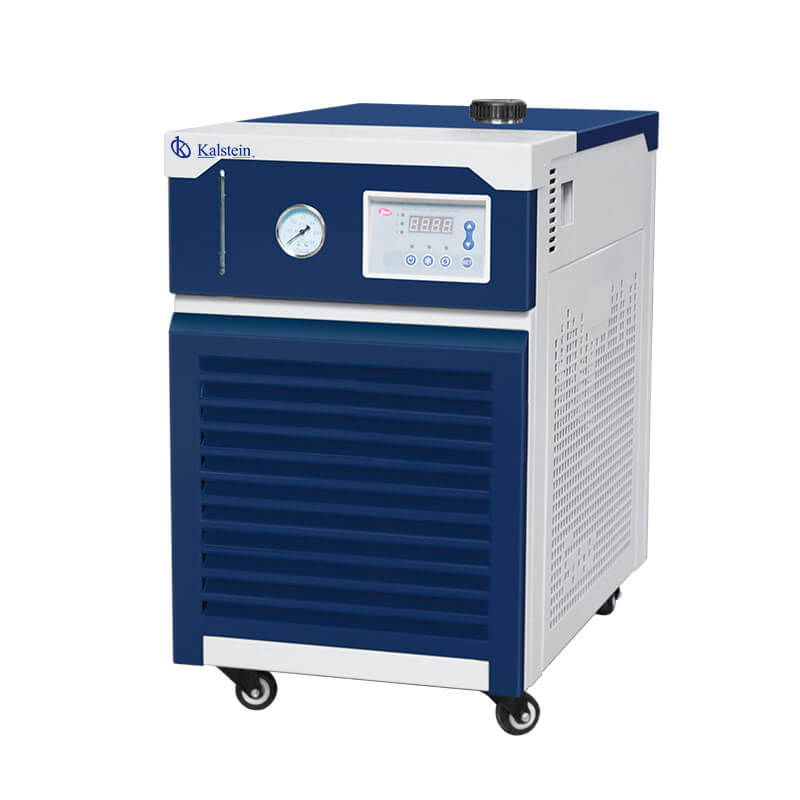
Interpreting Results and Reading Measurements with the YR02297 Recirculation Chiller
The YR02297 Recirculation Chiller is designed to provide consistent low-temperature conditions for various scientific applications. Understanding how to interpret the results and readings from this equipment is crucial for ensuring accuracy in experiments and processes. This article focuses on the principles of operation, interpreting results, and the specific features of the YR02297 that aid in accurate measurements.
Principles of Operation of the YR02297
The YR02297 operates based on the principles of thermodynamics, specifically the refrigeration cycle. It utilizes a compressor, condenser, expansion valve, and evaporator to maintain low temperatures. The refrigerant absorbs heat from the fluid being cooled, effectively lowering its temperature.
This process is vital in laboratory settings where precise temperature conditions are needed for chemical reactions, biological assays, and physical experiments. Understanding this principle helps users comprehend how fluctuations in temperature can affect measurement results and how to maintain stability in various applications.
Technical Specifications of the YR02297
| Feature | Specification |
|---|---|
| Model | YR02297 |
| Working Temperature Range | -30 to 5°C |
| Temperature Stability | ± 2°C |
| Cooling Capacity at 0°C | 1250 W |
| Power Supply | 220-240V~, 50/60Hz |
| Cooling Water Volume | 10 L |
| Net Weight | 70 kg |
Interpreting Measurement Results from the YR02297
Accurate interpretation of results from the YR02297 is essential for reliable scientific inquiry. The chiller provides readings on temperature and pressure that must be understood in context. For instance, the displayed temperature may vary slightly due to the design’s inherent stability range. Understanding how to read these fluctuations and their implications on experimental outcomes is key.
Users should be aware of common misinterpretations, such as assuming the readings are static when in fact they can vary based on ambient conditions and the specific use case. Regular calibration and verification against standard conditions can help mitigate errors.
Common Measurement Challenges
Operators often face challenges when interpreting results from the YR02297. Factors like ambient temperature, fluid type, and external vibrations can influence readings. Additionally, understanding the role of the chiller in different applications—such as its use in medical labs versus chemical processes—can highlight the importance of context in data interpretation.
To navigate these challenges, users are encouraged to establish baseline measurements and track performance over time. This can help identify trends and deviations that may indicate underlying issues with the equipment or the experimental procedure.
Site Requirements and Environmental Conditions
To ensure optimal performance of the YR02297, specific site conditions must be met. The environment should be stable, with considerations for temperature, humidity, and vibration control. A dedicated checklist for site preparation helps maintain these conditions:
| Requirement | Condition |
|---|---|
| Room Temperature | 20-25°C |
| Humidity Levels | Less than 70% |
| Vibration Control | Minimized |
| Power Supply Stability | 220-240V |
Adaptations for Different Sectors
The YR02297 Recirculation Chiller is versatile and can be adapted for various sectors, including clinical, industrial, food processing, and educational settings. Each application may require different configurations and protocols for optimal performance:
- Clinical: Utilized for maintaining temperature-sensitive samples in medical labs.
- Industrial: Applied in chemical processes where consistent cooling is critical.
- Food Processing: Ensures safe temperature control during food testing and preservation.
- Education: Used in university labs for experiments requiring precise temperature controls.
Frequently Asked Questions
What is the optimal temperature range for the YR02297?
The optimal working temperature range for the YR02297 is between -30 to 5°C, ensuring that experimental conditions remain stable for various applications.
How does ambient temperature affect the YR02297 readings?
Ambient temperature can influence the chiller's efficiency and the accuracy of its readings. High ambient temperatures may lead to less reliable performance and affect the readings displayed.
What maintenance procedures should be performed on the YR02297?
Regular maintenance involves checking the refrigerant levels, ensuring the cooling system is clean, and verifying that all electrical connections are secure. Users should also replace filters as needed.
Can the YR02297 be used for biological applications?
Yes, the YR02297 is suitable for biological applications where consistent low temperatures are required to preserve samples and ensure accurate results.
What should I do if the YR02297 displays an error code?
Consult the user manual for specific error codes and troubleshooting steps. Common issues may involve power supply problems or cooling system malfunctions that need addressing.
How do I ensure accurate measurements with the YR02297?
To ensure accuracy, regularly calibrate the equipment, maintain stable ambient conditions, and follow best practices for using the chiller in your specific application.
Request a Quote
If you are looking for a fusion of innovation and quality, you have come to the right place. At Kalstein, we offer you the luxury of exploring our exclusive catalog of laboratory equipment. We manufacture every device to the highest standards of excellence. Our intuitive and seamless online purchasing channels are designed for your convenience, securing the most competitive prices. Hesitate no longer — we bring science to life, it is time to become part of our community.