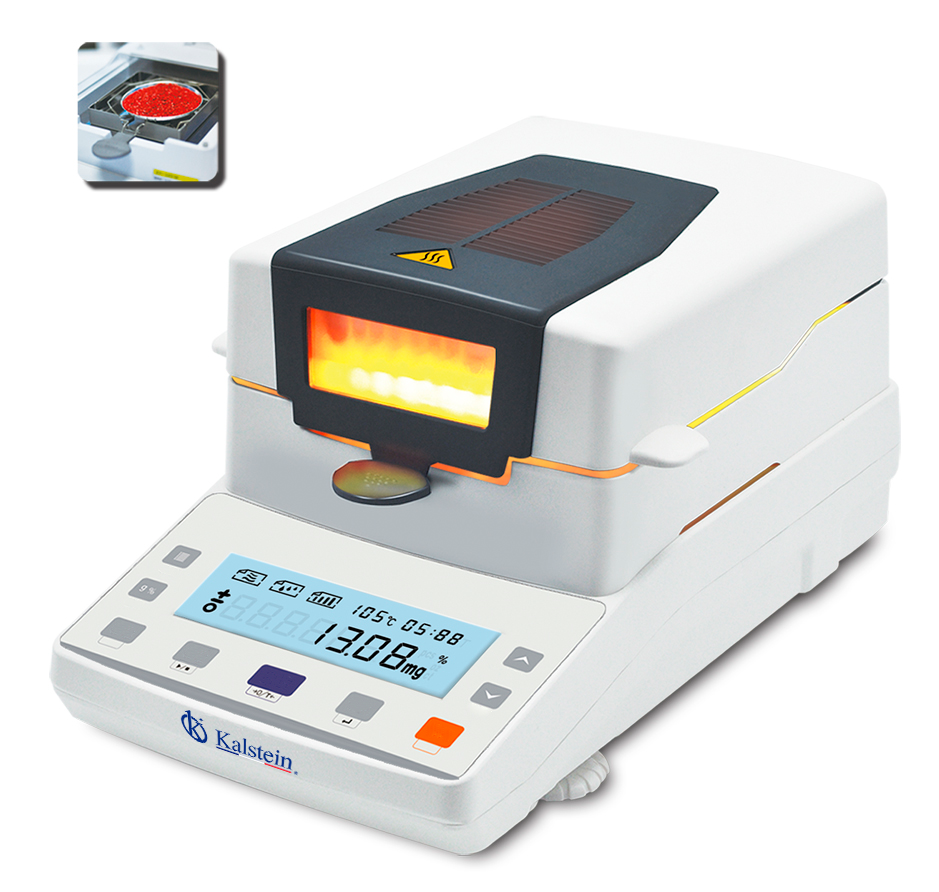
Interpreting Results and Reading Measurements with the YR05555 Halogen Moisture Analyzer
The YR05555 Halogen Moisture Analyzer is a sophisticated instrument designed to measure moisture content in various materials. Understanding the results produced by this analyzer is crucial for accurate data interpretation. This article delves into the intricacies of reading measurements, ensuring that users can effectively utilize the YR05555 in their laboratory settings.
Understanding Moisture Measurement Principles
The YR05555 operates on the principle of weight loss through moisture evaporation when heat is applied. During the process, a sample is heated by a halogen lamp, causing moisture to evaporate and the weight of the sample to decrease. The analyzer measures this weight loss to determine moisture content, providing results expressed as a percentage.
It's important to understand that the method relies on specific assumptions regarding sample homogeneity and moisture distribution. To obtain reliable results, samples must be representative and sufficiently ground if necessary.
Technical Specifications of the YR05555
| Feature | Details |
|---|---|
| Model | YR05555 |
| Capacity | 110g |
| Readability | 0.001g |
| Operating Temperature | 5℃-35℃ |
| Calibration | External Calibration |
| Display | LCD with white backlight |
| Power Supply | 220V ±15% 50HZ/110V±15% 60HZ/400W |
Interpreting Display Readings
Upon completion of a moisture analysis, the YR05555 displays the moisture percentage and the corresponding dry residue. Users must pay attention to these readings, as they are vital for understanding material properties. The displayed data is often accompanied by a timestamp and other relevant parameters, which can help trace back analysis conditions.
Understanding the unit of measurement is also critical; results are typically expressed in percentages or as a weight difference. Users should familiarize themselves with common moisture levels for their specific materials to better interpret how the results align with their expectations or quality standards.
Common Measurement Misinterpretations
Misinterpretations can occur if users overlook the influence of varying sample sizes, temperatures, or environmental conditions. For instance, fluctuations in temperature during the measurement process can cause inaccuracies. Therefore, it is recommended that users maintain consistent conditions across tests.
Furthermore, operators must recognize that not all materials behave uniformly when subjected to moisture analysis. Different substances may have unique moisture release patterns, thus requiring users to interpret results with industry-specific knowledge in mind.
Best Practices for Accurate Measurements
To achieve the most reliable measurements with the YR05555, several best practices should be followed:
- Ensure proper calibration before use.
- Use consistent sample sizes and preparation methods.
- Monitor environmental conditions, such as temperature and humidity, closely.
- Perform multiple readings and average results for increased precision.
Implementing these practices minimizes the risk of errors and enhances the quality of analysis.
Case Studies in Moisture Analysis
In various industries, the YR05555 has been utilized for analyzing moisture content in different materials. For instance, in the food sector, it is used to assess moisture levels in grains and powders to ensure product quality. In pharmaceuticals, it helps verify moisture content in active ingredients, affecting stability and efficacy.
Understanding how moisture analysis impacts product quality and safety is vital. The YR05555 provides quick and accurate data, enabling industries to uphold standards and regulations.
Frequently Asked Questions
What types of samples can the YR05555 analyze?
The YR05555 is designed to analyze a wide range of samples, including powders, granules, and certain pastes. It is essential to ensure that the sample is appropriately prepared for accurate measurements.
How do I calibrate the YR05555?
Calibration of the YR05555 should be performed using certified calibration standards. Follow the manufacturer's guidelines for external calibration procedures to ensure accuracy and reliability.
What are the common errors displayed on the YR05555?
Common errors may include 'E-01' for sensor faults or 'E-02' for calibration issues. Refer to the user manual for detailed troubleshooting steps specific to each error code.
How does temperature affect moisture readings?
Temperature fluctuations can significantly impact moisture readings. Higher temperatures typically increase evaporation rates, so it's crucial to maintain stable conditions for the most accurate analysis.
Can I store historical data on the YR05555?
Yes, the YR05555 has the capability to store historical measurement data. Users can access and review past results, which is beneficial for tracking trends over time.
What kind of maintenance does the YR05555 require?
Regular maintenance includes cleaning the sample chamber, checking for calibration accuracy, and ensuring that the halogen lamp is functioning correctly. Following the maintenance schedule outlined in the user manual is recommended.
How does the YR05555 compare to other moisture analyzers?
The YR05555 offers superior precision with its 0.001g readability and efficient heating system, making it a preferred choice for laboratories demanding high-quality moisture analysis compared to traditional methods.
If you are looking for a fusion of innovation and quality, you have come to the right place. At Kalstein, we offer you the luxury of exploring our exclusive catalog of laboratory equipment. We manufacture every device to the highest standards of excellence. Our intuitive and seamless online purchasing channels are designed for your convenience, securing the most competitive prices. Hesitate no longer — we bring science to life, it is time to become part of our community.