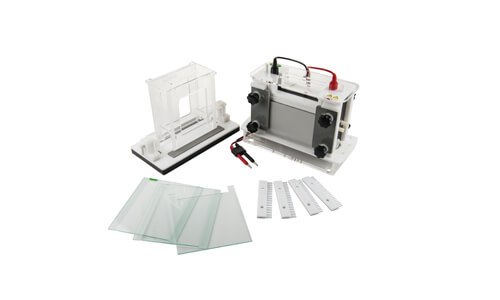
Interpreting Results and Measurement Readings with the YR402 Mini Electrophoresis
The YR402 Mini Electrophoresis is a versatile tool ideal for various laboratory applications. Its primary function revolves around the separation of nucleic acids and proteins, an essential process in molecular biology. Understanding how to interpret the results obtained from the YR402 is crucial for accurate data analysis and decision-making in research.
Understanding the Basics of Electrophoresis
Electrophoresis is a technique that utilizes an electric field to move charged particles through a medium. The YR402 is designed to facilitate this process effectively, ensuring consistent and reliable results. It operates on the principle that molecules will migrate at different rates depending on their size, shape, and charge.
This basic principle is foundational for interpreting results, as it dictates how samples will behave during an experiment. It is essential to have a firm grasp of electrophoresis to make sense of the data produced, particularly in distinguishing between different molecular species.
Technical Specifications of the YR402
| Model | Brand | Category | Subcategory | Price (USD) | Weight (Net) | Weight (Gross) | Dimensions | Package Size |
|---|---|---|---|---|---|---|---|---|
| YR402 | Kalstein | Electrophoresis | Horizontal Electrophoresis | $160.00 | 1.5 kg | 2.5 kg | x x | 30 x 19 x 19 |
Interpreting Results: Units and Normal Ranges
When interpreting results from the YR402, it is crucial to understand the units in which data is presented. Common units include base pairs for nucleic acids and kilodaltons for proteins. Normal ranges can vary depending on the specific application and the sample type. Familiarity with these units aids in assessing whether results fall within expected limits.
Error bars are also a vital part of data interpretation, indicating variability in data measurements. Understanding how to read these bars can help in evaluating the reliability and significance of the results.
Common Misinterpretations of Electrophoresis Results
Misinterpretations can lead to incorrect conclusions, making it essential to identify potential pitfalls. Common errors include mistaking sample smearing for degradation or erroneously assessing band intensity. It is critical to differentiate between strong and faint bands, as they represent varying concentrations of the target molecules.
Additionally, researchers must consider the effect of experimental variables such as gel concentration, buffer conditions, and voltage settings on the electrophoresis outcome. Understanding these variables allows for better-informed interpretations.
Worked Examples of Data Interpretation
To further illustrate the interpretation process, let’s consider a hypothetical scenario involving the YR402. Suppose you run a gel to analyze DNA fragments following PCR amplification. After loading the samples and running the electrophoresis, you observe distinct bands on the gel.
By comparing the band sizes to a DNA ladder, you can determine the sizes of your PCR products. If the expected size matches with one of the bands, you can confidently conclude that amplification was successful. However, if there is a band of unexpected size, further investigation into the PCR conditions may be necessary.
Interpreting Measurement Readings: Display and Printouts
The YR402 provides a display for easy reading of results, which can also be printed for documentation. Understanding the layout and contents of the display is essential for accurate interpretation.
Typically, the display will show the migration distance of bands, their relative intensities, and any relevant parameters set during the experiment. Familiarizing yourself with this information will streamline the analysis process, enabling quick decision-making based on your results.
Frequently Asked Questions
What types of samples can I analyze using the YR402?
The YR402 is suitable for analyzing nucleic acids such as DNA and RNA, as well as proteins. Depending on the gel and buffer systems used, it can accommodate various sample types.
How do I ensure the accuracy of my results with the YR402?
Accuracy can be ensured by using high-quality reagents, following proper loading techniques, and maintaining consistent experimental conditions. Regular calibration and validation of the equipment are also crucial.
What are the common issues encountered when interpreting results?
Common issues include misidentifying bands, confusion over sample quality, and misreading the display. It is essential to understand the context of the results within your specific experimental framework.
How can I improve the resolution of my electrophoresis results?
Improving resolution can be achieved by optimizing gel concentration, adjusting the voltage appropriately, and ensuring uniform sample loading. Running samples at a controlled temperature can also enhance resolution.
Can I use the YR402 for protein analysis?
Yes, the YR402 is effective for protein analysis, utilizing SDS-PAGE methods to separate proteins based on molecular weight and charge.
What precautions should I take when operating the YR402?
When using the YR402, it is essential to wear appropriate personal protective equipment, handle samples carefully to avoid contamination, and ensure that all equipment is properly calibrated before use.
How do I request a quote for the YR402?
You can easily request a quote for the YR402 by contacting our sales team. They will assist you in obtaining the necessary information for your purchase.
If you are looking for a fusion of innovation and quality, you have come to the right place. At Kalstein, we offer you the luxury of exploring our exclusive catalog of laboratory equipment. We manufacture every device to the highest standards of excellence. Our intuitive and seamless online purchasing channels are designed for your convenience, securing the most competitive prices. Hesitate no longer — we bring science to life, it is time to become part of our community.