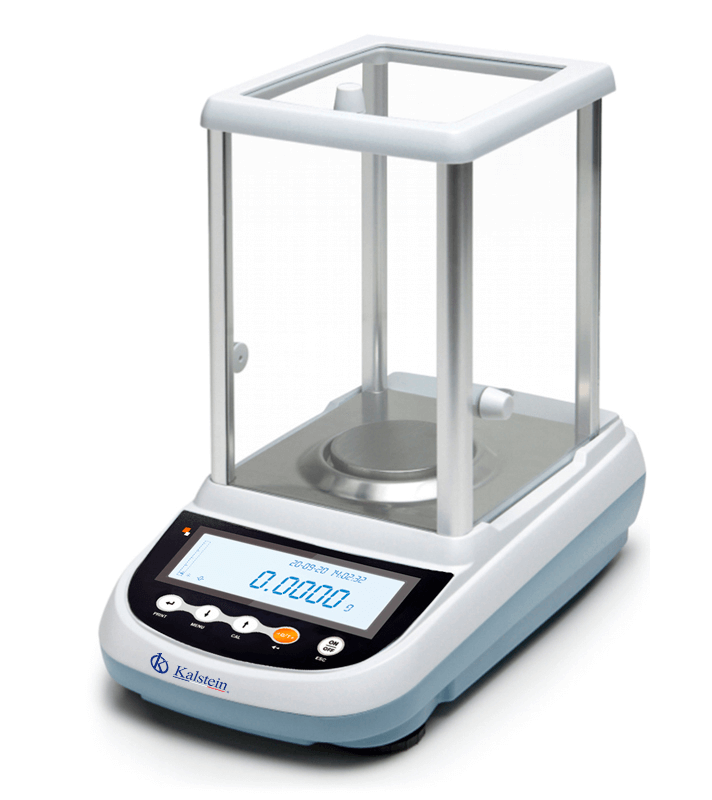
How to Ensure Compliance with ISO/IEC Standards in Selecting Analytical Balances
In the field of laboratory practices, adhering to ISO/IEC standards is critical for ensuring the accuracy and reliability of analytical measurements. This article delves into the importance of these standards in the selection of analytical balances, particularly for regulatory compliance. We will explore various models of analytical balances, their features related to ISO compliance, and best practices to maintain adherence to these crucial regulations.
Understanding ISO/IEC Standards and Their Relevance to Analytical Balances
ISO/IEC standards provide a framework for quality management systems, ensuring that laboratories produce accurate and reliable results. For analytical balances, compliance with standards such as ISO 17025 is essential for maintaining operational integrity. These standards govern calibration, maintenance, and performance testing of laboratory equipment.
Analytical balances must undergo regular calibrations to meet the specified accuracy and precision levels. Models such as the YR05568 and YR05569 are equipped with internal calibration features that enhance their reliability in compliance with these standards. Their load cells are designed to provide high stability and rapid response, factors that are crucial in laboratory settings.
Key ISO/IEC Standards Impacting Analytical Balances
Several ISO/IEC standards are particularly relevant for analytical balances:
- ISO 17025: This standard outlines the general requirements for the competence of testing and calibration laboratories.
- IEC 61010: It is essential for safety requirements for electrical equipment used in measurement, control, and laboratory processes.
- ISO 15189: This standard specifies requirements for quality and competence in medical laboratories, including those using analytical balances.
How Analytical Balances Help Meet Compliance Requirements
Each model of analytical balance comes with specific features that help laboratories comply with ISO standards. The internal calibration feature of the YR05568, for instance, allows for automated adjustments that ensure ongoing accuracy in measurements. This is vital for meeting the traceability requirements of ISO 17025, which mandates that all measurements be traceable to national standards.
Moreover, features such as a user-friendly interface and data output options (like RS232) in models like the YR05570 facilitate easy documentation and record-keeping, essential for compliance audits.
Comparison of Available Models
| Model | ISO/IEC Clauses Covered | Traceability Features | Best For |
|---|---|---|---|
| YR05568 | ISO 17025 | Internal Calibration | High Precision Measurements |
| YR05569 | ISO 17025 | Internal Calibration | Laboratories with Temperature Variations |
| YR05570 | IEC 61010 | External Calibration Option | Multi-User Lab Environments |
| YR05571 | ISO 15189 | Remote Monitoring | Medical Labs |
| YR05572 | ISO 17025 | Data Logging | Quality Control Processes |
| YR05573 | IEC 61010 | Integrated Safety Protocols | Research and Development Labs |
Common Mistakes and How to Avoid Them
Laboratories often make critical mistakes in selecting analytical balances based solely on price rather than compliance features. It is essential to evaluate models based on their adherence to ISO/IEC standards. Ensuring that the balance has appropriate calibration capabilities and traceability is crucial.
Another common mistake is neglecting regular maintenance and calibration schedule. For instance, the YR05573 requires frequent calibrations to ensure accuracy, which is crucial to comply with ISO 17025. Labs should develop a maintenance plan that aligns with the manufacturer's recommendations to avoid non-compliance issues.
Best Practices for Compliance in Lab Settings
To ensure compliance with ISO/IEC standards, laboratories should adopt several best practices:
- Maintain comprehensive records of all calibrations and maintenance activities.
- Regularly train staff on the importance of compliance and the correct use of analytical balances.
- Utilize models that offer data logging options to simplify documentation processes.
- Incorporate a quality management system that aligns with ISO 17025 standards.
Frequently Asked Questions
How do I choose an analytical balance that complies with ISO 17025?
Selecting an analytical balance that complies with ISO 17025 involves assessing features such as internal calibration, traceability, and stability. Models like the YR05568 offer automatic internal calibration which is crucial for maintaining compliance.
Which analytical balances are best for laboratories needing IEC 61010 compliance?
For laboratories requiring IEC 61010 compliance, models such as the YR05570 and YR05573 are excellent choices due to their built-in safety features and robust design. These balances are engineered to minimize electrical hazards while ensuring accurate measurements.
How often should I calibrate my analytical balances for compliance?
Calibration frequency for analytical balances should align with ISO 17025 guidelines, which typically recommend monthly calibrations for high-accuracy applications. Models like the YR05571 ensure that your balance remains compliant by allowing for easy calibration checks.
What are the traceability features I need in an analytical balance?
Traceability features in an analytical balance include the ability to calibrate against national or international standards. The YR05572 offers advanced data logging capabilities, making it easier to maintain and demonstrate compliance with traceability requirements.
How can an analytical balance improve my laboratory's ISO compliance?
An analytical balance improves ISO compliance by providing accurate measurements essential for quality control. Models like the YR05569 have features such as internal calibration that reduce measurement errors, vital for labs adhering to ISO standards.
What features should I look for in a compliant analytical balance?
Look for features such as internal calibration, environmental stability, and data output capabilities. Analytical balances like the YR05570 provide robust features that are necessary for ensuring compliance with ISO/IEC standards.
Why is regular maintenance critical for analytical balances in compliant labs?
Regular maintenance ensures optimal performance and accuracy, which are critical for compliance with standards like ISO 17025. A well-maintained balance like the YR05573 can minimize errors and ensure consistent results in laboratory settings.
What are the consequences of not complying with ISO/IEC standards in a lab?
Failing to comply with ISO/IEC standards can lead to inaccurate results, loss of accreditation, and potential legal repercussions. It is essential to use compliant analytical balances like the YR05568 to mitigate these risks and ensure high-quality lab operations.
If you are looking for a fusion of innovation and quality, you have come to the right place. At Kalstein, we offer you the luxury of exploring our exclusive catalog of laboratory equipment. We manufacture every device to the highest standards of excellence. Our intuitive and seamless online purchasing channels are designed for your convenience, securing the most competitive prices. Hesitate no longer — we bring science to life, it is time to become part of our community.