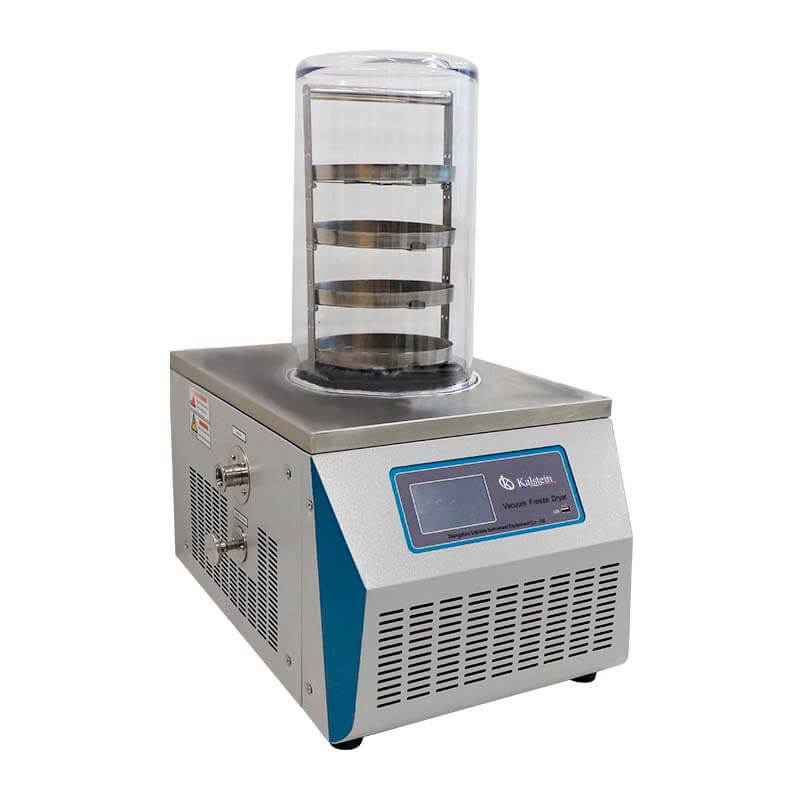
How to Ensure ISO/IEC Compliance with Benchtop Laboratory Freeze Dryers
In the ever-evolving landscape of laboratory technology, compliance with ISO/IEC standards is paramount for ensuring quality and reliability in lab operations. Benchtop laboratory freeze dryers play a crucial role in various fields such as pharmaceuticals, food production, and biological research. This article delves into the ISO/IEC standards relevant to freeze dryers, discusses the benefits of compliance, and presents an in-depth comparison of multiple models available in the market.
Understanding ISO/IEC Standards and Their Importance
ISO (International Organization for Standardization) and IEC (International Electrotechnical Commission) standards provide frameworks that ensure the quality, safety, and efficiency of laboratory equipment. Compliance with these standards is vital for laboratories aiming to maintain accreditation, enhance product quality, and minimize risks associated with equipment failure. For benchtop laboratory freeze dryers, particular emphasis is placed on standards such as ISO 17025, which pertains to testing and calibration laboratories, and IEC 61010, which focuses on safety requirements for electrical equipment used in laboratories.
ISO 17025 and Benchtop Freeze Dryers
ISO 17025 is a benchmark for laboratories, ensuring they operate competently and generate valid results. The standard covers aspects like management, technical requirements, and the need for consistent quality assurance practices. A freeze dryer that complies with ISO 17025 must demonstrate precision in temperature control, vacuum maintenance, and reproducibility of results. Models like YR05186 and YR05187 are designed to meet these demands, featuring advanced controls that facilitate stringent compliance with temperature and vacuum specifications.
IEC 61010 Compliance in Laboratory Equipment
IEC 61010 outlines the safety requirements for electrical equipment used in laboratories, ensuring protection against electrical hazards. Compliance helps mitigate risks linked to electrical shocks and equipment malfunctions. When selecting a benchtop laboratory freeze dryer, it's crucial to assess its electrical safety features. Models such as YR05188 and YR05189 incorporate safety mechanisms that adhere to IEC 61010 standards, providing peace of mind for laboratory professionals.
Audit Checklists for Compliance Verification
Conducting regular audits is essential for verifying compliance with ISO/IEC standards. An effective audit checklist for benchtop laboratory freeze dryers should include parameters like operational procedures, maintenance logs, calibration records, and safety inspections. By regularly reviewing these aspects, laboratories can identify potential areas of non-compliance and address them proactively. For instance, maintaining a calibration record for models like YR05187 can safeguard against deviations in performance.
Documentation Requirements for Regulatory Adherence
Documentation is a cornerstone of compliance. Laboratories must maintain detailed records of operational protocols, maintenance schedules, and calibration reports. For benchtop laboratory freeze dryers, documenting the conditions under which testing occurs is critical. This includes the temperature settings, vacuum levels, and type of samples processed. Such records not only facilitate audits but also contribute to the traceability required by ISO standards.
Traceability in Laboratory Processes
Traceability ensures that every measurement made by laboratory equipment can be traced back to a recognized standard. For freeze dryers, this involves documenting the calibration of temperature and pressure sensors. Each model, including YR05186, allows for easy integration of traceable calibration records, enhancing compliance and improving the reliability of results.
Comparison of Available Models
| Model | ISO/IEC Clauses Covered | Traceability Features | Best For |
|---|---|---|---|
| YR05186 | ISO 17025, IEC 61010 | Integrated calibration records | Pharmaceutical applications |
| YR05187 | ISO 17025 | Traceable temperature control | Biological research |
| YR05188 | IEC 61010 | Safety compliance features | Food production |
| YR05189 | ISO 17025 | Calibrated vacuum control | General laboratory use |
| YR05189-1 | IEC 61010 | Safety and calibration logs | Multi-user environments |
Common Mistakes and How to Avoid Them
Laboratories often overlook critical compliance aspects that can lead to severe repercussions. Common mistakes include neglecting regular calibration, failing to maintain detailed records, and not conducting routine audits. To counter these pitfalls, laboratories should establish a compliance management system that includes scheduled maintenance for freeze dryers, regular training sessions for staff on documentation practices, and frequent reviews of operational protocols to align with ISO/IEC standards.
Frequently Asked Questions
How can a benchtop laboratory freeze dryer comply with ISO 17025 standards?
To comply with ISO 17025, a benchtop laboratory freeze dryer like YR05187 needs to demonstrate operational consistency and reliability in results. This includes maintaining precise temperature and vacuum levels, documenting calibration records, and ensuring rigorous quality control protocols are in place.
What safety features should a freeze dryer have to meet IEC 61010 standards?
A freeze dryer such as YR05188 must include safety features that prevent electrical hazards, such as overcurrent protection, proper grounding, and emergency shutoff capabilities, to comply with IEC 61010 standards and ensure operator safety.
What types of documentation are necessary for compliance with regulatory standards?
Documentation for compliance requires maintaining records of operational procedures, calibration logs, maintenance schedules, and audit reports. For instance, models like YR05189 should have detailed logs to support their validity under ISO/IEC regulations.
How often should calibration be performed on laboratory freeze dryers?
Calibration for laboratory freeze dryers, including those like YR05186, should be conducted at least annually or whenever a significant change in performance is noted. This ensures ongoing compliance with ISO/IEC standards and reliable operational results.
Which model is best for multi-user laboratory environments?
The YR05189-1 model is well-suited for multi-user environments due to its features that cater to various applications while ensuring compliance with relevant ISO/IEC standards. It offers flexibility without compromising performance.
What is the importance of traceability in laboratory freeze dryers?
Traceability in laboratory freeze dryers ensures that all measurements can be linked back to national or international standards. For instance, the YR05188 model incorporates mechanisms that facilitate traceable calibration, enhancing compliance and data integrity.
How do I assess the compliance of my freeze dryer model?
To assess compliance, compare your freeze dryer model against relevant ISO/IEC standards. Evaluate features such as calibration capabilities and operational procedures. Models like YR05187 provide built-in compliance checks to facilitate this process.
What are the best practices for maintaining compliance with laboratory standards?
Best practices include establishing a compliance management system, conducting regular audits, maintaining accurate records, and ensuring timely calibration of equipment. Utilizing models like YR05186 that provide features for compliance tracking can significantly aid in this process.
If you are looking for a fusion of innovation and quality, you have come to the right place. At Kalstein, we offer you the luxury of exploring our exclusive catalog of laboratory equipment. We manufacture every device to the highest standards of excellence. Our intuitive and seamless online purchasing channels are designed for your convenience, securing the most competitive prices. Hesitate no longer — we bring science to life, it is time to become part of our community.