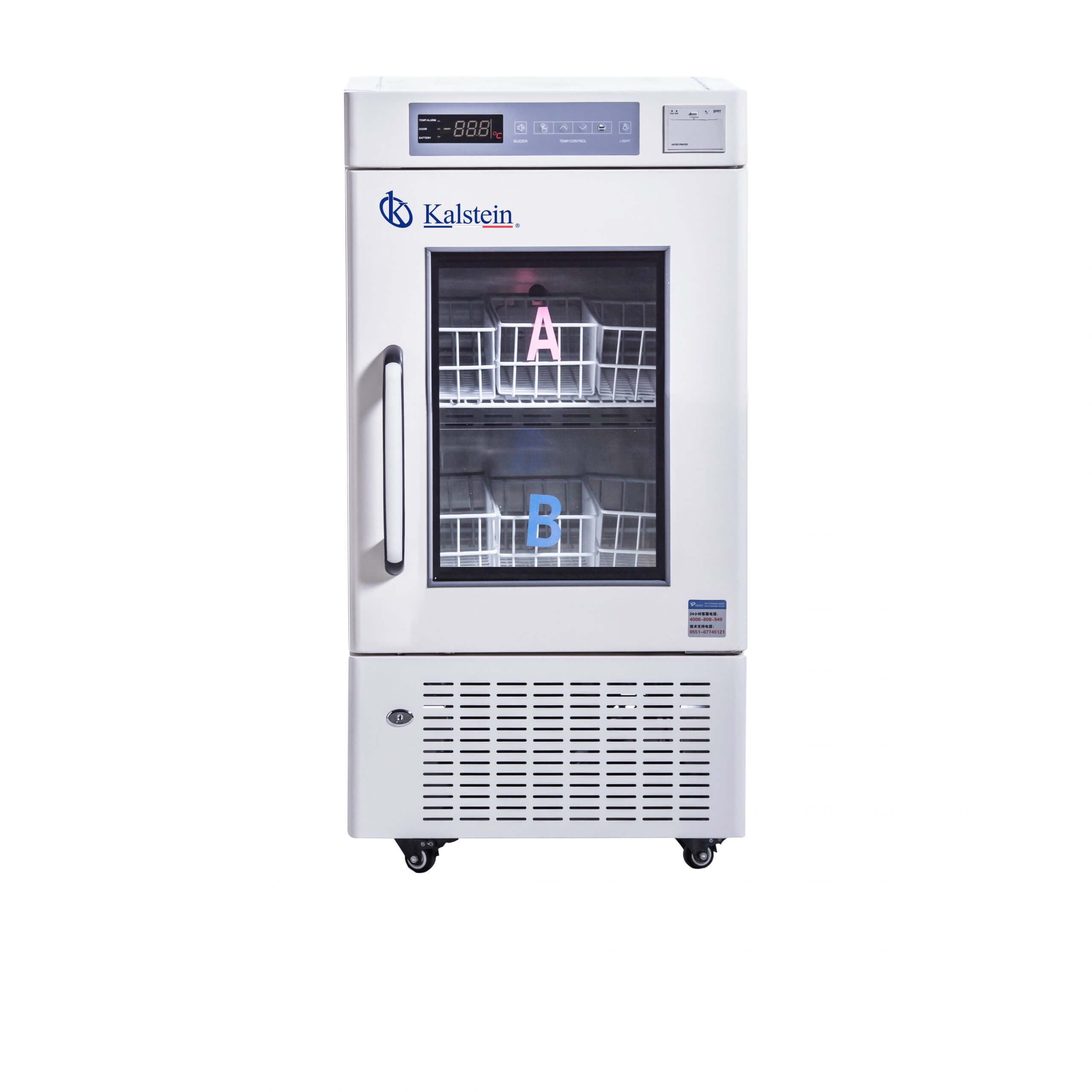
ISO/IEC Compliance in Blood Bank Refrigerators: Key Considerations and Model Comparisons
In the realm of laboratory operations, especially within blood banks, adhering to ISO/IEC standards is not merely a regulatory obligation but a fundamental aspect of delivering quality care. Blood bank refrigerators play a pivotal role in maintaining the integrity of blood products and other related bioproducts. This article delves into the specifics of ISO/IEC compliance as it pertains to blood bank refrigerators, outlining essential standards, model comparisons, and common pitfalls in selection and usage.
Understanding ISO/IEC Standards Relevant to Blood Bank Refrigerators
ISO/IEC standards provide a framework for quality management and compliance in laboratories. For blood bank refrigerators, the most pertinent standards include:
- ISO 17025: This standard ensures that laboratories are competent to carry out tests and calibrations. It emphasizes quality management systems and the ability to consistently produce valid results.
- ISO 15189: This is specifically tailored for medical laboratories and includes requirements for quality and competence. Compliance ensures that the blood bank refrigerator maintains a controlled environment for blood storage.
- IEC 61010: This standard covers the safety requirements for electrical equipment used in measurement, control, and laboratory applications, which includes refrigerators.
Understanding these standards is crucial for laboratory professionals when selecting equipment that meets regulatory requirements.
Key Features of Blood Bank Refrigerators for Compliance
When evaluating blood bank refrigerators, several features directly contribute to compliance with ISO/IEC standards:
- Temperature Control: Maintaining a consistent temperature range of 2-6 °C is critical. Models are equipped with microprocessor-controlled forced air cooling systems to achieve this.
- Digital Monitoring: Digital temperature displays that provide real-time monitoring of both upper and lower sections of the chamber enhance compliance.
- Alarm Systems: Refrigerators should have multiple alarms for temperature excursions, power failure, and door ajar conditions, ensuring immediate corrective actions can be taken.
Comparison of Available Models
| Model | ISO/IEC Clauses Covered | Traceability Features | Best For |
|---|---|---|---|
| YR05091 | ISO 17025, ISO 15189 | Digital monitoring system | Small to medium blood banks |
| YR05092 | ISO 17025, ISO 15189 | Integrated temperature sensors | Hospitals and clinics |
| YR05094 | ISO 17025, IEC 61010 | Comprehensive alarm systems | Large blood banks with high volume |
| YR05098 | IEC 61010 | Manual and digital alarm features | Research labs requiring deep freeze |
| YR05292 | ISO 15189 | Multiple safety alarms | Storage of large quantities of blood products |
| YR05292-1 | ISO 15189 | Digital monitoring and alarm | Large-scale blood banks |
Common Pitfalls in Selecting Blood Bank Refrigerators
Laboratories can often fall into various traps when selecting blood bank refrigerators. Common mistakes include:
- Ignoring Compliance: Failing to ensure that the selected model meets ISO/IEC standards can lead to regulatory violations and jeopardize patient safety.
- Overlooking Features: Not considering essential features such as digital monitoring or alarm systems can result in inadequate storage conditions.
- Underestimating Size Needs: Choosing a model without considering volume requirements for blood storage can lead to operational inefficiencies.
How Blood Bank Refrigerators Support Regulatory Compliance
Blood bank refrigerators like the YR05091 and YR05092 offer features such as precise temperature controls and integrated monitoring systems, which play a significant role in regulatory compliance. For instance, these models maintain the required temperature range of 2-6 °C, as specified by ISO standards, ensuring the quality and safety of stored blood products.
Energy Efficiency and Sustainability in Blood Bank Refrigerators
As laboratories strive for sustainability, energy-efficient models like the YR05094 and YR05098 stand out. These refrigerators are designed to minimize energy consumption while maintaining optimal storage conditions. Incorporating features such as insulated cabinets and efficient compressors can significantly reduce the overall energy footprint, aligning with both ISO and sustainability goals.
Best Practices for Documenting Compliance
Documenting compliance with ISO/IEC standards in blood bank operations is essential for audits and regulatory inspections. Best practices include:
- Regular Calibration: Ensure that the temperature monitoring systems are regularly calibrated against traceable standards.
- Maintain Logs: Keep detailed logs of temperature readings, alarm responses, and maintenance activities to demonstrate compliance during audits.
- Training Staff: Regularly train staff on compliance protocols and the importance of equipment integrity and monitoring.
Frequently Asked Questions
How does the YR05091 blood bank refrigerator ensure ISO 17025 compliance?
The YR05091 blood bank refrigerator features a microprocessor-controlled system that maintains a temperature range of 2-6 °C, which is critical for ISO 17025 compliance. This model provides integrated sensors for real-time monitoring, enhancing traceability and operational integrity.
Which features of YR05092 enhance compliance with ISO 15189 standards?
The YR05092 is equipped with a digital monitoring display and multiple alarm systems that enhance compliance with ISO 15189 standards. Monitoring temperature variations ensures that blood products are stored at safe temperatures, crucial for regulatory adherence.
What role does the YR05094 play in meeting IEC 61010 safety regulations?
The YR05094 model complies with IEC 61010 safety regulations by incorporating features such as a reliable alarm system and safety controls. These features ensure that safe operational practices are maintained, thereby protecting both the equipment and staff.
How can blood bank professionals document compliance effectively?
Blood bank professionals can document compliance effectively by maintaining logs of temperature readings and alarm incidents. Regular calibration records of models like YR05098 should also be kept, ensuring traceability and compliance with ISO/IEC standards.
What are the energy consumption metrics for the YR05292 blood bank refrigerator?
The YR05292 blood bank refrigerator is designed for energy efficiency, consuming approximately 1.95 kWh in 24 hours. This efficient energy use not only supports operational cost savings but also aligns with sustainability goals.
Why is temperature control critical for compliance in blood bank refrigerators?
Temperature control is critical for compliance because it ensures that blood products are stored within the required range of 2-6 °C. Models like the YR05092 provide precise temperature regulation, directly impacting the integrity and safety of the stored blood.
How do alarm systems in YR05098 enhance operational safety?
The alarm systems in the YR05098 model enhance operational safety by alerting staff to any potential temperature deviations or system failures. This proactive approach helps maintain compliance with safety standards and protects blood product viability.
What considerations should be made for model selection regarding compliance?
When selecting a model for compliance, consider features such as digital monitoring, alarm systems, and energy efficiency. Models like YR05094 provide advanced features that support adherence to ISO/IEC standards, ensuring regulatory compliance is met.
If you are looking for a fusion of innovation and quality, you have come to the right place. At Kalstein, we offer you the luxury of exploring our exclusive catalog of laboratory equipment. We manufacture every device to the highest standards of excellence. Our intuitive and seamless online purchasing channels are designed for your convenience, securing the most competitive prices. Hesitate no longer — we bring science to life, it is time to become part of our community.