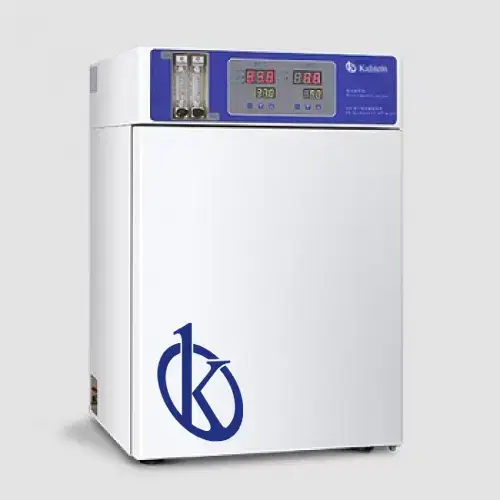
How to Ensure ISO/IEC Compliance with CO₂ Incubators in Your Laboratory
In laboratory environments, CO₂ incubators play a vital role in cell culture, microbiological research, and various scientific applications. Ensuring compliance with ISO/IEC standards is essential for maintaining quality and reliability in laboratory processes. This article will delve into the key ISO and IEC standards relevant to CO₂ incubators, their importance in regulatory compliance, and provide a comprehensive comparison of available models to assist you in making informed decisions.
Understanding ISO/IEC Standards for CO₂ Incubators
ISO/IEC standards set forth criteria and specifications that laboratories must adhere to in order to ensure quality and reliability in their operations. For CO₂ incubators, key standards include ISO 17025, which focuses on competence of testing and calibration laboratories, and IEC 61010, which outlines safety requirements. Understanding these standards is crucial for laboratory professionals who want to guarantee that their equipment meets the necessary compliance criteria.
Importance of ISO 17025 in CO₂ Incubators
The ISO 17025 standard is essential for laboratories aiming to demonstrate their ability to produce valid and reliable results. This compliance ensures that both the equipment and the processes used within the laboratory are adequately controlled and consistently performed. For instance, the CO₂ Incubator YR02048 is designed for cell cultures and microbiology, and it incorporates microcomputer control to maintain precise temperature and CO₂ levels, thus supporting compliance with ISO 17025 requirements.
IEC 61010: Safety and Performance Standards
IEC 61010 outlines safety requirements for electrical equipment used in measurement, control, and laboratory environments. Ensuring that CO₂ incubators comply with this standard not only enhances safety for operators but also improves reliability in laboratory results. For example, the CO₂ Incubator YR02049-1 utilizes a professional-grade CO₂ IR sensor, enabling accurate detection of CO₂ concentration, which is critical for maintaining the safety and performance standards dictated by IEC 61010.
Regulatory Compliance and Documentation Requirements
Regulatory compliance involves maintaining thorough documentation that supports the operational integrity of laboratory equipment. For CO₂ incubators, this may include calibration records, maintenance logs, and service reports. Maintaining such documentation aids compliance with ISO 17025 and can be efficiently managed using integrated laboratory information management systems (LIMS). The CO₂ Incubator YR02049, with its built-in features for traceability, simplifies this process significantly.
Traceability in Laboratory Operations
Traceability is a fundamental requirement for compliance, ensuring that every measurement and result can be linked back to recognized standards. This is particularly important in labs conducting sensitive biological research. Incorporating CO₂ incubators that offer robust traceability features, like the YR02048 model, enhances the reliability of results and supports compliance with international standards.
Comparison of Available Models
| Model | ISO/IEC Clauses Covered | Traceability Features | Best For |
|---|---|---|---|
| YR02048 | ISO 17025, IEC 61010 | Microcomputer control, precise calibration | Cell culture, microbiology |
| YR02049 | ISO 17025, IEC 61010 | Integrated data logging | Pharmaceutical research |
| YR02049-1 | ISO 17025, IEC 61010 | Professional IR sensor for CO₂ | Pathology research |
Common Mistakes and How to Avoid Them
One common mistake in laboratory operations is neglecting the importance of routine calibration and maintenance of CO₂ incubators. This oversight can lead to non-compliance with ISO/IEC standards and unreliable results. To avoid this, establish a regular maintenance schedule that includes calibration checks for equipment like the YR02049, ensuring that it operates within specified tolerances.
Frequently Asked Questions
How can CO₂ incubators help meet ISO 17025 compliance standards?
CO₂ incubators like the YR02048 are designed with microcomputer controls that ensure precise temperature and CO₂ levels, critical for meeting ISO 17025 compliance. By maintaining accurate environmental conditions, these incubators enhance the reliability of lab results.
What are the key features of CO₂ incubators that ensure IEC 61010 compliance?
The CO₂ Incubator YR02049-1 features a professional-grade IR sensor to accurately detect CO₂ levels, ensuring compliance with IEC 61010 safety standards. This contributes to safe laboratory operations and reliable experimental results.
Why is traceability important for CO₂ incubators in a lab?
Traceability ensures that all measurements from CO₂ incubators, such as the YR02049, can be linked to standardized references, enhancing the quality of laboratory results and compliance with ISO 17025 standards.
How do I maintain documentation for CO₂ incubators to support compliance?
Maintaining detailed records of calibration, maintenance, and operational logs for CO₂ incubators like the YR02048 helps establish compliance with ISO and IEC standards. This documentation is crucial for audits and assessments.
What features should I look for in a CO₂ incubator for regulatory compliance?
Look for features like microcomputer control, integrated data logging, and professional sensors in CO₂ incubators such as the YR02049. These features facilitate compliance with regulatory standards and enhance laboratory reliability.
How often should I perform maintenance on my CO₂ incubator?
Regular maintenance should be scheduled every 3-6 months for CO₂ incubators like the YR02049-1. This includes calibration checks and performance assessments to ensure ongoing compliance with ISO standards.
What role does equipment selection play in laboratory compliance?
Choosing compliant equipment, such as the CO₂ incubators in this comparison, directly influences laboratory operations' success in meeting ISO/IEC standards. Proper selection ensures reliability and optimal performance.
What are some best practices for ensuring CO₂ incubators are compliant?
Best practices include regular calibration, detailed documentation, and choosing models with strong compliance features. Models like the YR02048 offer excellent support for maintaining ISO/IEC compliance.
If you are looking for a fusion of innovation and quality, you have come to the right place. At Kalstein, we offer you the luxury of exploring our exclusive catalog of laboratory equipment. We manufacture every device to the highest standards of excellence. Our intuitive and seamless online purchasing channels are designed for your convenience, securing the most competitive prices. Hesitate no longer — we bring science to life, it is time to become part of our community.