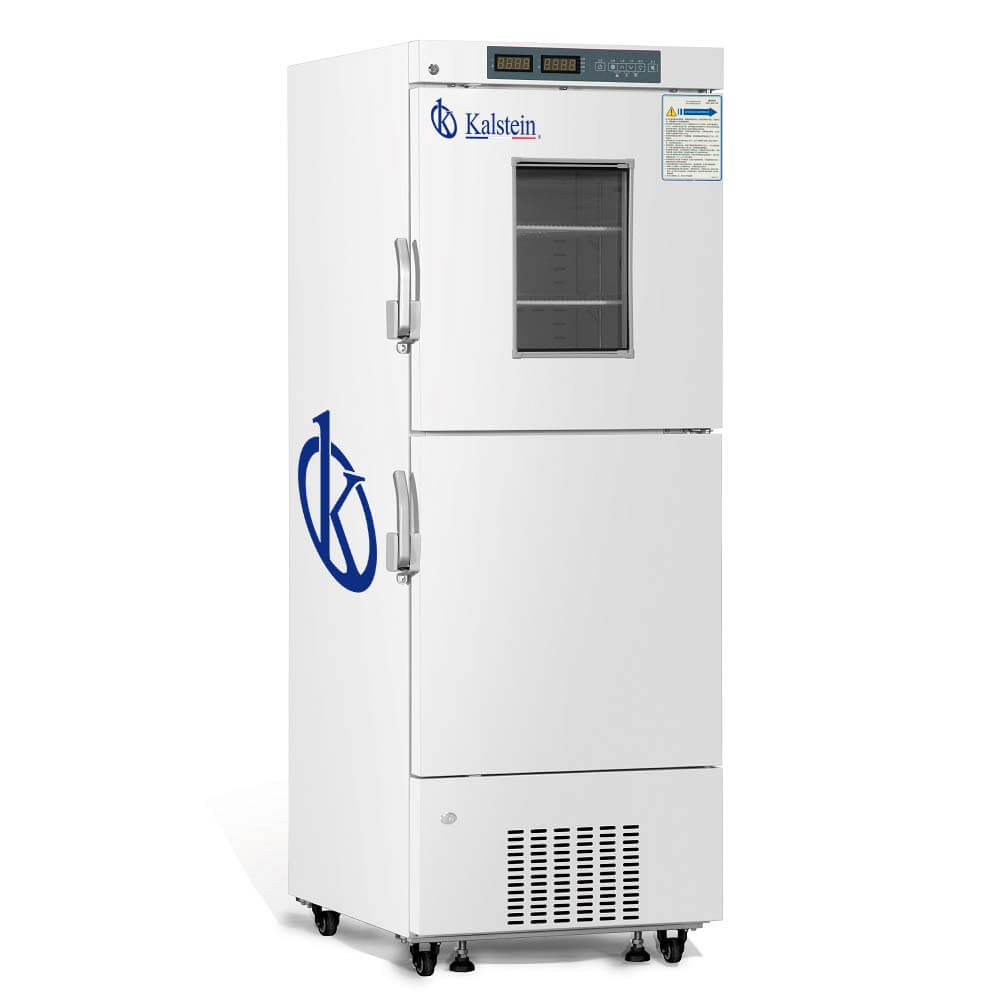
How to Ensure ISO/IEC Compliance in Combined Freezers for Laboratories
When working in laboratory settings, compliance with ISO/IEC standards is critical, particularly for equipment like combined freezers. These units not only store biological samples but also play a crucial role in maintaining product integrity. Understanding how each model meets these standards can be a game-changer for laboratory professionals. This article will delve into various combined freezer models and their compliance with the latest ISO/IEC regulatory requirements.
Understanding ISO/IEC Standards Relevant to Combined Freezers
ISO/IEC standards provide a framework for quality assurance in laboratories. Key standards that laboratories should focus on regarding combined freezers include ISO 17025, which governs testing and calibration laboratories, and ISO 15189, which is specific to medical laboratories. These standards ensure that laboratories operate efficiently and results are reliable.
ISO 17025 Compliance
ISO 17025 focuses on the competence of testing and calibration laboratories. For combined freezers, this includes rigorous temperature control, regular maintenance protocols, and documentation practices. Each unit must demonstrate traceability of measurements and compliance with the specified range of temperatures that are critical for preserving biological samples.
ISO 15189 Compliance
ISO 15189 specifically addresses the quality of medical laboratories. Combined freezers must not only comply with standard operational protocols but also ensure proper storage conditions for sensitive materials such as blood plasma. Units must be validated to show compliance with these standards during laboratory audits.
Comparison of Available Models
| Model | ISO/IEC Clauses Covered | Traceability Features | Best For |
|---|---|---|---|
| YR05320 | ISO 17025, ISO 15189 | Digital display with temperature logs | Pharmaceuticals and plasma storage |
| YR05321 | ISO 15189 | Independent temperature monitoring | Hospitals and blood banks |
| YR05321-1 | ISO 17025, ISO 15189 | Data logging capabilities | Clinical research labs |
Common Mistakes and How to Avoid Them
Laboratory professionals often overlook the importance of regular audits for compliance with ISO/IEC standards. It is crucial to perform routine checks on temperature logs, equipment calibration, and documentation. Additionally, improper training on equipment usage can lead to compliance issues. Implementing a robust training program and maintaining an audit checklist can significantly mitigate these risks.
Temperature Control and Monitoring
Maintaining appropriate temperature levels in combined freezers is a significant aspect of ISO compliance. The YR05320 model, for instance, operates between -20°C to -40°C for the freezer compartment and 2°C to 8°C for the refrigerator compartment, ensuring that all biological materials are stored safely. Regular calibration of the temperature monitoring system is required to comply with ISO 17025.
Documentation and Traceability
Proper documentation practices are essential in demonstrating compliance with ISO/IEC standards. Laboratories must maintain records of all temperature monitoring, maintenance schedules, and calibration data. Models like YR05321 offer features such as digital displays for easy logging and tracking, which assist laboratories in maintaining thorough records.
Risk Management and Compliance Strategy
Implementing a comprehensive risk management strategy that includes regular training and emergency protocols is vital for any laboratory relying on combined freezers. This not only ensures compliance with ISO/IEC standards but also promotes a culture of safety and accountability within the laboratory environment.
Energy Efficiency and Sustainability
Energy consumption is another critical factor in laboratory operations. Complying with energy standards can also contribute to a laboratory's sustainability goals. The YR05320 model has a reported energy consumption of 4.15 kWh/24h, making it a cost-effective option for laboratories aiming to reduce their energy footprint.
Frequently Asked Questions
How do combined freezers meet ISO 17025 standards in laboratories?
Combined freezers like the YR05320 meet ISO 17025 standards by ensuring precise temperature control and comprehensive documentation of temperature records, thus maintaining the integrity of stored samples.
What are the common compliance issues with combined freezers in labs?
Common compliance issues include inadequate temperature monitoring and failure to maintain proper documentation. Regular audits and checks can help laboratories avoid these pitfalls.
Which model is best for blood plasma storage under ISO 15189?
The YR05321 model is ideal for blood plasma storage as it provides independent temperature control and monitoring, ensuring compliance with ISO 15189 standards.
How can I ensure my combined freezer is energy efficient?
Choosing models like the YR05320, which has low energy consumption of 4.15 kWh/24h, can help labs maintain energy efficiency while ensuring compliance with regulatory standards.
What documentation is necessary for ISO compliance in freezers?
Documentation must include temperature logs, maintenance records, calibration schedules, and audit reports to ensure compliance with ISO standards.
What role does temperature calibration play in compliance?
Temperature calibration is crucial for compliance, as it ensures that the combined freezer operates within the specified ranges, thereby maintaining sample integrity and fulfilling ISO/IEC requirements.
How often should I audit my combined freezers for compliance?
It is recommended to audit combined freezers at least bi-annually to ensure they meet ISO/IEC standards and that all documentation is up to date.
Why is traceability important for combined freezers in labs?
Traceability ensures that all measurements and conditions can be verified, which is essential for maintaining compliance with ISO standards and ensuring the integrity of laboratory results.
If you are looking for a fusion of innovation and quality, you have come to the right place. At Kalstein, we offer you the luxury of exploring our exclusive catalog of laboratory equipment. We manufacture every device to the highest standards of excellence. Our intuitive and seamless online purchasing channels are designed for your convenience, securing the most competitive prices. Hesitate no longer — we bring science to life, it is time to become part of our community.