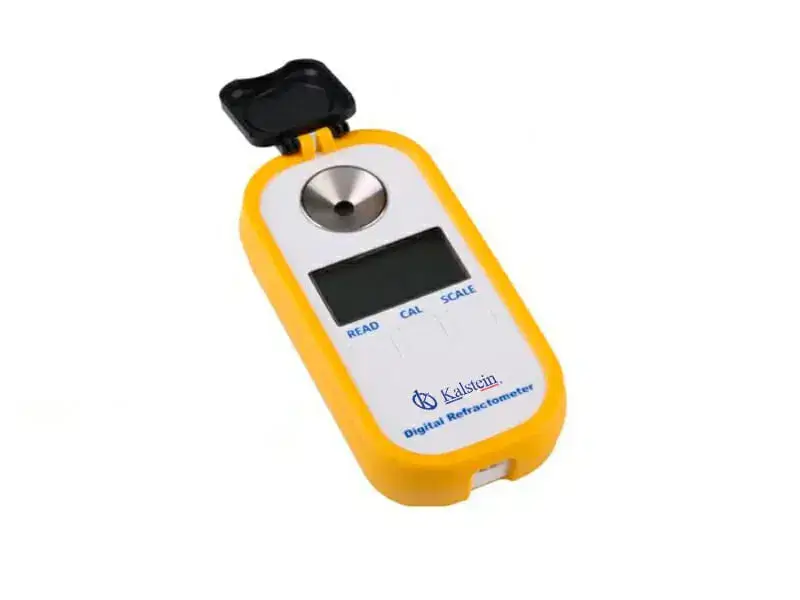
How to Ensure ISO/IEC Compliance with Digital Salinity Refractometers in the Laboratory
In laboratory settings, adhering to ISO/IEC standards is crucial for ensuring reliability, quality, and safety in various testing processes. Digital salinity refractometers, such as the YR05953, YR05954, and YR05955, play a vital role in this compliance by providing accurate measurements of salinity and other essential parameters. This article delves into the specifics of how these devices align with ISO/IEC standards, enhancing laboratory efficiency and meeting regulatory requirements.
Understanding ISO/IEC Standards Relevant to Digital Salinity Refractometers
ISO/IEC 17025 is the primary standard applied to testing and calibration laboratories. It encompasses requirements for the competence of laboratories to perform tests and calibrations, including sampling. Compliance with this standard ensures that the laboratory generates reliable and valid results.
Digital salinity refractometers contribute significantly to meeting these standards through their precise measurement capabilities and built-in temperature compensation features. For instance, the YR05953 provides a measurement range of 0.0–28.0% salinity with an accuracy of ±0.1%, ensuring that results are consistent and reliable, which is vital for ISO/IEC compliance.
Specific ISO Clauses Addressed by Digital Salinity Refractometers
Digital salinity refractometers help fulfill several important clauses of ISO/IEC 17025. Here are some key clauses and how these devices support compliance:
- Clause 5.4: Quality Management System - Maintaining a documented quality management system ensures all laboratory processes are controlled. Digital refractometers help in monitoring quality through accurate measurements.
- Clause 6.4: Equipment - This clause emphasizes the need for proper calibration and maintenance of equipment. Models like YR05954, with automatic temperature compensation, require less frequent recalibration, simplifying compliance.
- Clause 7.1: Review of Requests - By providing precise and reliable measurements, laboratories can ensure that they meet customer specifications and regulatory requirements effectively.
How Digital Salinity Refractometers Enhance Compliance with IEC Standards
IEC 61010 covers the safety requirements of electrical equipment for measurement, control, and laboratory use. The construction of digital salinity refractometers ensures that they meet these safety standards. Features such as user-friendly interfaces and automatic temperature compensation enhance operational safety and accuracy, ensuring compliance with IEC standards. For example, the YR05955 model, designed for density measurements, also meets IEC safety requirements through robust design and testing protocols.
Comparison of Available Models
| Model Code | Measurement Range | Min. Division | Accuracy | ATC | Best For |
|---|---|---|---|---|---|
| YR05953 | 0.0–28.0% | 0.10% | ±0.1% | Yes (0-40°C) | Salinity measurement in freshwater applications |
| YR05954 | 0–280‰ | 1‰ | ±1‰ | Yes (0-40°C) | Sea water and brine solutions |
| YR05955 | 1.000-1.217 | 0.001 | ±0.002 | Yes (0-40°C) | Density measurements |
| YR05956 | 1.3330–1.3900nD | 0.0001nD | ±0.0003nD | Yes (0-40°C) | Index of refraction measurements |
| YR05957 | 0–100‰ | 1‰ | ±2‰ | Yes (0-40°C) | General salinity measurements |
| YR05958 | 0–57‰ | 1‰ | ±2‰ | Yes (0-40°C) | Salinity in clinical settings |
| YR05959 | 1.000-1.070 | 0.001 | ±0.002 | Yes (0-40°C) | Density in various applications |
| YR05960 | 1.3330–1.3530nD | 0.0001nD | ±0.0003nD | Yes (0-40°C) | Precision refractive index measurements |
Common Mistakes and How to Avoid Them
Laboratories often encounter challenges when integrating digital salinity refractometers into their operations. Here are some common mistakes and strategies to avoid them:
- Neglecting Calibration: Regular calibration is essential for maintaining accuracy. Ensure that calibration schedules are established and adhered to for models like the YR05954.
- Ignoring Temperature Compensation: Failing to utilize the automatic temperature compensation feature can lead to inaccurate readings. Properly train staff to use this feature effectively.
- Inadequate Documentation: Maintain detailed records of all measurements and calibrations. This documentation supports compliance and can be critical during audits.
Frequently Asked Questions
What ISO standards do digital salinity refractometers comply with?
Digital salinity refractometers such as the YR05953 comply with ISO/IEC 17025, ensuring reliable measurements for laboratory tests. These standards enforce rigorous quality management practices, critical for successful laboratory operations.
How can I ensure that my digital refractometer meets IEC safety standards?
To ensure compliance with IEC standards, you should select models like YR05955, which are designed with safety features and tested according to IEC 61010 requirements, guaranteeing safe laboratory operations.
What is the accuracy of the YR05954 digital salinity refractometer?
The YR05954 digital salinity refractometer provides an accuracy of ±1‰ over a measurement range of 0–280‰, making it suitable for various salinity measurements in laboratory settings.
How frequently should I calibrate my digital salinity refractometer?
Calibration frequency can depend on the model used; however, for the YR05953, it is recommended to calibrate annually or more frequently if used in critical applications to maintain compliance with ISO standards.
What are the benefits of using automatic temperature compensation in refractometers?
Automatic temperature compensation helps eliminate errors due to temperature fluctuations during measurements, which is a significant advantage of the YR05954 model, ensuring compliance with ISO/IEC standards.
Which applications are digital salinity refractometers best suited for?
Digital salinity refractometers, like the YR05957, are excellent for applications in marine biology, aquaculture, and chemical processing, especially where accurate salinity measurements are critical to the process.
How do digital salinity refractometers support regulatory compliance?
Digital salinity refractometers support regulatory compliance by providing precise measurements, which are documented and traceable, meeting the requirements of ISO/IEC 17025 and ensuring high-quality testing.
What maintenance is required for digital salinity refractometers?
Maintenance includes regular calibration, cleaning of optical components, and ensuring the device is stored properly to protect against environmental factors, ensuring long-term compliance with ISO standards.
If you are looking for a fusion of innovation and quality, you have come to the right place. At Kalstein, we offer you the luxury of exploring our exclusive catalog of laboratory equipment. We manufacture every device to the highest standards of excellence. Our intuitive and seamless online purchasing channels are designed for your convenience, securing the most competitive prices. Hesitate no longer — we bring science to life, it is time to become part of our community.