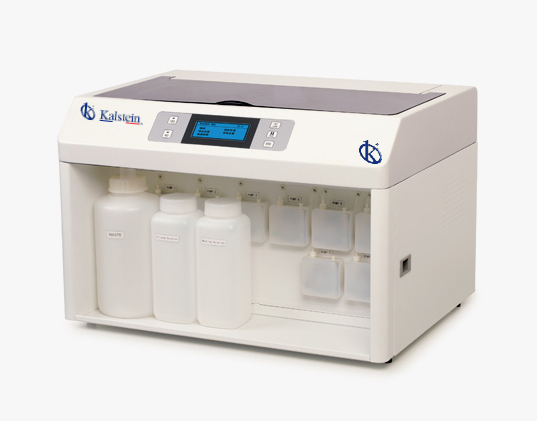
How to Achieve ISO/IEC Compliance in Food Safety Analyzers
In today's laboratory environment, ensuring compliance with ISO/IEC standards is crucial, particularly in the realm of food safety analyzers. Compliance not only guarantees the reliability of test results but also supports regulatory requirements and fosters trust among stakeholders. This article delves into how various food safety analyzers can help meet ISO/IEC standards, outlining specific models and their features that facilitate such compliance.
Understanding ISO/IEC Standards Relevant to Food Safety Analyzers
ISO/IEC standards provide a framework for quality assurance in laboratory practices. For food safety analyzers, the most relevant standards include ISO 17025 and ISO 15189. ISO 17025 specifies the general requirements for the competence of testing and calibration laboratories, ensuring that they produce valid results. Additionally, ISO 15189 applies specifically to medical laboratories, providing quality management requirements and specific criteria for medical testing.
Each food safety analyzer must demonstrate its capability to meet these standards by establishing a quality management system, undergoing regular audits, and maintaining comprehensive documentation. Instrument performance must also be verified against these standards to ensure accurate and reproducible results across various testing scenarios.
Comparison of Available Models
| Model | ISO/IEC Clauses Covered | Traceability Features | Best For |
|---|---|---|---|
| YR06090 | ISO 17025 | High precision dispensing and multi-temperature incubation | High-demand clinical laboratories |
| YR06089 | ISO 15189 | Multiple assay capabilities with memory for 10,000 results | Food safety testing for residues and contaminants |
| YR06093 | ISO 17025 | Temperature control with ±0.5°C precision | Incubation and agitation in laboratory settings |
The Role of Each Model in Compliance
Automated Unique Immunology Analyzer YR06090
The YR06090 is designed to optimize immunology processes, processing up to 40 strips per run. This model supports ISO 17025 compliance through its high precision in volume dispensing and incubation capabilities. With a temperature control fluctuation of ≤+0.2°C, it guarantees consistent results critical for regulatory adherence.
Food Safety Analyzer YR06089
This analyzer is especially beneficial for detecting pesticide residues and organic contaminants, aligning with ISO 15189 standards. Its capability to perform multiple assays on a single 96-well plate enhances efficiency while maintaining traceability through its memory for extensive test results, thus ensuring compliance with documentation requirements.
Analyzer and Microplate Incubator Shaker YR06093
The YR06093 serves a dual purpose, providing both incubation and agitation for microplates. Its precise temperature control and compatibility with different assay types make it essential for laboratories focusing on ISO 17025 compliance. Maintaining optimal conditions is key to achieving reliable test results.
Common Mistakes and How to Avoid Them
Laboratory professionals must avoid overlooking the importance of proper documentation, as it is a common pitfall that can lead to non-compliance. Regular training and audits can mitigate this risk. Additionally, failing to calibrate instruments regularly can result in inaccurate results, undermining compliance efforts. Implementing a calibration schedule and utilizing models like YR06090 can enhance quality assurance practices.
Ensuring Traceability and Documentation
Traceability is vital for compliance with ISO standards. Each food safety analyzer should provide clear documentation of calibration and validation processes. Utilizing models like the YR06089, which can store up to 10,000 test results, ensures that all data is easily accessible and traceable, supporting transparency and accountability in laboratory operations.
Strategies for Successful ISO/IEC Compliance
Establishing a robust quality management system is crucial for compliance. This can be achieved by developing standard operating procedures (SOPs) that incorporate the use of food safety analyzers. Regular internal audits and incorporating feedback mechanisms can help in maintaining high standards and compliance with ISO/IEC norms.
Frequently Asked Questions
How can I ensure compliance with ISO 17025 using a food safety analyzer?
To ensure compliance with ISO 17025, choose a food safety analyzer like the YR06090, which features precise volume dispensing and temperature control. Regular calibration and documentation of results are also essential to meet the standard's requirements.
Which standards apply to the YR06089 food safety analyzer?
The YR06089 is primarily designed to meet ISO 15189 standards, making it ideal for detecting pesticide residues and contaminants. Its ability to handle multiple assays enhances its compliance with rigorous testing protocols.
What are the traceability features of the YR06093?
The YR06093 provides detailed documentation and temperature control precision that supports traceability requirements under ISO 17025. This is crucial for laboratories aiming for consistent and reliable test outcomes.
How often should I calibrate my food safety analyzers?
Calibration frequency should be defined by the laboratory's quality management system. Generally, models like YR06090 and YR06093 should be calibrated periodically to ensure compliance with ISO standards and maintain accuracy in testing.
What documentation is required for ISO compliance in food safety testing?
Documentation for ISO compliance includes calibration records, test results, and SOPs. Using the YR06089 model, which can store extensive test data, can simplify compliance and streamline documentation efforts.
What are the benefits of using ISO-compliant food safety analyzers?
ISO-compliant food safety analyzers like the YR06090 provide reliable test results, enhance laboratory credibility, and ensure regulatory compliance, ultimately leading to improved operational efficiency and trust from stakeholders.
How does YR06090 support high-demand laboratory environments?
The YR06090 supports high-demand environments by processing up to 40 strips per run with high precision. Its design aligns with ISO 17025, making it suitable for laboratories needing efficiency without compromising quality.
What is the role of SOPs in achieving ISO compliance?
Establishing SOPs is critical for maintaining consistency and quality in laboratory practices. They guide the use of food safety analyzers like YR06089, ensuring all processes align with ISO standards and regulatory requirements.
If you are looking for a fusion of innovation and quality, you have come to the right place. At Kalstein, we offer you the luxury of exploring our exclusive catalog of laboratory equipment. We manufacture every device to the highest standards of excellence. Our intuitive and seamless online purchasing channels are designed for your convenience, securing the most competitive prices. Hesitate no longer — we bring science to life, it is time to become part of our community.