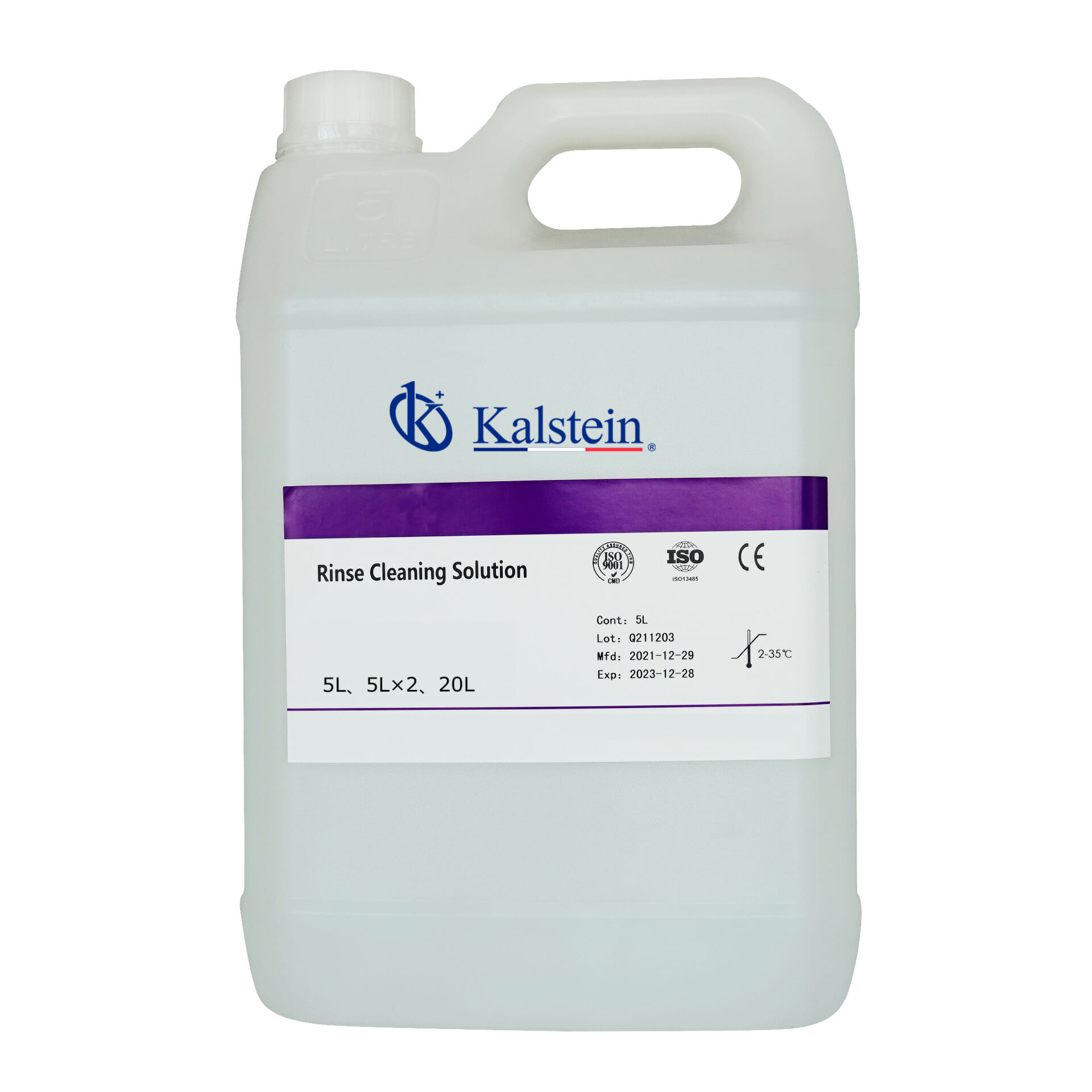
How to Ensure ISO/IEC Compliance with Hematology Reagents in the Laboratory
In today's laboratory environment, compliance with ISO/IEC standards is paramount. This article delves into how hematology reagents contribute to meeting these critical standards, particularly in ensuring the accuracy and reliability of laboratory results. As laboratories gear up for higher standards in testing and analysis, understanding the role of reagents in this framework is crucial.
Understanding ISO/IEC Standards Relevant to Hematology Reagents
The ISO/IEC 17025 is a primary standard that specifies the general requirements for the competence of testing and calibration laboratories. Additionally, ISO 15189 specifically addresses the quality management systems in medical laboratories. These standards ensure that laboratories provide accurate and reliable test results, which heavily depend on the quality of hematology reagents used.
The Role of Hematology Reagents in Compliance
Hematology reagents, such as the YRA45, YRA46, and YRA47, serve various purposes in achieving compliance with ISO/IEC standards. For example, the YRA45 is used as a diluent in the blood cell analyzer process, while YRA46 acts as a lysing agent for red blood cells, thereby facilitating accurate hemoglobin measurements. These functions are critical to fulfilling the requirements laid out by ISO/IEC.
Comparison of Available Models
| Model | ISO/IEC Clauses Covered | Traceability Features | Best For |
|---|---|---|---|
| YRA45 | ISO 17025, ISO 15189 | Batch numbers, expiry dates | Blood cell analysis |
| YRA46 | ISO 17025 | Traceable formulations | Hemoglobin measurement |
| YRA47 | ISO 15189 | Documented procedures | Sample clarification |
| YRA48 | ISO/IEC 17025 | Compliance records | EZ cleaning applications |
| YRA49 | ISO 17025, ISO 15189 | Detailed usage logs | Probe cleaning |
Common Mistakes and How to Avoid Them
One of the most frequent errors in laboratories is the improper selection of hematology reagents based on compliance needs. For instance, using a reagent that lacks traceability features can lead to non-compliance with ISO 17025. Laboratories should ensure that each reagent, like YRA45, is tested and certified to meet necessary standards.
ISO 17025: Key Clauses Impacted by Hematology Reagents
The ISO 17025 standard outlines specific clauses, such as Clause 5: Technical Requirements, which focus on ensuring the accuracy and reliability of tests. Hematology reagents must be validated to meet these requirements. For example, the YRA46 must undergo specific performance evaluations to ensure they provide reliable results.
Traceability and Documentation in Laboratory Settings
Maintaining traceability is essential for compliance. Each batch of reagents should have associated documents that track its production and quality assurance processes. For instance, YRA47 includes documentation to ensure that every use is traceable, meeting both ISO 17025 and ISO 15189 requirements.
Integration of Hematology Reagents with Laboratory Management Systems
Integrating hematology reagents with Laboratory Information Management Systems (LIMS) can greatly enhance compliance. A model like YRA50 can be effectively monitored and recorded through a LIMS, ensuring that all uses, batch numbers, and compliance criteria are easily accessible.
Frequently Asked Questions
How do hematology reagents support compliance with ISO 17025 standards?
Hematology reagents like YRA45 and YRA46 are essential in meeting ISO 17025 standards as they ensure accurate blood analysis, critical for test reliability. Compliance is achieved through careful selection and documentation of reagent usage.
What documentation is required for hematology reagents under ISO 15189?
Under ISO 15189, laboratories must maintain documentation for reagents like YRA47 that includes batch numbers, expiry dates, and performance validation results. This ensures traceability and compliance with quality management systems.
What are the best practices for maintaining hematology reagents?
Best practices include proper storage, regular performance validation, and maintaining detailed records of use. Reagents like YRA48 should be monitored closely to ensure they remain effective and compliant with ISO standards.
How can laboratories ensure continuous compliance with IEC standards?
By regularly auditing the usage and efficacy of hematology reagents such as YRA49 and ensuring they meet IEC standards. Continuous training and documentation also play a vital role in maintaining compliance.
Which hematology reagent is most effective for meeting ISO standards?
The YRA46 is particularly effective for meeting ISO standards due to its reliable performance in lysing red blood cells, ensuring accurate hemoglobin measurements, which are crucial for compliance.
What role does reagent traceability play in laboratory compliance?
Reagent traceability, such as that provided by YRA45, is critical in ensuring compliance with ISO 17025. It allows laboratories to track the quality and effectiveness of their reagents through documented history.
How often should hematology reagents be validated for compliance?
Hematology reagents like YRA47 should be validated regularly, typically every three to six months, to ensure they meet ISO/IEC standards for reliability and accuracy in test results.
Where can I find hematology reagents that meet ISO standards?
Reputable suppliers like Kalstein provide hematology reagents, including models like YRA50, that meet ISO standards. It's important to verify the compliance documentation before making a purchase.
If you are looking for a fusion of innovation and quality, you have come to the right place. At Kalstein, we offer you the luxury of exploring our exclusive catalog of laboratory equipment. We manufacture every device to the highest standards of excellence. Our intuitive and seamless online purchasing channels are designed for your convenience, securing the most competitive prices. Hesitate no longer — we bring science to life, it is time to become part of our community.