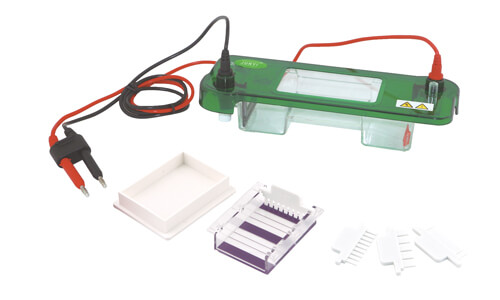
How to Ensure ISO/IEC Compliance with Horizontal Electrophoresis Systems
Horizontal electrophoresis systems are crucial for various laboratory applications, particularly in molecular biology and genetics. As laboratories strive for excellence, ensuring compliance with ISO/IEC standards becomes imperative. This article delves into how different models of horizontal electrophoresis systems can help laboratories meet these critical regulatory requirements, ensuring both efficiency and accuracy in their operations.
Understanding ISO/IEC Standards in Electrophoresis
ISO/IEC standards provide a framework for ensuring quality, reliability, and safety in laboratory practices. Specifically, ISO 17025 and ISO 15189 are vital for laboratories engaged in testing and calibration. They outline the requirements for a quality management system, the competence of personnel, and the validity of results, which are essential for maintaining credibility and trust in laboratory outputs.
Key ISO/IEC Standards Relevant to Horizontal Electrophoresis
ISO 17025 focuses on the general requirements for the competence of testing and calibration laboratories, including the need for proper documentation, equipment calibration, and traceability. ISO 15189 pertains to medical laboratories, emphasizing quality and competence in medical testing. Both standards require laboratories to establish and maintain a quality management system that can affect their operational procedures significantly.
How Horizontal Electrophoresis Models Support Compliance
Each model of horizontal electrophoresis systems available has unique features that can aid in meeting ISO/IEC standards. For instance, models like the Horizontal Electrophoresis Cell YR03415 and YR03420 are designed with flexibility in mind, allowing for varied applications while adhering to strict compliance requirements. Their specifications support traceability, provide documentation, and fit seamlessly into existing quality management systems.
Comparison of Available Models
| Model | ISO/IEC Clauses Covered | Traceability Features | Best For |
|---|---|---|---|
| YR03415 | ISO 17025 | Multiple gel sizes for various experiments | General DNA and RNA analysis |
| YR03416 | ISO 15189 | Integrated buffer volume measurements | High-throughput laboratories |
| YR03417 | ISO 17025 | Customizable gel sizes | Research institutions |
| YR03418 | ISO 15189 | Support for various sample sizes | Clinical labs |
| YR03419 | ISO 17025 | Compliance tracking features | Educational settings |
| YR03420 | ISO 15189 | Flexible buffer solutions | Advanced research applications |
Common Mistakes and How to Avoid Them
One common mistake laboratories make is assuming that any electrophoresis system will suffice for compliance with ISO/IEC standards. It is essential to select a model specifically designed to support these standards. Additionally, neglecting proper training and documentation can hinder compliance. Regular audits and staff training should be a routine part of laboratory operations to maintain adherence to necessary regulations.
Maintaining Compliance Through Regular Calibration and Maintenance
Regular calibration and maintenance of horizontal electrophoresis systems are crucial for ensuring compliance with ISO/IEC standards. Establishing a calibration schedule is essential for maintaining the accuracy of results. Laboratories should document all calibration activities and ensure that they are traceable to national or international standards, as required by ISO 17025.
Advantages of Integrated Electrophoresis Systems
Integrated systems like the YR03416 and YR03419 offer significant advantages, including automated workflows and data management capabilities. These features enhance productivity, reduce human error, and promote compliance with quality management requirements. By incorporating technology into electrophoresis, labs can streamline processes while ensuring adherence to ISO/IEC standards.
Frequently Asked Questions
How can a laboratory ensure compliance with ISO 17025 using horizontal electrophoresis?
To ensure compliance with ISO 17025, a laboratory should choose models like YR03415 that provide customizable features for traceability and documentation. Regular calibration and adherence to operational protocols will support compliance.
Which horizontal electrophoresis model best fits ISO 15189 regulations?
The YR03420 model is ideal for meeting ISO 15189 regulations as it offers flexible buffer solutions and supports accurate documentation necessary for quality medical testing.
What are the traceability features of horizontal electrophoresis systems in compliance?
Models like YR03417 include customizable gel sizes and integrated measurement systems that enhance traceability, ensuring that all experimental setups meet compliance standards.
How often should calibration be performed on horizontal electrophoresis equipment?
Calibration should be performed regularly, ideally every six months or per the manufacturer’s recommendations. For instance, YR03418 requires periodic checks to maintain accuracy and compliance with ISO standards.
What common mistakes should be avoided for ISO compliance in electrophoresis?
Common mistakes include neglecting proper documentation and failing to choose the right model for compliance. Utilizing models like YR03419 ensures adherence to necessary ISO standards by supporting traceability and audit requirements.
How do integrated systems enhance compliance with electrophoresis protocols?
Integrated systems like YR03416 enhance compliance by automating workflows and data management, minimizing errors, and ensuring that results meet ISO/IEC standards through consistent operation and documentation.
Which horizontal electrophoresis model is best for educational institutions?
The YR03419 model is well-suited for educational institutions as it is designed to accommodate various sample sizes and includes features that promote compliance with ISO 17025.
What are the documentation requirements for ISO/IEC compliance in electrophoresis?
Documentation requirements include maintaining records of calibration, maintenance, and operational procedures. Models like YR03415 are equipped to support these documentation needs effectively.
If you are looking for a fusion of innovation and quality, you have come to the right place. At Kalstein, we offer you the luxury of exploring our exclusive catalog of laboratory equipment. We manufacture every device to the highest standards of excellence. Our intuitive and seamless online purchasing channels are designed for your convenience, securing the most competitive prices. Hesitate no longer — we bring science to life, it is time to become part of our community.