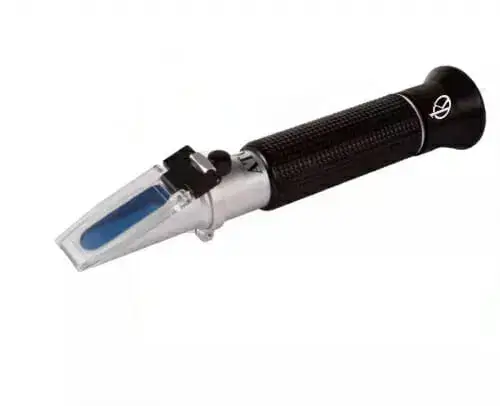
How to Ensure ISO/IEC Compliance with Salinity Refractometers
As laboratory standards evolve, ensuring compliance with ISO/IEC regulations becomes crucial for maintaining operational excellence and trust in results. Salinity refractometers are instrumental in assessing the concentration of salt in various solutions, making them vital tools in laboratories focused on marine biology, water quality, and food production.
Understanding ISO/IEC Standards Relevant to Refractometry
ISO/IEC standards establish frameworks that laboratories must adhere to for quality assurance and reliability of results. Particularly relevant standards include:
- ISO 17025: This standard pertains to the general requirements for the competence of testing and calibration laboratories.
- ISO 15189: Focuses specifically on medical laboratories, ensuring they meet quality and competence requirements.
- IEC 61010: Specifies safety requirements for electrical equipment used in testing and measurement.
Salinity Refractometers and Compliance with ISO/IEC Norms
Salinity refractometers must meet specific clauses outlined in ISO/IEC standards to be compliant. For example, calibration records must be maintained to adhere to ISO 17025 requirements. Models like YR05887, YR05888, and YR05913 provide built-in automatic temperature compensation (ATC), which plays a significant role in ensuring accurate measurements under varying conditions.
Comparison of Available Models
| Model | ISO/IEC Clauses Covered | Traceability Features | Best For |
|---|---|---|---|
| YR05887 | ISO 17025, IEC 61010 | Calibration logs, temperature compensation | Marine laboratories |
| YR05888 | ISO 17025 | Direct readings, user-calibrated settings | Research institutions |
| YR05913 | ISO 15189 | Audit-ready calibration, ATC readings | Clinical settings |
| YR05914 | ISO 17025 | Traceability to international standards | Quality control labs |
Common Mistakes and How to Avoid Them
Laboratories often make mistakes in protocol adherence and calibration, which can lead to non-compliance with ISO/IEC norms. Common pitfalls include:
- Inadequate documentation of calibration processes.
- Failure to maintain equipment within specified operational ranges.
- Neglecting to train personnel on compliance standards.
To avoid these issues, ensure that all laboratory staff are familiar with ISO norms and that regular audits are conducted to verify compliance.
Ensuring Traceability in Salinity Measurements
Traceability is a critical aspect of ISO 17025 compliance. Salinity refractometers should be calibrated against known standards to ensure that results can be traced back to national or international standards. The YR05887 model offers features that help maintain traceability, including automatic documentation of calibration history, which is essential for audits.
Benefits of Automatic Temperature Compensation in Compliance
Models such as the YR05888 utilize automatic temperature compensation (ATC), which adjusts readings based on temperature fluctuations. This feature is crucial for compliance with ISO 17025, as it ensures that measurements are accurate, irrespective of environmental changes.
Data Integrity and Documentation Requirements
Maintaining data integrity is vital for compliance with ISO/IEC standards. Laboratories must ensure that all data collected through salinity refractometers is securely stored and easily accessible. This includes:
- Regularly updating calibration documentation.
- Implementing a secure data management system.
- Ensuring all readings can be cross-referenced with calibration standards.
Adapting to New Regulations and Trends
As ISO/IEC regulations evolve, laboratories must remain adaptable. Staying informed about upcoming changes in standards will help ensure that equipment like salinity refractometers remain compliant. The YR05914, for instance, is designed to accommodate updates in compliance protocols with ease.
Frequently Asked Questions
How do salinity refractometers ensure compliance with ISO 17025?
Salinity refractometers like the YR05887 maintain compliance with ISO 17025 by incorporating features like automatic temperature compensation and detailed calibration documentation, which are essential for accurate measurements.
What calibration standards must salinity refractometers meet for IEC 61010?
Salinity refractometers must be calibrated using standards that comply with IEC 61010 safety requirements. The YR05888 model offers audit-ready calibration features that ensure safety compliance.
Which features help salinity refractometers maintain traceability in lab settings?
Features such as built-in calibration logs in models like YR05913 help maintain traceability, ensuring that readings can be traced back to national and international measurement standards.
What documentation is required for ISO 15189 compliance in clinical labs?
Clinical laboratories using salinity refractometers must maintain detailed documentation of calibration, maintenance records, and testing protocols, such as those provided by the YR05914 model.
How can labs ensure accurate salinity readings with refractometers?
To ensure accurate readings, labs should use models like YR05887 that feature automatic temperature compensation and regular calibration against known standards, in line with ISO 17025.
What are the best practices for maintaining salinity refractometers?
Best practices include regular calibration, ensuring proper storage conditions, and training laboratory personnel on compliance standards, particularly using models like YR05914 for high-quality assurance.
Conclusion
The importance of compliance with ISO/IEC standards in laboratory settings cannot be overstated. Salinity refractometers play a crucial role in ensuring that laboratories meet these strict guidelines. By selecting the right models, such as YR05887 and YR05914, laboratories can ensure they maintain compliance while providing accurate and reliable results.
If you are looking for a fusion of innovation and quality, you have come to the right place. At Kalstein, we offer you the luxury of exploring our exclusive catalog of laboratory equipment. We manufacture every device to the highest standards of excellence. Our intuitive and seamless online purchasing channels are designed for your convenience, securing the most competitive prices. Hesitate no longer — we bring science to life, it is time to become part of our community.