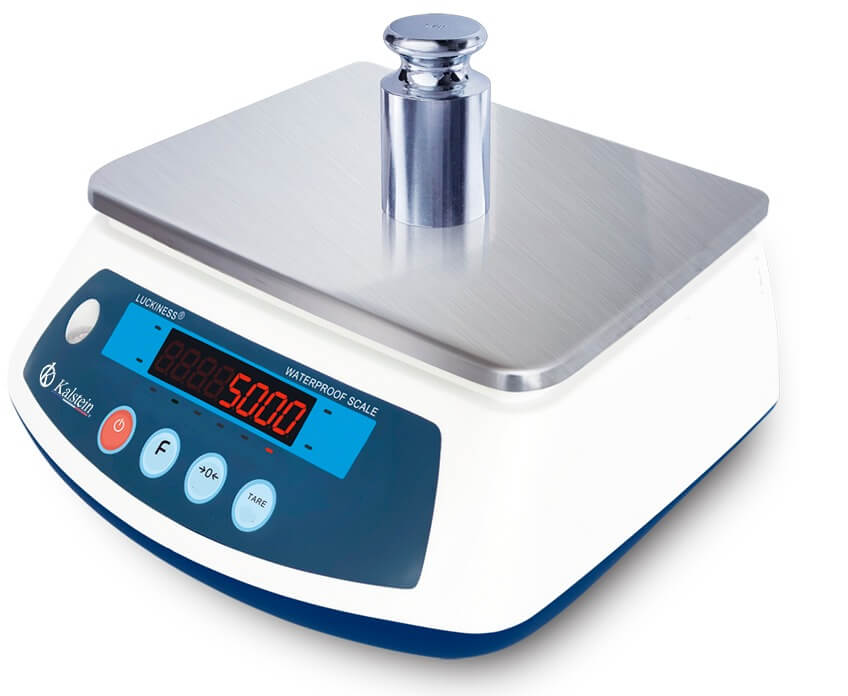
How to Ensure ISO/IEC Compliance with Waterproof Balances in Laboratories
In any laboratory setting, compliance with international standards such as ISO/IEC is crucial for maintaining credibility, ensuring quality, and achieving regulatory approval. Waterproof balances play a significant role in this adherence, particularly in environments where contamination and moisture can affect measurements. This article will delve into the various ISO/IEC standards relevant to laboratory operations and discuss how different models of waterproof balances can help meet these regulations effectively.
Understanding ISO/IEC Standards in Laboratory Settings
ISO/IEC standards define the requirements for laboratory processes, ensuring that laboratories operate consistently and produce valid results. Among these, ISO 17025 is particularly notable, as it specifies the general requirements for the competence of testing and calibration laboratories. Compliance with this standard is essential for laboratories seeking accreditation, and it includes aspects such as management system requirements, technical requirements, and the testing process itself.
Waterproof balances, like the YR05623 and YR05624, are designed to meet specific ISO standards, ensuring accuracy and reliability. The certifications they hold, such as IP68, guarantee that these balances can withstand harsh environments, contributing to their compliance with ISO/IEC regulations.
ISO 17025 and Waterproof Balances: Key Compliance Factors
The requirements of ISO 17025 can be grouped into two main categories: management and technical requirements. Management requirements involve the organization and structure of the laboratory, including quality management and documentation procedures. Technical requirements focus on the actual calibration and testing processes, which waterproof balances significantly affect.
For instance, the YR05625 model offers a maximum capacity of 6 kg with a readability of 0.1 g, making it suitable for precise measurements necessary for compliance. Additionally, the balance's stability and speed can help in meeting the performance criteria set out in the standard.
IEC 61010: Safety Standards for Laboratory Equipment
IEC 61010 provides safety requirements for measuring, controlling, and laboratory equipment. Compliance with this standard ensures the safety of laboratory personnel and the integrity of test results. Waterproof balances must adhere to these safety measures, including electrical safety and protection against environmental factors.
The YR05626 model, with its robust design and waterproof features, effectively aligns with IEC 61010 standards, ensuring that users are protected while achieving accurate measurements.
Documentation Requirements for ISO/IEC Compliance
Proper documentation is vital for ISO/IEC compliance, providing a trail of evidence that demonstrates adherence to standards. This includes maintaining calibration records, test results, and maintenance logs for equipment like waterproof balances. Laboratories must ensure that each balance is appropriately documented to reflect its calibration status and performance history.
Models such as the YR05627 are not only designed for precise measurements, but they also facilitate easy data recording, helping laboratories maintain the necessary documentation effectively.
Traceability and Calibration of Waterproof Balances
Traceability is essential in meeting ISO/IEC standards. It refers to the ability to verify the history, location, or application of the equipment. Waterproof balances must be calibrated regularly against certified standards to maintain traceability. This calibration ensures that the measurements remain valid over time.
For example, the YR05628 model offers a user-friendly calibration process that allows laboratory personnel to maintain accuracy and traceability easily.
Comparison of Available Models
| Model | ISO/IEC Clauses Covered | Traceability Features | Best For |
|---|---|---|---|
| YR05623 | ISO 17025, IEC 61010 | Comprehensive calibration logs | General laboratory use |
| YR05624 | ISO 17025 | Automatic data recording | Moisture-prone environments |
| YR05625 | ISO 17025 | Manual calibration options | Versatile laboratory settings |
| YR05626 | IEC 61010 | Built-in safety features | High safety requirement labs |
| YR05627 | ISO 17025 | Comprehensive documentation | High-throughput testing |
| YR05628 | ISO 17025, IEC 61010 | Easy calibration process | Fieldwork applications |
Common Mistakes and How to Avoid Them
Compliance with ISO/IEC standards can be challenging, and laboratories often make common mistakes that hinder their efforts. One significant error is neglecting regular calibration of equipment, such as waterproof balances, which can lead to inaccurate results and non-compliance.
Another mistake is not maintaining adequate documentation. Laboratories must keep consistent records of calibrations, maintenance, and performance checks to ensure compliance. Using waterproof balances like the YR05623 can simplify this process, as they often come with features that facilitate documentation.
Frequently Asked Questions
How can waterproof balances help in meeting ISO 17025 compliance?
Waterproof balances like the YR05623 provide precise measurements and features that support documentation and calibration, essential for ISO 17025 compliance. Their design allows for accurate readings in challenging environments, ensuring that laboratories maintain standards.
What are the key features of waterproof balances for IEC 61010 compliance?
Models such as the YR05626 offer built-in safety features and robust designs that adhere to IEC 61010 standards. These features ensure protection for users while maintaining accuracy in measurement.
Which waterproof balance is best for laboratories focused on traceability?
The YR05628 model is excellent for laboratories prioritizing traceability due to its easy calibration process and detailed documentation features, ensuring compliance with ISO/IEC standards.
How do I maintain documentation for waterproof balances in my lab?
To maintain documentation, utilize waterproof balances like the YR05627, which include features for automatic data recording. Regularly update calibration logs and performance checks to uphold compliance.
What is the maximum capacity for waterproof balances compliant with ISO standards?
The YR05625 has a maximum capacity of 6 kg with a readability of 0.1 g, making it suitable for various laboratory applications while meeting ISO compliance standards.
How often should waterproof balances be calibrated for compliance?
For compliance with ISO/IEC standards, waterproof balances should be calibrated regularly, typically every 6 to 12 months, depending on usage and laboratory requirements, such as with models like the YR05623.
What are the safety features to look for in waterproof balances for IEC compliance?
Look for models like the YR05626, which include built-in safety features such as protection against environmental factors and electrical safety measures in line with IEC 61010 standards.
Can I integrate waterproof balances with laboratory information systems for better compliance?
Yes, many waterproof balances, including the YR05624, offer connectivity options that allow for integration with laboratory information systems, enhancing compliance and data management.
If you are looking for a fusion of innovation and quality, you have come to the right place. At Kalstein, we offer you the luxury of exploring our exclusive catalog of laboratory equipment. We manufacture every device to the highest standards of excellence. Our intuitive and seamless online purchasing channels are designed for your convenience, securing the most competitive prices. Hesitate no longer — we bring science to life, it is time to become part of our community.