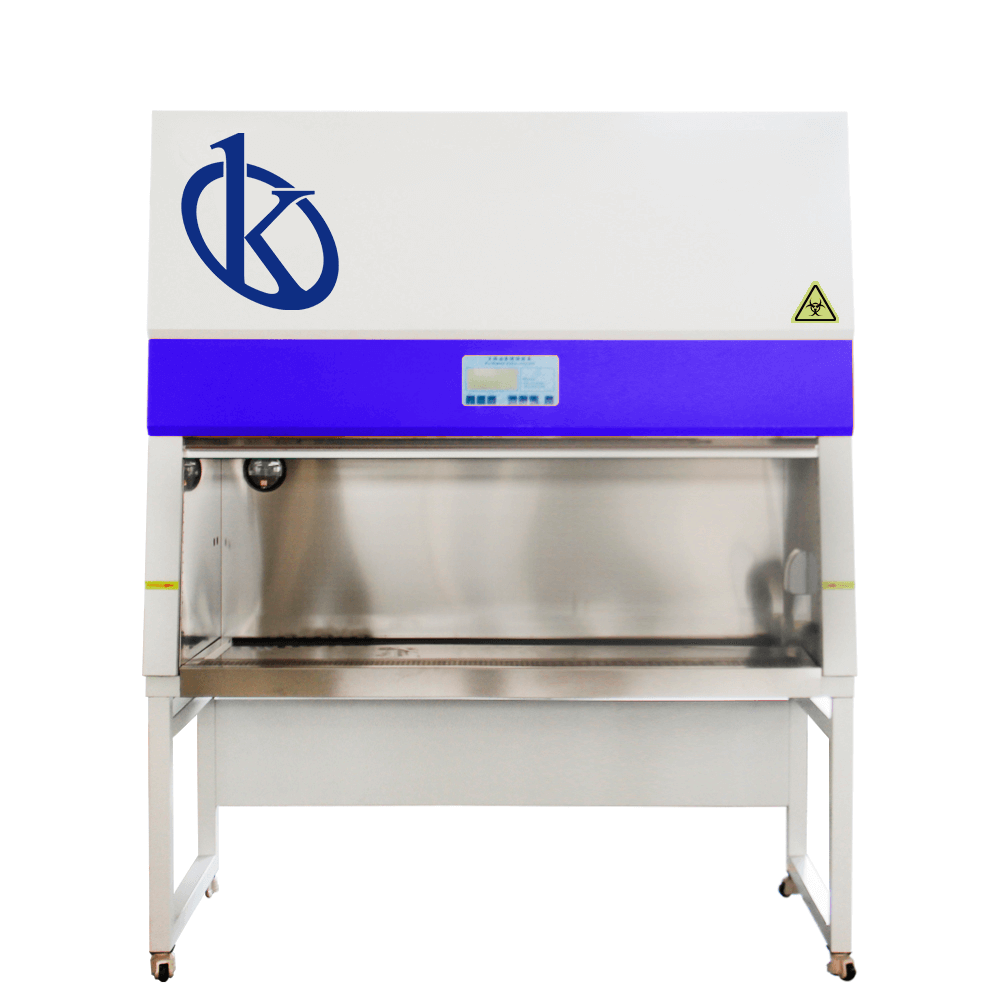
Understanding ISO/IEC Norms and Regulatory Compliance in Class II Biosafety Cabinets
Class II biosafety cabinets are critical in laboratory settings, designed to protect both the user and the environment from harmful biological agents. Compliance with ISO/IEC standards is essential to ensure the safety, reliability, and efficiency of these cabinets. In this article, we will delve into the specific standards applicable to Class II biosafety cabinets, compare various models, discuss common compliance mistakes, and answer frequently asked questions.
ISO/IEC Norms Essential for Class II Biosafety Cabinets
The International Organization for Standardization (ISO) and the International Electrotechnical Commission (IEC) have established several norms that laboratories must adhere to when using biosafety cabinets. Key standards include ISO 14644 for cleanroom environments, ISO 17025 for laboratory competence, and IEC 61010 for safety requirements. Understanding these standards helps labs select the right equipment while ensuring compliance with safety regulations.
Comparison of Available Models
| Model | ISO/IEC Clauses Covered | Traceability Features | Best For |
|---|---|---|---|
| YR05704 | ISO 14644, IEC 61010 | Integrated monitoring | Microbiology laboratories |
| YR05705 | ISO 14644, IEC 61010 | Data logging capabilities | Pharmaceutical research |
| YR05706 | ISO 14644, IEC 61010 | Real-time tracking | Vaccine production |
| YR0090-A | ISO 14644 | Alarm systems | Clinical diagnostics |
| YR05270 | ISO 17025, ISO 14644 | Quality control checks | Academic research |
| YR05271 | ISO 17025, ISO 14644 | Standardized validation | Environmental testing |
Common Mistakes and How to Avoid Them
Many laboratories make mistakes regarding the selection and operation of biosafety cabinets. Common errors include improper installation, neglecting routine maintenance, and failing to comply with ISO/IEC standards. To avoid these pitfalls, ensure proper training for staff, conduct regular audits, and adhere to manufacturer guidelines for setup and operation. This vigilance will help maintain compliance and ensure safety in laboratory settings.
Key ISO/IEC Standards Explained
ISO 14644: Cleanroom Standards
ISO 14644 outlines the cleanliness levels of controlled environments, which is crucial for Class II biosafety cabinets. These cabinets must meet specific particulate levels to ensure that they do not compromise the integrity of sensitive experiments. For instance, models like YR05270 and YR05271 meet Class 5 standards, ensuring a high level of cleanliness vital for sensitive biological research.
ISO 17025: Laboratory Competence
ISO 17025 specifies the general requirements for the competence of testing and calibration laboratories. Compliance with this standard ensures that labs operating biosafety cabinets like YR0090-A are capable of producing valid results and maintaining high-quality performance. Regular training and documentation are essential for compliance.
IEC 61010: Safety Requirements
IEC 61010 provides safety requirements for electrical equipment used in laboratories, including biosafety cabinets. Ensuring that models like YR05706 adhere to these requirements minimizes risks during use, protecting both the operator and the environment from potential hazards.
Risk Assessment and Mitigation in Laboratory Settings
Performing a thorough risk assessment is crucial for identifying potential hazards when using biosafety cabinets. Factors such as the type of biological agents handled, the operational procedures, and equipment maintenance must be analyzed. By implementing risk mitigation strategies and ensuring compliance with relevant ISO/IEC standards, laboratories can enhance safety and reduce the likelihood of accidents.
Enhancing Laboratory Efficiency Through Compliance
Strict adherence to ISO/IEC standards enhances laboratory efficiency by establishing clear protocols and operational procedures. Certified models like YR05704 and YR05271 allow for streamlined workflows, as they are designed with features that facilitate compliance, such as integrated monitoring systems and user-friendly controls. This reduces the potential for errors and optimizes productivity.
Frequently Asked Questions
What are the key ISO standards for Class II biosafety cabinets?
The key ISO standards for Class II biosafety cabinets include ISO 14644 for cleanroom standards and ISO 17025 for laboratory competence. Compliance ensures that the equipment, like the YR05705, operates effectively within controlled environments.
How does IEC compliance impact biosafety cabinet selection?
IEC compliance ensures safety in electrical equipment used in biosafety cabinets. Models such as YR05706 meet IEC 61010 standards, which help protect both operators and the environment from electrical hazards.
Which biosafety cabinet models meet ISO 17025 guidelines?
The YR05270 and YR05271 models comply with ISO 17025, making them suitable for laboratories that require validated results and strict quality control measures in their operations.
How can I ensure my biosafety cabinet meets ISO 14644 standards?
To ensure compliance with ISO 14644, choose models like YR0090-A that are designed to maintain cleanliness levels suitable for sensitive applications. Regular maintenance and monitoring systems are essential to uphold these standards.
What features should I look for in a compliant biosafety cabinet?
Look for features like HEPA filtration, integrated monitoring systems, and alarm functions in models like the YR05704. These features help maintain compliance with ISO and IEC standards, ensuring safety and efficiency in the laboratory.
Can I use a Class II biosafety cabinet for all laboratory applications?
While Class II biosafety cabinets are versatile, they may not be suitable for all applications. For highly hazardous materials, additional containment measures may be required. Assessing the specific needs of your lab is crucial when selecting a model.
What maintenance is required for compliance with ISO standards?
Regular maintenance, including filter replacement and performance validation, is crucial for compliance with ISO standards. Models like YR05271 provide detailed maintenance protocols to ensure ongoing compliance and operational safety.
How can I demonstrate compliance with laboratory regulations?
Demonstrating compliance involves maintaining accurate records of equipment validation, maintenance, and operational procedures. Utilizing models like YR05705, which include data logging features, can assist in maintaining comprehensive documentation for regulatory inspections.
If you are looking for a fusion of innovation and quality, you have come to the right place. At Kalstein, we offer you the luxury of exploring our exclusive catalog of laboratory equipment. We manufacture every device to the highest standards of excellence. Our intuitive and seamless online purchasing channels are designed for your convenience, securing the most competitive prices. Hesitate no longer — we bring science to life, it is time to become part of our community.