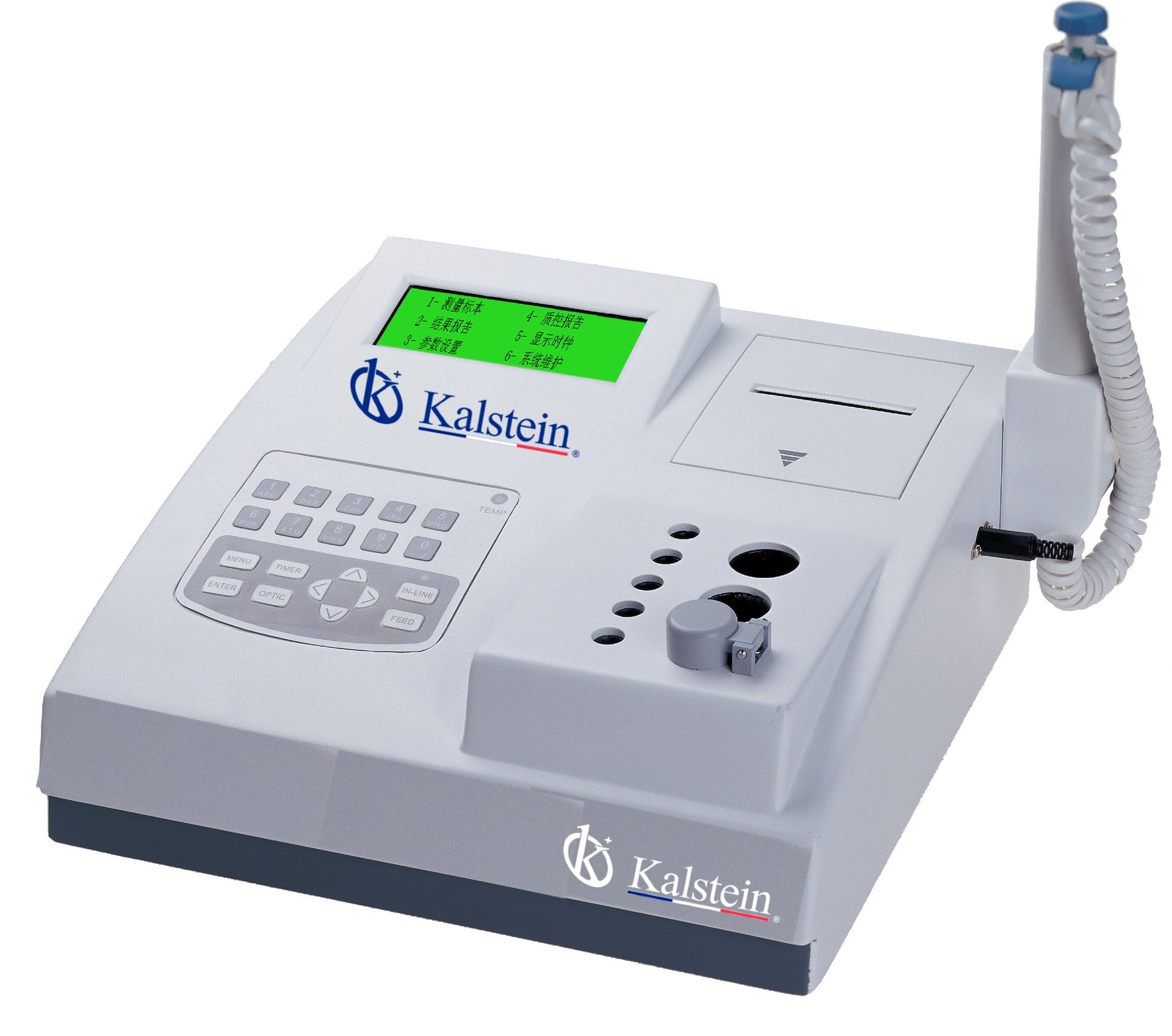
Understanding ISO/IEC Norms and Regulatory Compliance for Coagulation Analyzers
Coagulation analyzers play a critical role in medical laboratories, particularly in diagnostics related to hemostasis. Compliance with ISO/IEC norms ensures that these devices not only meet regulatory requirements but also deliver high-quality results essential for patient care. This article delves into specific ISO/IEC standards, their implications for coagulation analyzers, and how different models compare in facilitating compliance.
ISO/IEC Standards Relevant to Coagulation Analyzers
ISO/IEC standards provide a framework for quality management and technical specifications across various laboratory equipment, including coagulation analyzers. Key standards include:
- ISO 17025: This standard outlines general requirements for the competence of testing and calibration laboratories, emphasizing the need for valid and reliable results.
- ISO 15189: Focused on medical laboratories, this standard regulates quality and competence in laboratory services, ensuring reliability in patient testing.
- IEC 61010: This standard covers the safety requirements for electrical equipment used in measurement, control, and laboratory equipment, ensuring the safety of both operators and patients.
Importance of Compliance in Coagulation Analysis
Compliance with ISO/IEC standards is vital for laboratories as it enhances the accuracy and reliability of test results. Laboratories must ensure that their coagulation analyzers, such as the Coagulation Analyzer YR05117 and YR05118, adhere to these standards to maintain accreditation and provide quality service. Non-compliance can lead to erroneous results, compromising patient safety and laboratory credibility.
How Coagulation Analyzers Meet ISO/IEC Norms
The Coagulation Analyzer YR06083, for example, is designed with advanced optical light combination systems that guarantee precise results, an essential requirement under ISO 17025. Moreover, features like low reagent consumption and high dispensing accuracy help laboratories optimize their operational costs while adhering to regulatory standards.
Comparison of Available Models
| Model | ISO/IEC Clauses Covered | Traceability Features | Best For |
|---|---|---|---|
| YR05117 | ISO 17025, ISO 15189 | Memory for 10,000 test results | Routine PT testing |
| YR05118 | ISO 17025, IEC 61010 | Optical light system | High volume laboratories |
| YR06083 | ISO 17025 | Advanced calibration methods | Automation-oriented labs |
| YR06082 | ISO 15189 | Real-time data monitoring | High throughput testing |
Documentation Requirements for Compliance
Effective documentation is crucial for compliance with ISO/IEC norms. Laboratories must maintain records of calibration, validation, and test results, as these documents serve as proof of adherence to standards. Models like the Coagulation Analyzer YR06082 facilitate this by integrating data management systems that allow for easy tracking and reporting.
Audit Checklists for Regulatory Compliance
Regular audits are necessary to ensure compliance with ISO/IEC standards. An effective audit checklist should include:
- Verification of documentation and records
- Assessment of equipment performance and calibration
- Review of standard operating procedures (SOPs)
- Evaluation of staff training and competency
Using automated systems in analyzers like the YR06083 can streamline this audit process, ensuring data integrity and compliance adherence.
Traceability and Its Importance
Traceability in laboratory testing ensures that results are linked to recognized standards. This is achieved through regular calibration and maintenance of equipment. Coagulation analyzers with built-in memory and reporting features, such as the YR05118, enhance traceability, enabling laboratories to provide reliable data during inspections.
Common Mistakes and How to Avoid Them
Laboratories often encounter challenges in complying with ISO/IEC standards. Common mistakes include inadequate documentation, failure to maintain calibration schedules, and neglecting staff training. To avoid these pitfalls, laboratories should implement a robust quality management system that prioritizes regular training and audits, thus ensuring ongoing compliance.
Frequently Asked Questions
What are the main ISO standards for coagulation analyzers in laboratories?
The main ISO standards include ISO 17025 for testing and calibration laboratories and ISO 15189 for medical laboratories, which ensure quality management and technical competence in coagulation analyzers like the YR05117.
How does compliance with ISO 17025 enhance coagulation analysis accuracy?
Compliance with ISO 17025 requires rigorous quality control and calibration protocols, which enhance accuracy and reliability in coagulation analysis provided by models such as YR06083.
Which coagulation analyzer supports IEC 61010 for safety compliance?
The Coagulation Analyzer YR05118 supports IEC 61010, ensuring that the equipment meets safety requirements critical for operator protection in laboratory settings.
What documentation is necessary for ISO 15189 compliant laboratories?
ISO 15189 requires comprehensive documentation of processes, including test protocols, calibration records, and training logs, which can be efficiently managed with the YR06082 model.
How often should coagulation analyzers be calibrated to meet ISO standards?
Calibration frequency can vary, but generally, it should be done at least annually or whenever significant maintenance occurs, as recommended for devices like the YR05117.
What impact does automated data management have on compliance with ISO standards?
Automated data management significantly enhances compliance by ensuring accurate record-keeping and timely access to documentation, as exemplified by the Coagulation Analyzer YR06083.
How can laboratories reduce errors in coagulation analysis processes?
Implementing standard operating procedures (SOPs) and regular training can significantly reduce errors, ensuring compliance with ISO/IEC standards in laboratories using analyzers like YR05118.
What are the benefits of using open reagent systems in coagulation analyzers?
Open reagent systems, as seen in models like YR05117, allow for greater flexibility in reagent selection, potentially reducing costs and aligning with ISO standards for efficiency in laboratory practices.
If you are looking for a fusion of innovation and quality, you have come to the right place. At Kalstein, we offer you the luxury of exploring our exclusive catalog of laboratory equipment. We manufacture every device to the highest standards of excellence. Our intuitive and seamless online purchasing channels are designed for your convenience, securing the most competitive prices. Hesitate no longer — we bring science to life, it is time to become part of our community.