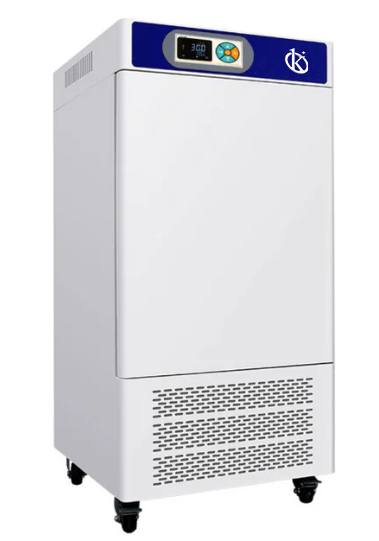
Navigating ISO/IEC Regulatory Compliance in Constant Temperature and Humidity Incubators
In laboratory settings, maintaining a controlled environment is crucial for accurate results and compliance with various standards. Constant Temperature and Humidity incubators are essential for numerous applications, including bioprocessing, medication stability testing, and environmental monitoring. This article explores how these incubators align with ISO/IEC standards, particularly focusing on compliance regulations relevant to the operational framework of laboratories.
Understanding ISO/IEC Norms and Their Importance in Laboratories
The ISO/IEC norms provide a standardized framework for laboratories, ensuring quality and reliability in their operations. Compliance with these norms, such as ISO 17025, is essential for laboratories engaged in testing and calibration activities. Understanding these standards helps labs mitigate risks, ensure accuracy, and enhance operational efficiency.
ISO 17025: Key Requirements and How Incubators Contribute
ISO 17025 specifies the requirements for competence in testing and calibration laboratories. It covers factors such as management, technical requirements, and quality systems. Constant Temperature and Humidity incubators, like the YR02053, play a critical role in meeting the precision and control demanded by this standard. These incubators control variables such as temperature fluctuations to ensure test results are reliable and traceable.
IEC 61010: Safety Standards for Laboratory Equipment
IEC 61010 outlines safety requirements for electrical equipment used in laboratories. This standard ensures that incubators, such as the YR02054, are safe for laboratory use, preventing hazards associated with electrical malfunctions. Compliance with IEC 61010 ensures that all equipment adheres to rigorous safety protocols, protecting both users and samples.
Documentation Requirements for Compliance and How to Achieve Them
Documentation is a vital aspect of regulatory compliance. Laboratories must maintain accurate records of equipment calibration and maintenance, including their Constant Temperature and Humidity incubators. Implementing a robust documentation system ensures that all operational parameters align with ISO/IEC requirements, facilitating easier audits and inspections.
Traceability and Its Role in Laboratory Standards Compliance
Traceability in laboratory testing involves establishing the origin of measurements back to national or international standards. Constant Temperature and Humidity incubators contribute to this by offering precise temperature controls, as seen in the YR02055 model, which maintains temperature within ±0.1°C, ensuring accuracy in test results crucial for compliance with ISO 17025.
Comparison of Available Models
| Model | Temperature Range (°C) | Accuracy (°C) | Fluctuation (%) | Best For |
|---|---|---|---|---|
| YR02053 | 0 ~ 60 | ± 0.1 | ± 0.5 | Environmental Protection, Medicine |
| YR02054 | 0 ~ 60 | ± 0.1 | ± 0.5 | Drug Testing, Health Prevention |
| YR02055 | 0 ~ 60 | ± 0.1 | ± 0.5 | Aquaculture, Biological Engineering |
Common Mistakes and How to Avoid Them
Laboratories often make critical errors regarding regulatory compliance. Common mistakes include insufficient documentation, lack of calibration records, and neglecting equipment maintenance. To avoid these pitfalls, laboratories must establish a comprehensive compliance checklist, regularly audit internal processes, and ensure all equipment, including Constant Temperature and Humidity incubators, is routinely calibrated and maintained according to ISO/IEC standards.
Frequently Asked Questions
How can Constant Temperature and Humidity incubators help meet ISO 17025 standards?
Constant Temperature and Humidity incubators, like the YR02053, help meet ISO 17025 standards by ensuring precise control over environmental conditions, which is critical for achieving accurate and reliable test results. Their capability to maintain temperature within ±0.1°C supports compliance with measurement accuracy requirements.
What documentation is required for laboratory compliance with IEC 61010?
Compliance with IEC 61010 requires detailed documentation of safety tests, calibration records, and maintenance logs for equipment such as Constant Temperature and Humidity incubators. Maintaining records for models like YR02054 ensures that labs can demonstrate adherence to safety standards during audits.
Which model is best for environmental protection applications in labs?
The YR02053 Constant Temperature and Humidity incubator is ideal for applications related to environmental protection, as it provides stable temperature control essential for ecological research and testing. Its design features also support compliance with relevant regulatory standards.
How often should Constant Temperature and Humidity incubators be calibrated for compliance?
Calibration of Constant Temperature and Humidity incubators should ideally be conducted every six months to ensure compliance with ISO 17025 standards. Regular calibration helps maintain the accuracy necessary for valid test results, particularly for models like YR02055.
What are the energy consumption standards for laboratory incubators?
Laboratory incubators, including Constant Temperature and Humidity models, should adhere to energy consumption standards set forth in ISO/IEC guidelines. These standards help ensure that equipment operates efficiently, reducing both operational costs and environmental impact.
How do I ensure traceability with my laboratory incubators?
Ensuring traceability with laboratory incubators involves maintaining detailed records of calibration and maintenance activities, specifically for models like the YR02054, which provide precise environmental controls. This documentation supports compliance with ISO/IEC standards regarding measurement accuracy.
What risks are associated with non-compliance in laboratory incubators?
Non-compliance in laboratory incubators can lead to inaccurate test results, safety hazards, and potential legal ramifications. Utilizing compliant models such as the YR02055 can mitigate these risks by adhering to ISO/IEC standards and ensuring safe operational practices.
What should I include in a compliance checklist for laboratory incubators?
A compliance checklist for laboratory incubators should include calibration schedules, maintenance logs, documentation of safety standards, and operational procedures for models like YR02053. Regular audits against this checklist can help maintain compliance with ISO/IEC standards.
If you are looking for a fusion of innovation and quality, you have come to the right place. At Kalstein, we offer you the luxury of exploring our exclusive catalog of laboratory equipment. We manufacture every device to the highest standards of excellence. Our intuitive and seamless online purchasing channels are designed for your convenience, securing the most competitive prices. Hesitate no longer — we bring science to life, it is time to become part of our community.