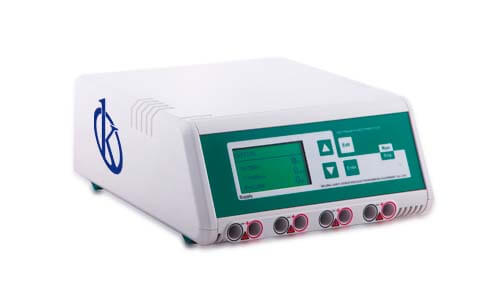
Navigating ISO/IEC Standards and Regulatory Compliance in Universal Power Supplies
In the realm of laboratory operations, adherence to ISO/IEC standards is paramount, especially when it comes to equipment like universal power supplies. Compliance with these regulations not only enhances the quality of laboratory work but also ensures safety and reliability. This article delves into the essential ISO/IEC standards relevant to universal power supplies, examining how specific models meet these regulations and the implications for laboratory professionals.
Understanding ISO/IEC Standards in Laboratory Equipment
The ISO (International Organization for Standardization) and IEC (International Electrotechnical Commission) provide a framework of standards to ensure equipment safety, performance, and interoperability. For laboratory settings, compliance with standards such as ISO 17025 and IEC 61010 is crucial. ISO 17025 pertains to testing and calibration laboratories, focusing on the quality management system, whereas IEC 61010 addresses the safety requirements for electrical equipment used in measurement, control, and laboratory use.
Relevance of Universal Power Supplies in Compliance
Universal power supplies play a vital role in laboratory settings, providing stable power sources for various applications. Their compliance with ISO/IEC standards ensures that they operate safely and effectively, minimizing risks associated with electrical equipment failure. Each model of universal power supply should be evaluated against these standards to determine their suitability for specific laboratory applications.
Model Overview: Compliance with ISO/IEC Standards
To assess how well different universal power supply models comply with ISO/IEC standards, we will examine the following models: YR03400-2, YR03396-2, YR03395-2, YR03397-2, YR03398-2, and YR03399-2. Each model is analyzed for its capabilities, safety features, and compliance with critical standards.
Comparison of Available Models
| Model Code | ISO/IEC Clauses Covered | Traceability Features | Best For |
|---|---|---|---|
| YR03400-2 | ISO 17025, IEC 61010 | Real-time output monitoring | High current applications |
| YR03396-2 | ISO 17025 | Automatic memory function | General laboratory use |
| YR03395-2 | IEC 61010 | Multiple program storage | Electrophoresis applications |
| YR03397-2 | ISO 17025, IEC 61010 | Real-time monitoring | High voltage testing |
| YR03398-2 | ISO 17025 | Memory functions | Research laboratories |
| YR03399-2 | IEC 61010 | Multi-program control | Complex experimental setups |
Common Challenges in Compliance
Laboratories often face challenges in maintaining compliance with ISO/IEC standards due to evolving regulations and the complexity of integrating new technologies. Common issues include outdated equipment that does not meet current standards, improper documentation practices, and a lack of staff training on regulatory requirements. To avoid these pitfalls, regular audits, comprehensive training, and updated equipment checklists are essential.
Specific ISO/IEC Standards and Their Implications
ISO 17025: Quality Management System
ISO 17025 emphasizes the need for a quality management system in testing and calibration laboratories. This standard requires that equipment like universal power supplies provide accurate and reliable outputs. The YR03400-2 model, for instance, features real-time monitoring and can store up to 10 methods of electrophoresis, ensuring compliance with this standard.
IEC 61010: Safety Requirements
IEC 61010 sets the safety standards for electrical equipment used in laboratories. Compliance with this standard ensures that the equipment poses no risk to users. Models such as YR03396-2 and YR03395-2 come equipped with protective features like overload detection and short circuit protection, guaranteeing user safety during operation.
Documentation and Record Keeping
Proper documentation is crucial for ISO/IEC compliance. Laboratories must maintain records of equipment calibration, maintenance, and training. Universal power supply models that offer automatic memory functions, such as YR03397-2, can assist in keeping track of these essential records, simplifying the compliance process.
Case Studies: Practical Applications of Universal Power Supplies
Several laboratories have successfully implemented universal power supplies in compliance with ISO/IEC standards. For example, a research laboratory utilizing the YR03398-2 model reported enhanced accuracy in their testing processes, aligning their quality management system with ISO 17025 requirements. This case exemplifies how adherence to standards not only boosts compliance but also enhances operational efficiency.
Cost Implications of Compliance
Maintaining compliance with ISO/IEC standards can incur costs related to equipment upgrades, staff training, and audit preparations. However, these costs should be weighed against the benefits of enhanced safety and improved laboratory operations. The investment in models like YR03399-2, which streamline compliance tasks through automation, can lead to long-term savings.
Technological Advances and Future Standards
The laboratory equipment landscape is continually evolving, with new technologies emerging that can improve compliance with ISO/IEC standards. Future standards are likely to emphasize digital record-keeping and integration with laboratory information management systems (LIMS). Models equipped with advanced connectivity features, such as the YR03400-2, will be critical in meeting these future requirements.
Common Mistakes and How to Avoid Them
Many laboratories fall short in compliance due to common mistakes such as neglecting regular equipment maintenance, failing to update calibration records, and not keeping staff trained on current standards. To avoid these mistakes, laboratories should establish a routine compliance schedule, invest in training programs, and utilize equipment that facilitates compliance, like the YR03398-2.
Frequently Asked Questions
How do universal power supplies comply with ISO 17025 standards?
Universal power supplies like the YR03400-2 comply with ISO 17025 by ensuring accurate and repeatable outputs essential for testing and calibration. This model features advanced monitoring capabilities to track performance, aligning with the quality management practices outlined in the standard.
Which IEC standards are relevant for laboratory power supplies?
IEC 61010 is the primary standard relevant for laboratory power supplies, which ensures the safety of electrical equipment. Models such as YR03395-2 are designed with multiple safety features that meet this standard, enhancing user safety during laboratory operations.
What are the best practices for maintaining compliance with ISO/IEC standards?
Best practices for maintaining compliance include regular audits, comprehensive staff training, and utilizing equipment that simplifies compliance tasks. For instance, the YR03396-2 model allows for easy storage of operational methods, assisting in adherence to documentation requirements.
How can I ensure traceability in my laboratory's power supplies?
Traceability can be ensured by using power supplies that offer real-time monitoring and data logging features, such as the YR03397-2. This model provides automatic record-keeping capabilities, which are essential for maintaining compliance with ISO/IEC standards.
What financial benefits come from using compliant universal power supplies?
Using compliant universal power supplies leads to financial benefits by reducing operational risks and increasing efficiency. For example, the YR03399-2 model provides features that enhance workflow, ultimately saving costs associated with non-compliance and equipment failures.
How do I choose the right universal power supply for regulatory compliance?
Choosing the right universal power supply involves evaluating models based on their compliance with ISO/IEC standards, safety features, and operational capabilities. Models like YR03400-2 are ideal for high-current applications and meet stringent regulatory requirements.
How often should power supplies be calibrated to meet compliance?
Calibration frequency for power supplies is typically guided by manufacturer recommendations and regulatory requirements. Universal power supplies such as the YR03395-2 should be calibrated regularly, at least annually, to ensure ongoing compliance with applicable ISO/IEC standards.
What features should I look for in a compliant universal power supply?
When selecting a compliant universal power supply, look for features such as overload protection, real-time monitoring, and data logging capabilities. Models like YR03398-2 incorporate these functionalities, ensuring adherence to safety and regulatory standards.
If you are looking for a fusion of innovation and quality, you have come to the right place. At Kalstein, we offer you the luxury of exploring our exclusive catalog of laboratory equipment. We manufacture every device to the highest standards of excellence. Our intuitive and seamless online purchasing channels are designed for your convenience, securing the most competitive prices. Hesitate no longer — we bring science to life, it is time to become part of our community.