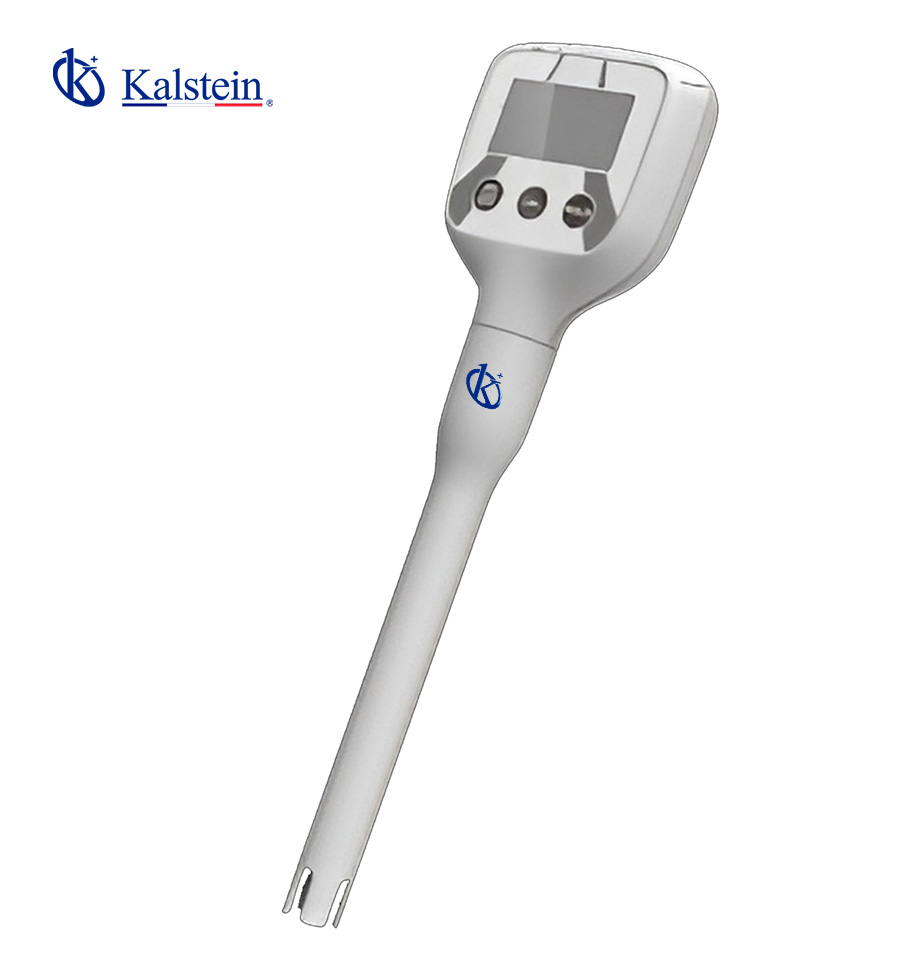
Understanding ISO/IEC Standards and Regulatory Compliance in Portable Conductivity Meters
In today’s highly regulated laboratory environment, compliance with ISO/IEC standards is paramount for ensuring accuracy, reliability, and trust in measurement results. Portable conductivity meters, essential tools in various laboratories, must adhere to these regulations to support operational efficiency and data integrity. This article explores the key ISO/IEC standards relevant to portable conductivity meters, their implications for laboratory practices, and how specific models can help meet these requirements.
ISO/IEC Standards Relevant to Portable Conductivity Meters
Portable conductivity meters must align with several ISO/IEC standards to ensure they provide accurate and reliable data. Major standards include:
- ISO/IEC 17025: This standard specifies the general requirements for the competence of testing and calibration laboratories. Compliance ensures that laboratories produce valid results.
- IEC 61010: This standard pertains to the safety requirements for electrical equipment for measurement, control, and laboratory use, ensuring that devices are safe for operators.
- ISO 15189: This standard focuses on medical laboratories, emphasizing quality and competence in laboratory testing.
Key Features of Portable Conductivity Meters for Compliance
When selecting portable conductivity meters, there are several key features to consider that support compliance with ISO/IEC standards:
- Automatic Calibration: Models like the YR01806 feature automatic calibration, which is crucial for maintaining measurement accuracy.
- Data Logging: The ability to store data helps in maintaining records necessary for audits.
- Temperature Compensation: Ensures accuracy across varying environmental conditions, compliant with ISO requirements.
Comparison of Available Models
| Model | ISO/IEC Clauses Covered | Traceability Features | Best For |
|---|---|---|---|
| YR01805 | ISO/IEC 17025 | Manual calibration standards | Field use, portability |
| YR01806 | ISO/IEC 17025 | Data logging capabilities | General lab use |
| YR01808 | ISO/IEC 17025 | Multi-range calibration | High precision requirements |
| YR01809 | ISO 15189 | Automatic calibration | Medical laboratories |
| YR01810 | IEC 61010 | Safety features | General lab use |
| YR01811 | ISO 15189 | Simple calibration | Low concentration liquids |
Common Mistakes and How to Avoid Them
Laboratories often face challenges when ensuring compliance with ISO/IEC standards. Here are common mistakes to avoid:
- Ignoring Calibration Schedules: Regular calibration is essential for compliance. Implement a schedule based on manufacturer recommendations.
- Neglecting Documentation: Keep detailed records of all calibrations, maintenance, and results to support compliance audits.
- Underestimating Training Needs: Ensure that all personnel understand the importance of compliance and are trained in using the instruments effectively.
Benefits of Portable Conductivity Meters in Compliance
Portable conductivity meters are invaluable in a compliant laboratory setting. They offer:
- Portability: Enables testing in various locations, ensuring compliance across multiple sites.
- Ease of Use: Many models, like the YR01806, feature user-friendly interfaces, simplifying compliance processes.
- Cost-Effectiveness: Reducing the need for stationary equipment saves on space and costs while maintaining compliance.
Ensuring Compliance Through Proper Maintenance
Maintaining your portable conductivity meters is critical to ensuring ongoing compliance with ISO/IEC standards. Here are some best practices:
- Regular Cleaning: Dust and contaminants can affect measurement accuracy; regular cleaning is necessary.
- Routine Calibration: Adhere to a strict calibration schedule to ensure ongoing performance and compliance.
- Battery Management: Ensure batteries are replaced regularly to prevent performance degradation, as seen in models like YR01805.
Understanding the Impact of Portable Conductivity Meters on Laboratory Productivity
Using portable conductivity meters can significantly enhance laboratory productivity. For example, they allow for quick measurements in the field, reducing delays associated with transporting samples back to the lab. This efficiency translates into faster turnaround times and increased throughput for laboratories.
Frequently Asked Questions
What ISO standards should portable conductivity meters comply with in laboratories?
Portable conductivity meters should comply with ISO 17025 for testing and calibration laboratories, as well as IEC 61010 for safety. Models like YR01805 and YR01806 are designed with these standards in mind to ensure accurate and reliable measurement.
How does calibration impact the compliance of portable conductivity meters?
Calibration is essential for compliance with ISO/IEC standards. It ensures that devices, such as the YR01806, provide accurate measurements, thereby maintaining data integrity and reliability in laboratory results.
Which features in portable conductivity meters support regulatory compliance?
Key compliance features include automatic calibration, data logging, and temperature compensation. For instance, the YR01809 offers automatic calibration, making it easier to meet ISO/IEC standards.
What role does traceability play in portable conductivity meter compliance?
Traceability ensures that measurement results can be linked back to recognized standards. Portable conductivity meters like the YR01806 incorporate features that support traceability, helping laboratories demonstrate compliance with ISO/IEC standards.
How can I ensure my portable conductivity meter meets ISO 15189 standards?
To meet ISO 15189 standards, your conductivity meter should have features such as automatic calibration and data logging. Models like the YR01809 provide these features, ensuring compliance in medical laboratories.
What are the consequences of non-compliance in laboratory settings?
Non-compliance can lead to inaccurate results, loss of certification, and potential legal ramifications. Investing in compliant equipment like the YR01810 can help mitigate these risks.
How often should portable conductivity meters be calibrated to maintain compliance?
Calibration frequency depends on usage but should be performed at least annually or more frequently based on the specific laboratory requirements. Regular checks using models like the YR01805 can help maintain compliance.
What is the cost of a compliant portable conductivity meter?
The cost varies by model and features. For example, the YR01811 is priced at $50, while more advanced models like the YR01806 are around $149. Investing in compliant meters supports regulatory adherence and operational efficiency.
If you are looking for a fusion of innovation and quality, you have come to the right place. At Kalstein, we offer you the luxury of exploring our exclusive catalog of laboratory equipment. We manufacture every device to the highest standards of excellence. Our intuitive and seamless online purchasing channels are designed for your convenience, securing the most competitive prices. Hesitate no longer — we bring science to life, it is time to become part of our community.