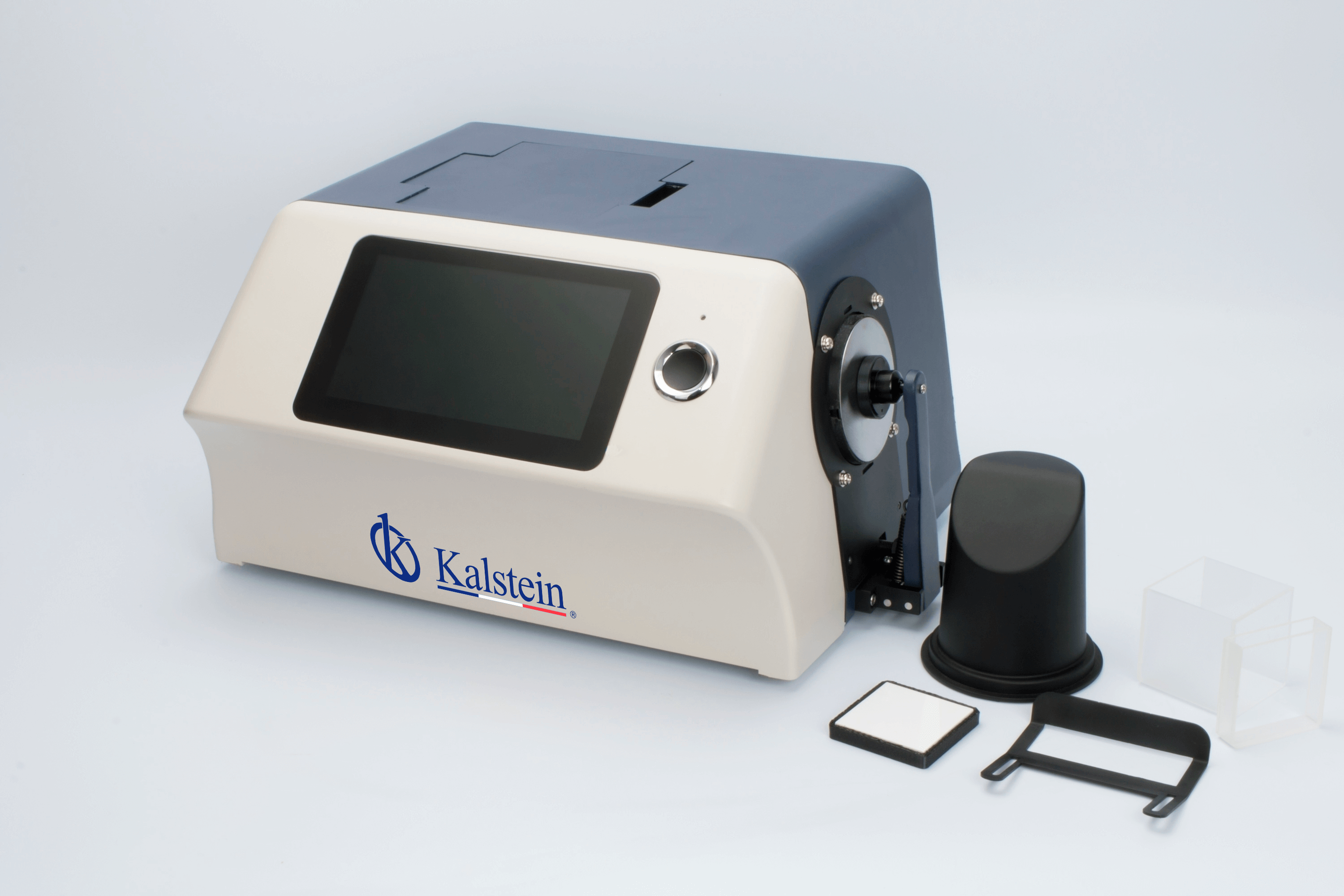
ISO/IEC Standards and Regulatory Compliance in Benchtop Spectrophotometers
In the dynamic landscape of laboratory testing, ensuring compliance with ISO/IEC standards is paramount for benchtop spectrophotometers. These instruments play a crucial role in various laboratory applications, from color analysis to quality control across industries. Understanding the specific norms and regulations that govern these devices can significantly enhance operational efficiency and accuracy.
Understanding ISO/IEC Standards for Laboratory Equipment
ISO (International Organization for Standardization) and IEC (International Electrotechnical Commission) have established a range of standards designed to ensure the safety, quality, and reliability of laboratory equipment, including benchtop spectrophotometers. Key standards relevant to these devices include ISO 17025, which focuses on testing and calibration laboratories, and IEC 61010, which addresses safety requirements.
ISO 17025 outlines the necessary criteria for laboratories to demonstrate their competence in testing and calibration. It includes guidelines on the management system, technical requirements, and ensuring traceability of measurements, which are essential for any lab striving for excellence. Likewise, IEC 61010 provides safety measures that manufacturers must adhere to, ensuring that equipment operates safely and effectively.
ISO 17025 Compliance: Key Considerations
When selecting a benchtop spectrophotometer, understanding how each model aligns with ISO 17025 is critical. This standard emphasizes the importance of traceability, calibration, and method validation. Models such as the YR05474 and YR05475 offer advanced features that help meet these requirements, including built-in calibration tools and the ability to store measurement data securely.
Moreover, compliance with this standard requires regular audits and documentation to ensure that all processes align with the defined quality management system. This can involve maintaining detailed records of calibration intervals, protocols used, and results achieved, which the software integrated with these spectrophotometers can effectively assist in managing.
IEC 61010: Safety Standards in Spectrophotometry
IEC 61010 delineates the safety requirements for electrical equipment used in measurement, control, and laboratory processes. This includes ensuring that benchtop spectrophotometers are designed to prevent electrical hazards and protect users during operation. Models such as the YR05476 and YR05478 are engineered with safety features that comply with these regulations, ensuring user protection while maintaining high performance.
Additionally, manufacturers must provide sufficient user documentation, which should include safety precautions, operational guidelines, and maintenance instructions to comply with IEC 61010. This ensures that operators are well-informed about safe practices when utilizing these devices.
Comparison of Available Models
| Model | ISO/IEC Clauses Covered | Traceability Features | Best For |
|---|---|---|---|
| YR05474 | ISO 17025, IEC 61010 | Built-in calibration tools | Research and Development |
| YR05475 | ISO 17025, IEC 61010 | Data storage capability | Laboratories performing color analysis |
| YR05476 | ISO 17025, IEC 61010 | Comprehensive user documentation | Quality control environments |
| YR05477 | ISO 17025, IEC 61010 | Traceability in measurements | General laboratory use |
| YR05478 | ISO 17025, IEC 61010 | Integrated software for tracking | Textile and paint industries |
| YR05482 | ISO 17025, IEC 61010 | Non-contact measurement validation | Food and cosmetic industries |
Documenting Compliance: Best Practices
Maintaining thorough documentation is indispensable for compliance with ISO/IEC standards. Each laboratory should develop a strategy for documenting procedures, calibration results, and equipment maintenance activities. This can involve the creation of standard operating procedures (SOPs) that detail each testing process, ensuring that all personnel adhere to consistent practices.
In addition, Labs must also implement a traceability system that allows them to track all measurements back to recognized standards. This is essential for demonstrating compliance during audits and ensuring that results can be relied upon.
Common Mistakes and How to Avoid Them
One of the most common mistakes in laboratories is neglecting the importance of routine calibration. Failing to adhere to recommended calibration schedules can lead to inaccuracies in results and, consequently, affect compliance with ISO/IEC standards. Laboratories should establish a strict calibration plan that includes intervals for each model, such as those provided by YR05474 and YR05475, to prevent this issue.
Another mistake is inadequate training of personnel who operate the spectrophotometers. Ensuring that users understand both the operational and safety aspects of the equipment is crucial. Regular training sessions and comprehensive user manuals for each model can help mitigate this problem.
Frequently Asked Questions
How can I ensure my benchtop spectrophotometer complies with ISO 17025?
To ensure compliance with ISO 17025, select models like YR05474 that include built-in calibration and data management features. Regular audits and comprehensive documentation of testing methods and results are also essential to maintain compliance.
What safety features should I look for in a benchtop spectrophotometer according to IEC 61010?
Look for models that adhere to IEC 61010, such as YR05476, which include safety features like user-friendly interfaces and clear operational guidelines to reduce the risk of electrical hazards during use.
Which regulatory standards should a laboratory follow for color analysis using spectrophotometers?
Laboratories performing color analysis should follow ISO 17025 for quality testing and calibration, as well as IEC 61010 for equipment safety. Models like YR05475 are designed to meet these standards effectively.
How does proper calibration affect compliance with ISO 17025?
Proper calibration is critical for ISO 17025 compliance, as it ensures accuracy and reliability in measurements. Models like YR05478 offer integrated calibration tools that facilitate adherence to these standards.
What are the best practices for documenting compliance with IEC 61010?
Best practices include maintaining detailed records of safety checks, user training, and operational procedures. Models like YR05482 provide comprehensive documentation to aid compliance with IEC 61010.
How often should I calibrate my benchtop spectrophotometer?
Calibration intervals depend on usage but should be at least annually to comply with ISO 17025. Models such as YR05477 help establish effective tracking for calibration schedules.
What advantages do non-contact benchtop spectrophotometers offer for compliance?
Non-contact models like YR05482 minimize the risk of cross-contamination and ensure consistency in measurements, which is vital for compliance with ISO 17025 and IEC 61010.
How can I improve laboratory efficiency while complying with ISO/IEC standards?
Improving efficiency can be achieved through the selection of user-friendly models like YR05476 that offer advanced software for data management and analysis, ensuring compliance while streamlining laboratory processes.
If you are looking for a fusion of innovation and quality, you have come to the right place. At Kalstein, we offer you the luxury of exploring our exclusive catalog of laboratory equipment. We manufacture every device to the highest standards of excellence. Our intuitive and seamless online purchasing channels are designed for your convenience, securing the most competitive prices. Hesitate no longer — we bring science to life, it is time to become part of our community.