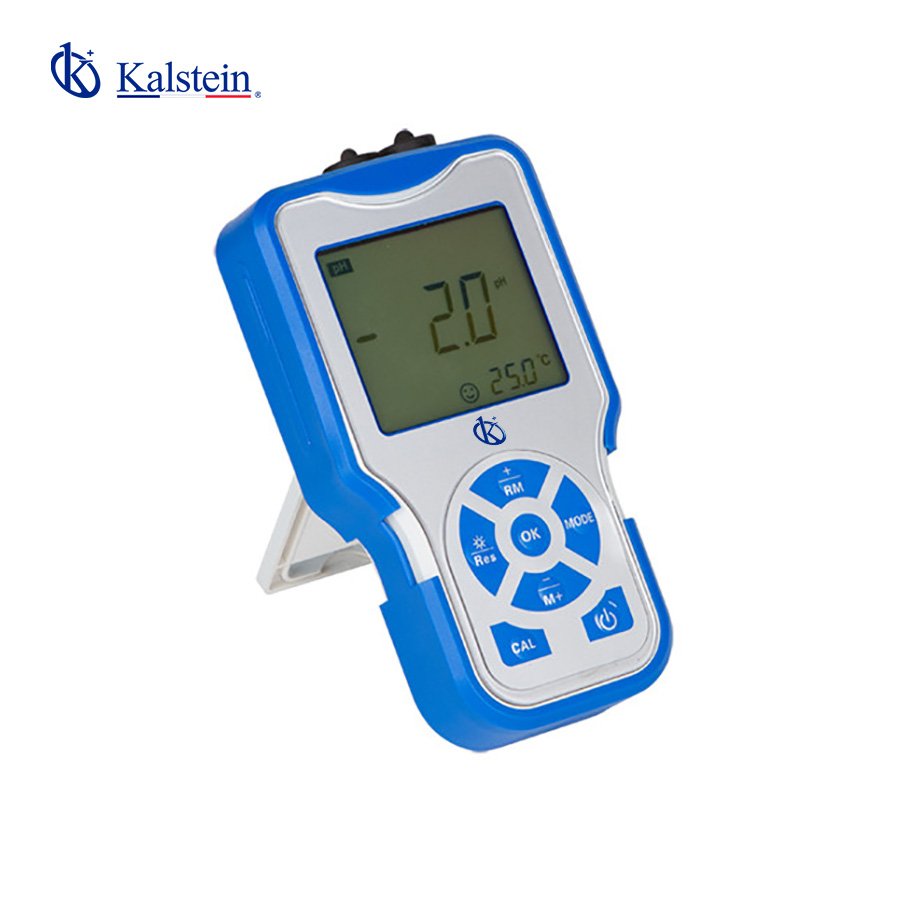
ISO/IEC Standards and Regulatory Compliance in Portable Ion Meters: A Comparative Analysis
In today's rapidly evolving laboratory environment, compliance with ISO/IEC standards is essential for ensuring accuracy, reliability, and credibility in measurements. Portable ion meters serve a crucial role in various analytical applications, particularly in settings where mobility and rapid assessments are necessary. This article delves into the compliance of portable ion meters with ISO/IEC standards, focusing on their technical features, calibration processes, and how different models can meet regulatory requirements.
Understanding ISO/IEC Standards Relevant to Portable Ion Meters
The ISO/IEC standards govern the quality and reliability of laboratory measurements. Key standards relevant to portable ion meters include ISO 17025, which specifies general requirements for the competence of testing and calibration laboratories, and ISO 15189, focusing on medical laboratories. Compliance with these standards ensures that portable ion meters produce valid results that can be trusted in critical applications, such as environmental monitoring and clinical diagnostics.
Comparison of Available Models
| Model | ISO/IEC Clauses Covered | Traceability Features | Best For |
|---|---|---|---|
| YR01816 | ISO 17025 | 2-5 Point Calibration, Auto Diagnostics | Research Labs |
| YR01817-1 | ISO 17025 | 8 Calibration Points, LCD Diagnostics | Environmental Analysis |
| YR01817-10 | ISO 15189 | 8 Calibration Points, Temp Compensation | Field Testing |
| YR01817-11 | ISO 15189 | 8 Calibration Points, LCD Diagnostics | Clinical Applications |
| YR01817-12 | ISO 17025 | 2-5 Point Calibration, Auto Diagnostics | Water Quality Testing |
| YR01817-13 | ISO 17025 | 8 Calibration Points, LCD Diagnostics | Industrial Applications |
Key Features Ensuring Compliance
Portable ion meters are designed with features that enhance compliance with ISO/IEC standards. For instance, the YR01816 model offers a comprehensive calibration range from 2 to 5 points, ensuring that users can select the appropriate calibration method for their measurements. Additionally, the automatic electrode diagnostics ensure that users are informed about calibration points and any necessary adjustments, thereby reinforcing compliance with quality standards.
Calibration Processes and Their Importance
Calibration is a fundamental aspect of ensuring compliance with ISO/IEC standards. Regular calibration of portable ion meters, such as the YR01817-1, is necessary to maintain the accuracy and reliability of measurements. This model provides the capability for low-to-high concentration calibrations, ensuring adaptability in various analytical environments. By following proper calibration procedures, laboratories can adhere to the stringent requirements set forth in ISO 17025.
Common Mistakes and How to Avoid Them
Laboratories often make several common mistakes when using portable ion meters that can jeopardize compliance with ISO/IEC standards. One frequent oversight is neglecting regular calibration checks. For example, the YR01817-10’s 8-point calibration ensures accurate results; however, if not calibrated regularly, results may deviate from expected values. It is crucial to establish a routine calibration schedule and document all calibration activities to maintain compliance and traceability.
Frequently Asked Questions
How do portable ion meters meet ISO 17025 requirements for accuracy?
Portable ion meters like the YR01816 fulfill ISO 17025 requirements through precise calibration capabilities and automatic diagnostics. With calibration options ranging from 2 to 5 points, laboratories can ensure their measurements remain accurate and compliant with regulatory standards.
What are the traceability features of portable ion meters under ISO/IEC standards?
Models such as the YR01817-1 provide extensive traceability features, including multiple calibration points and automated diagnostics. These features offer laboratories the reassurance that their measurements are traceable and meet the requirements of ISO/IEC standards.
Which portable ion meter is best for environmental analysis compliance?
The YR01817-1 is ideal for environmental analysis. It supports 8 calibration points and provides automatic diagnostics, ensuring compliance with ISO 17025, which is critical for reliable data in environmental monitoring.
How often should portable ion meters be calibrated to comply with ISO 15189?
To comply with ISO 15189, portable ion meters such as the YR01817-10 should be calibrated regularly, ideally after every few uses or before critical measurements. This ensures accuracy and reliability in clinical settings.
What are the benefits of using portable ion meters in laboratories under ISO/IEC regulations?
Portable ion meters like the YR01816 enhance laboratory efficiency and compliance with ISO/IEC regulations by allowing rapid and accurate measurements. Their portability makes them suitable for both field and laboratory environments.
How can laboratories ensure traceability with portable ion meters?
Laboratories can ensure traceability with portable ion meters by utilizing models such as the YR01817-12 that feature multiple calibration options and proper documentation of calibration activities, meeting ISO 17025 requirements.
What is the role of automatic diagnostics in portable ion meters?
Automatic diagnostics, as seen in the YR01817-11 model, play a crucial role in ensuring compliance by informing users of calibration status and any required adjustments, thus maintaining accuracy within the standards set by ISO/IEC.
How do portable ion meters contribute to quality assurance in laboratories?
Portable ion meters contribute to quality assurance by providing consistent and accurate readings that comply with international standards like ISO 17025. Models such as the YR01817-13 help laboratories maintain high-quality measurement practices.
To sum up, the integration of ISO/IEC standards into the use of portable ion meters is vital for laboratories aiming to ensure measurement accuracy and compliance. Laboratories must carefully select models based on their specific requirements and establish robust calibration and documentation processes. Doing so not only enhances regulatory compliance but also boosts the credibility of their measurements.
If you are looking for a fusion of innovation and quality, you have come to the right place. At Kalstein, we offer you the luxury of exploring our exclusive catalog of laboratory equipment. We manufacture every device to the highest standards of excellence. Our intuitive and seamless online purchasing channels are designed for your convenience, securing the most competitive prices. Hesitate no longer — we bring science to life, it is time to become part of our community.