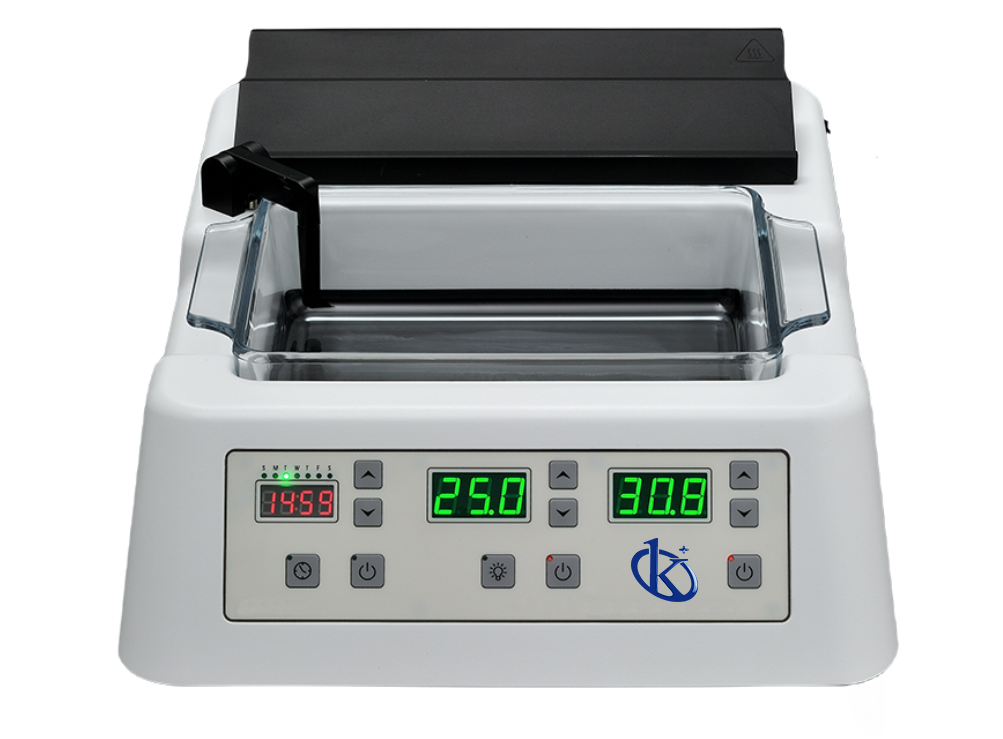
Understanding ISO/IEC Standards for Tissue Flotation Compliance in Laboratories
In the realm of pathological anatomy, the quality and reliability of tissue flotation processes are essential for diagnostic accuracy. Compliance with ISO/IEC standards is not merely a regulatory requirement but a commitment to excellence in laboratory practices. This article delves into the implications of ISO/IEC standards, focusing on how various tissue flotation models meet these requirements, ensuring quality control, and enhancing laboratory workflows.
ISO/IEC Norms and Their Importance in Tissue Flotation
The ISO/IEC standards establish benchmarks for quality management systems and ensure consistent results across laboratories. In tissue flotation, compliance with standards such as ISO 17025 and ISO 15189 is crucial. ISO 17025 emphasizes the need for technical competence and the validity of results, whereas ISO 15189 focuses on the quality management of medical laboratories. Adhering to these standards not only assures reliability but also enhances the credibility of laboratory findings.
Key ISO/IEC Standards Relevant to Tissue Flotation
Understanding specific ISO and IEC standards is vital for laboratories engaged in tissue flotation. Key standards include:
- ISO 17025: Governs the competence of testing and calibration laboratories.
- ISO 15189: Addresses quality and competence in medical laboratories.
- IEC 61010: Relates to the safety requirements of electrical equipment used in measurement, control, and laboratory processes.
Overview of Tissue Flotation Models and Compliance
This section focuses on multiple models of tissue flotation workstations, comparing their specifications and regulatory compliance features to help laboratories make informed decisions.
Comparison of Available Models
| Model | ISO/IEC Clauses Covered | Traceability Features | Best For |
|---|---|---|---|
| YR457-1 | ISO 17025, ISO 15189 | Automatic memory and restoration functions | Versatile laboratory settings |
| YR456 | ISO 17025 | Real-time temperature monitoring | Standardized tissue processing |
| YR457 | ISO 15189 | Microprocessor-controlled temperature | High-throughput labs |
Common Mistakes and How to Avoid Them
Many laboratories face pitfalls in maintaining compliance with ISO/IEC standards. Common mistakes include inadequate documentation, lack of proper training, and failure to regularly calibrate equipment. To mitigate these risks, laboratories should implement a robust quality management system, conduct regular audits, and invest in training sessions for staff. Utilizing models like the YR457-1 with automatic memory functions can significantly enhance compliance efforts.
Best Practices for ISO/IEC Compliance in Tissue Flotation
To ensure compliance with ISO/IEC standards, laboratories should adopt the following best practices:
- Implement a stringent quality management system that encompasses all aspects of laboratory operations.
- Regularly train staff on compliance requirements and best practices.
- Utilize advanced tissue flotation workstations like YR456, which offer real-time monitoring and automatic controls.
- Conduct regular audits and maintain thorough documentation of all processes.
Calibration and Maintenance of Tissue Flotation Equipment
Calibration of tissue flotation workstations is essential to maintain compliance with ISO/IEC standards. Laboratories should develop a detailed calibration schedule based on manufacturer recommendations, incorporating regular checks for temperature precision and operational integrity. For example, the YR457 model maintains temperature control precision within ±2℃, making it suitable for precise applications.
What is the calibration schedule for tissue flotation workstations?
A calibration schedule for tissue flotation workstations should include monthly checks for temperature accuracy and function verification. Models such as YR456 and YR457 are designed to facilitate easy calibration procedures, ensuring compliance with standards like ISO 17025.
How do tissue flotation workstations help meet ISO 17025 standards?
Tissue flotation workstations like the YR457-1 are engineered to meet ISO 17025 standards by incorporating features such as automatic temperature control and traceable calibration functions. This ensures that all testing processes are conducted under controlled conditions, thus enhancing reliability.
Energy Consumption and Sustainability in Tissue Flotation
Laboratories are increasingly focusing on sustainability and reducing their carbon footprint. Tissue flotation models should be evaluated for their energy consumption and operational efficiency. For example, the YR456 model is designed to optimize energy usage while maintaining performance standards, aligning with sustainability goals without compromising diagnostic quality.
Frequently Asked Questions
How can I ensure my tissue flotation process is compliant with ISO 15189?
To ensure compliance with ISO 15189, laboratories should utilize models like YR457 that are designed to meet quality management standards and conduct regular internal audits to verify adherence to procedures.
What features should I look for in a tissue flotation workstation for regulatory compliance?
When selecting a tissue flotation workstation, look for features like automatic memory restoration, real-time temperature monitoring, and compliance with ISO/IEC standards such as ISO 17025, as seen in models like YR456.
How do I integrate a tissue flotation model with my laboratory's existing quality management system?
Integrating a tissue flotation model like the YR457-1 with your quality management system involves mapping its features to existing protocols, ensuring that all compliance standards are met throughout the workflow.
What are the traceability features in tissue flotation equipment?
Traceability features in tissue flotation equipment, such as those in the YR457 model, include automatic memory for preset temperatures and operational data that ensure accurate record-keeping and compliance with ISO standards.
Which tissue flotation workstation is best for high-throughput laboratories?
The YR457 model is particularly suited for high-throughput laboratories due to its advanced temperature control and efficiency features, enabling compliance with both ISO 17025 and ISO 15189 standards.
What are the risks of non-compliance with ISO/IEC standards in tissue flotation?
Non-compliance with ISO/IEC standards can lead to inaccurate results, potential damage to laboratory credibility, and legal repercussions. Utilizing compliant models like YR456 minimizes these risks.
How can energy-efficient tissue flotation models contribute to sustainability goals?
Energy-efficient tissue flotation models, such as the YR456, contribute to sustainability goals by reducing overall energy consumption, thus lowering operational costs and the laboratory's carbon footprint while achieving compliance with ISO standards.
What documentation is required for ISO 17025 compliance in tissue flotation labs?
Documentation for ISO 17025 compliance includes quality management system records, calibration logs, and operational procedures. Utilizing models like YR457-1 aids in maintaining comprehensive logs that support compliance requirements.
If you are looking for a fusion of innovation and quality, you have come to the right place. At Kalstein, we offer you the luxury of exploring our exclusive catalog of laboratory equipment. We manufacture every device to the highest standards of excellence. Our intuitive and seamless online purchasing channels are designed for your convenience, securing the most competitive prices. Hesitate no longer — we bring science to life, it is time to become part of our community.