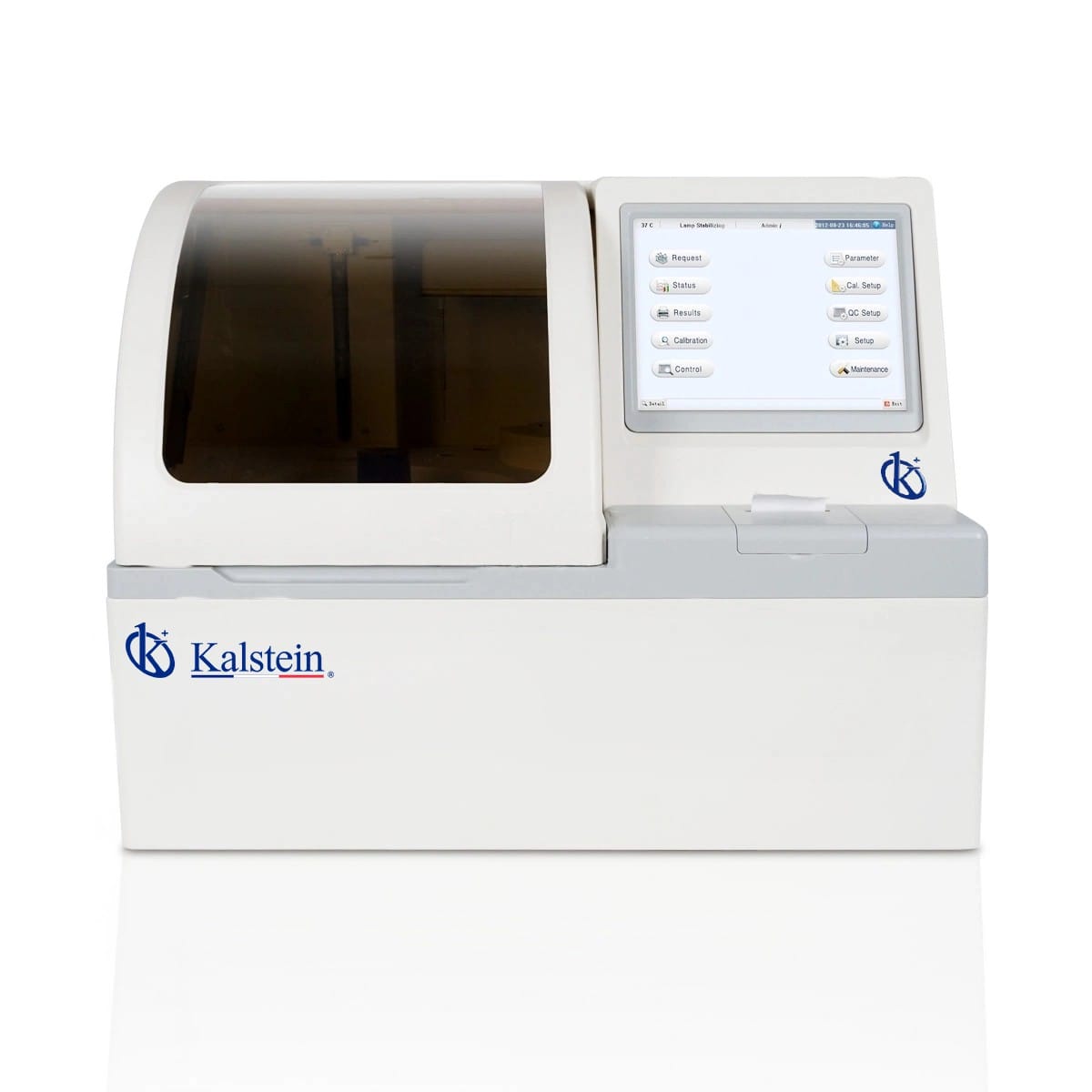
Navigating ISO/IEC Norms and Regulatory Compliance in Veterinary Chemistry Analyzers
In the evolving landscape of veterinary diagnostics, adhering to ISO/IEC standards is fundamental for ensuring accuracy, reliability, and safety in laboratory results. This article explores how various veterinary chemistry analyzers comply with these norms, focusing on the models available for veterinary professionals. Understanding these standards not only enhances operational efficiency but also ensures that laboratories provide high-quality diagnostics for animal health.
Understanding ISO/IEC Standards in Veterinary Laboratories
ISO/IEC standards provide frameworks that ensure laboratories meet specific quality and operational criteria, including ISO 17025 and ISO 15189. These standards set guidelines for laboratory management, ensure competency in testing and calibration, and promote continuous improvement. Compliance with these standards is crucial for any veterinary laboratory aiming to achieve accreditation and enhance its operational credibility.
ISO 17025: Key Clauses and Their Importance
ISO 17025 is the primary standard for testing and calibration laboratories, outlining the requirements for their competence. Key clauses include management requirements, technical requirements, and documentation, all essential for quality assurance. Laboratories utilizing veterinary chemistry analyzers must implement procedures that align with these clauses to maintain compliance and ensure reliable test results.
Management Requirements
Under the management requirements of ISO 17025, laboratories must establish a management system, ensure personnel competence, and manage records effectively. This involves regular audits and reviews to confirm adherence to protocols. For instance, the Automatic Veterinary Chemistry Analyzer YR06168 supports management systems through its multilingual software, enhancing user accessibility and operational documentation.
Technical Requirements
Technical requirements include the validation of methods, equipment calibration, and test reliability. The Portable Veterinary Chemistry Analyzer YR06169, with its rapid testing capabilities, facilitates compliance by ensuring timely and accurate results, crucial for veterinary diagnostics.
ISO 15189: Aligning Veterinary Diagnostics with Clinical Standards
ISO 15189 specifically addresses the quality and competence of medical laboratories, including veterinary diagnostics. It emphasizes the importance of a quality management system tailored to the specific needs of the veterinary field. Laboratories must demonstrate their ability to deliver accurate and precise results, linking each analysis back to compliance standards.
Quality Management Systems
Implementing a quality management system is vital for veterinary laboratories. The Quantitative Veterinary Immunofluorescence Analyzer YR06172 supports compliance with ISO 15189 by providing detailed QC protocols, ensuring that the results align with clinical expectations.
IEC 61010: Ensuring Safety in Laboratory Equipment
IEC 61010 pertains to safety requirements for electrical equipment used in laboratories. Compliance with this standard is critical for minimizing risks associated with laboratory operations. Veterinary chemistry analyzers must undergo rigorous testing to ensure they meet these safety standards, protecting both the operators and the animals.
Audit Checklists for ISO/IEC Compliance
Regular audits are essential for maintaining compliance with ISO/IEC standards. Creating a checklist that encompasses all the relevant criteria helps laboratories prepare for internal and external audits. Key points should include equipment calibration schedules, personnel training records, and documentation of standard operating procedures.
Comparison of Available Models
| Model | ISO/IEC Clauses Covered | Traceability Features | Best for |
|---|---|---|---|
| YR06168 | ISO 17025, ISO 15189 | Multilingual software for record management | High-throughput laboratories |
| YR06169 | ISO 17025 | Integrated testing protocols | Point-of-care testing |
| YR06172 | ISO 15189 | QC protocols and image storage | Immunofluorescence diagnostics |
| YR06174 | IEC 61010 | In-built safety alarms | Critical care settings |
| YR06077 | ISO 17025 | Data management interfaces | General veterinary practice |
Common Mistakes and How to Avoid Them
Laboratories often overlook the importance of regular training and proper documentation, leading to compliance issues. To avoid these pitfalls, ensure that training sessions are conducted regularly and that all procedures are documented thoroughly. Also, maintaining a calibration log and ensuring timely equipment maintenance can help prevent compliance breaches.
Frequently Asked Questions
How can a veterinary chemistry analyzer help meet ISO 17025 requirements?
The Automatic Veterinary Chemistry Analyzer YR06168 helps meet ISO 17025 requirements through its advanced management system, enabling proper documentation, traceability, and equipment calibration protocols necessary for compliance.
What are the key features of ISO 15189 compliant veterinary analyzers?
ISO 15189 compliant analyzers like the Quantitative Veterinary Immunofluorescence Analyzer YR06172 incorporate quality control measures, ensuring accurate results through rigorous validation processes, essential for veterinary diagnostics.
Which IEC 61010 compliant models provide operator safety?
The Blood Gas and Electrolyte Analyzer in Veterinary Medicine YR06174 is IEC 61010 compliant, featuring safety alarms and user-friendly design that enhances operator safety during laboratory procedures.
How often should calibration be performed on veterinary analyzers?
Calibration frequency depends on the model and usage. For instance, the Portable Veterinary Chemistry Analyzer YR06169 should be calibrated at least once a month, ensuring compliance with ISO 17025 and maintaining test accuracy.
What documentation is essential for ISO compliance in veterinary laboratories?
Essential documentation includes calibration records, training logs, and standard operating procedures. Utilizing models like the YR06168 can streamline these processes through integrated software for easier record management.
How do veterinary chemistry analyzers address traceability in testing?
Veterinary chemistry analyzers like the YR06077 ensure traceability through data management interfaces that record each test, allowing laboratories to track results back to specific standards and protocols, crucial for ISO compliance.
Which veterinary analyzer is best for rapid testing in compliance with regulations?
The Portable Veterinary Chemistry Analyzer YR06169 is ideal for rapid testing, delivering results in approximately 10 minutes, ensuring compliance with both ISO and IEC standards in emergency veterinary settings.
What steps can be taken to enhance compliance in veterinary laboratories?
Enhancing compliance involves regular audits, comprehensive training for personnel, and utilizing advanced models like the YR06174, which incorporate safety features and efficient data management for improved operational standards.
If you are looking for a fusion of innovation and quality, you have come to the right place. At Kalstein, we offer you the luxury of exploring our exclusive catalog of laboratory equipment. We manufacture every device to the highest standards of excellence. Our intuitive and seamless online purchasing channels are designed for your convenience, securing the most competitive prices. Hesitate no longer — we bring science to life, it is time to become part of our community.