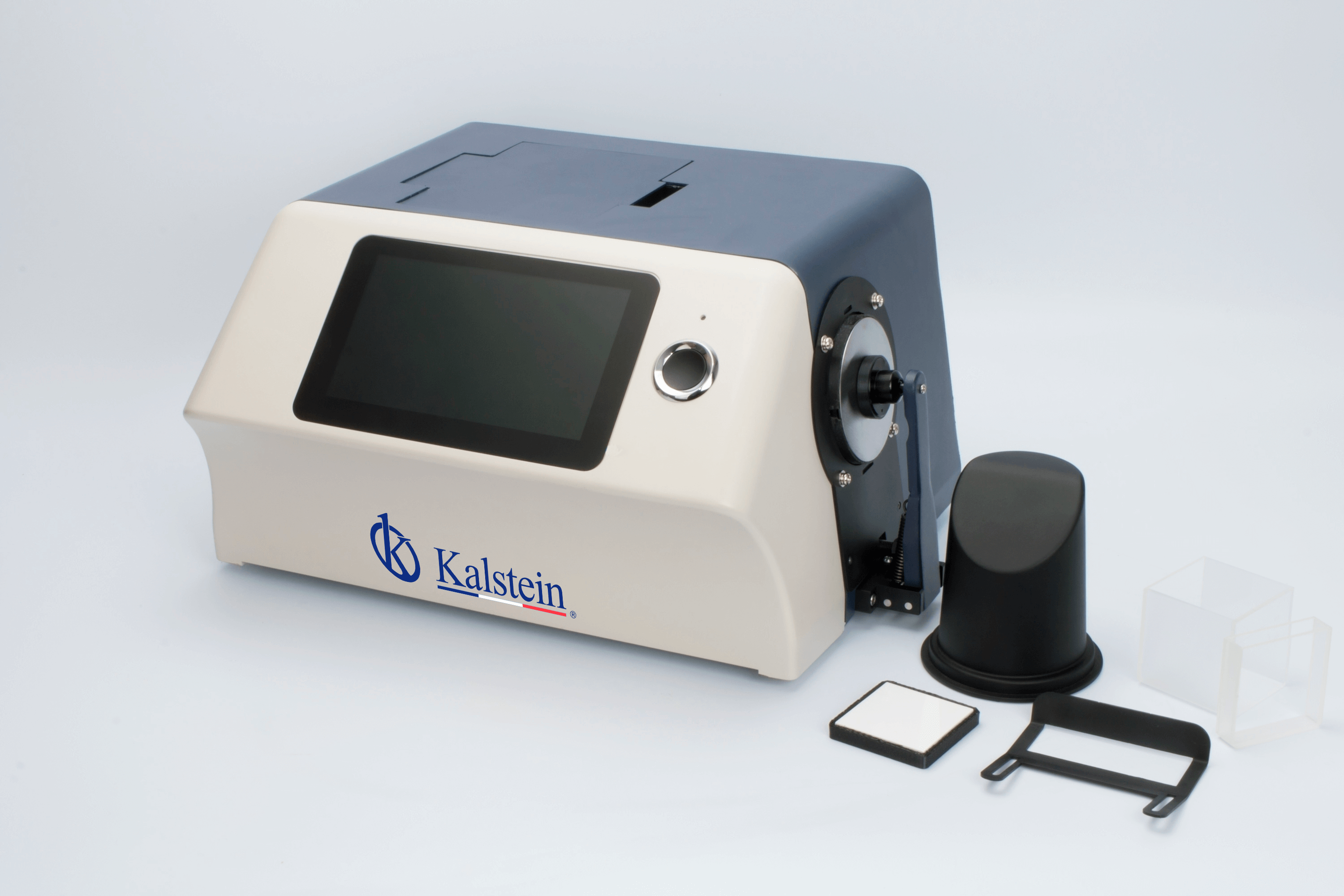
How LIMS Integration Enhances Data Flow in Benchtop Spectrophotometers
The integration of Laboratory Information Management Systems (LIMS) with benchtop spectrophotometers is transforming how laboratories manage data flow and streamline workflows. This article delves into the importance of LIMS integration, particularly focusing on how it can improve accuracy, efficiency, and compliance in laboratory settings.
Understanding LIMS Integration in Benchtop Spectrophotometers
Laboratories are increasingly adopting LIMS to enhance data management and analysis capabilities. Integrating LIMS with benchtop spectrophotometers allows for seamless data transfer, automatic recording of measurements, and improved traceability, enabling labs to operate more efficiently and comply with various regulatory standards.
Key Benefits of LIMS Integration
LIMS integration provides numerous benefits, including:
- Improved Data Accuracy: Automatic data entry reduces human error.
- Enhanced Traceability: All measurements can be tracked through a centralized system.
- Regulatory Compliance: Integration with LIMS helps meet standards such as ISO 17025.
- Streamlined Workflows: Reduces time spent on manual data recording and processing.
Key Connectivity Protocols for LIMS Integration
When integrating benchtop spectrophotometers with LIMS, labs must consider various connectivity protocols that facilitate data exchange. Common protocols include:
- HL7: Often used in healthcare settings for data sharing.
- ASTM: For standardizing data formats.
- REST: For web services, allowing for more flexible data interaction.
Models of Benchtop Spectrophotometers and Their LIMS Integration Features
In the context of LIMS integration, several benchtop spectrophotometers stand out:
| Model | Key Specs | Best For |
|---|---|---|
| YR05474 | Touchscreen, Reflectance d/8, Transmittance d/0, 360-780nm | Color analysis in R&D environments |
| YR05475 | Touchscreen, Reflectance d/8, Transmittance d/0, 360-780nm | Laboratory color analysis |
| YR05476 | Touchscreen, Reflectance d/8, Transmittance d/0, 360-780nm | Precision color analysis |
| YR05477 | Touchscreen, Reflectance d/8, Transmittance d/0, 360-780nm | Measuring color and appearance |
| YR05478 | Touchscreen, Reflectance d/8, Transmittance d/0, 360-780nm | Color quality control |
| YR05482 | Contactless measurement, 45/0 geometry | Liquid and powder color measurement |
Addressing Common Integration Challenges
Integrating LIMS with benchtop spectrophotometers can pose challenges. Common issues include:
- Data Compatibility: Ensuring that data formats are compatible between systems.
- Training Staff: Providing adequate training for laboratory personnel on how to utilize the integrated systems.
- Ongoing Maintenance: Regularly updating both LIMS and spectrophotometer software to avoid compatibility issues.
Comparison of Available Models
| Model | Connectivity | Protocols Supported | Integration Effort | Best For |
|---|---|---|---|---|
| YR05474 | USB, Ethernet | HL7, ASTM | Medium | Color analysis |
| YR05475 | USB, Ethernet | HL7, REST | Medium | Laboratory color analysis |
| YR05476 | USB, Ethernet | ASTM, REST | Medium | Precision analysis |
| YR05477 | USB, Ethernet | HL7, ASTM | Medium | Measuring appearance |
| YR05478 | USB, Ethernet | HL7, REST | Medium | Quality control |
| YR05482 | USB, Ethernet | ASTM, REST | High | Contactless measurement |
Common Mistakes and How to Avoid Them
Many labs make critical mistakes when integrating LIMS with their spectrophotometers. These include:
- Neglecting Training: Ensure staff receive proper training to utilize the systems effectively.
- Ignoring Software Updates: Regularly update software to maintain compatibility and performance.
- Underestimating Integration Effort: Assess the complexity of integration before implementation.
Frequently Asked Questions
How can LIMS integration improve data accuracy in benchtop spectrophotometers?
Integrating LIMS with benchtop spectrophotometers like the YR05474 enhances data accuracy by automating data entry, minimizing human error. This ensures that measurements are reliably recorded and analyzed in compliance with standards such as ISO 17025.
Which connectivity protocols are best for LIMS integration in spectrophotometry?
For effective LIMS integration in spectrophotometry, protocols like HL7 and ASTM are commonly supported by models such as YR05475. These protocols ensure standardized data formats for seamless communication between systems.
What are the integration challenges for benchtop spectrophotometers and LIMS?
Challenges include ensuring data compatibility, training staff effectively, and maintaining software updates. Models like the YR05476 can simplify integration efforts with proper planning and execution.
How does LIMS integration support regulatory compliance in laboratories?
LIMS integration, for instance with the YR05477 model, supports regulatory compliance by providing traceability and accurate data management, essential for adhering to standards like ISO 17025.
What is the best practice for training staff on LIMS integrated spectrophotometers?
Best practices include hands-on training sessions and providing comprehensive user manuals for models like YR05478, ensuring staff are well-equipped to utilize the technology effectively.
How can I assess the integration effort required for my benchtop spectrophotometer?
Evaluate factors like existing infrastructure, software compatibility, and the complexity of data protocols. Models such as YR05482 might require more extensive integration efforts due to their advanced features.
What are the key benefits of using LIMS with benchtop spectrophotometers?
Key benefits include improved data accuracy, enhanced traceability, regulatory compliance, and streamlined workflows, significantly impacting the operational efficiency of laboratories using models like the YR05474.
How does LIMS integration impact laboratory productivity with spectrophotometers?
LIMS integration improves laboratory productivity by automating data recording and analysis, reducing manual tasks. This allows for higher throughput and better resource allocation, especially using models like YR05476.
If you are looking for a fusion of innovation and quality, you have come to the right place. At Kalstein, we offer you the luxury of exploring our exclusive catalog of laboratory equipment. We manufacture every device to the highest standards of excellence. Our intuitive and seamless online purchasing channels are designed for your convenience, securing the most competitive prices. Hesitate no longer — we bring science to life, it is time to become part of our community.