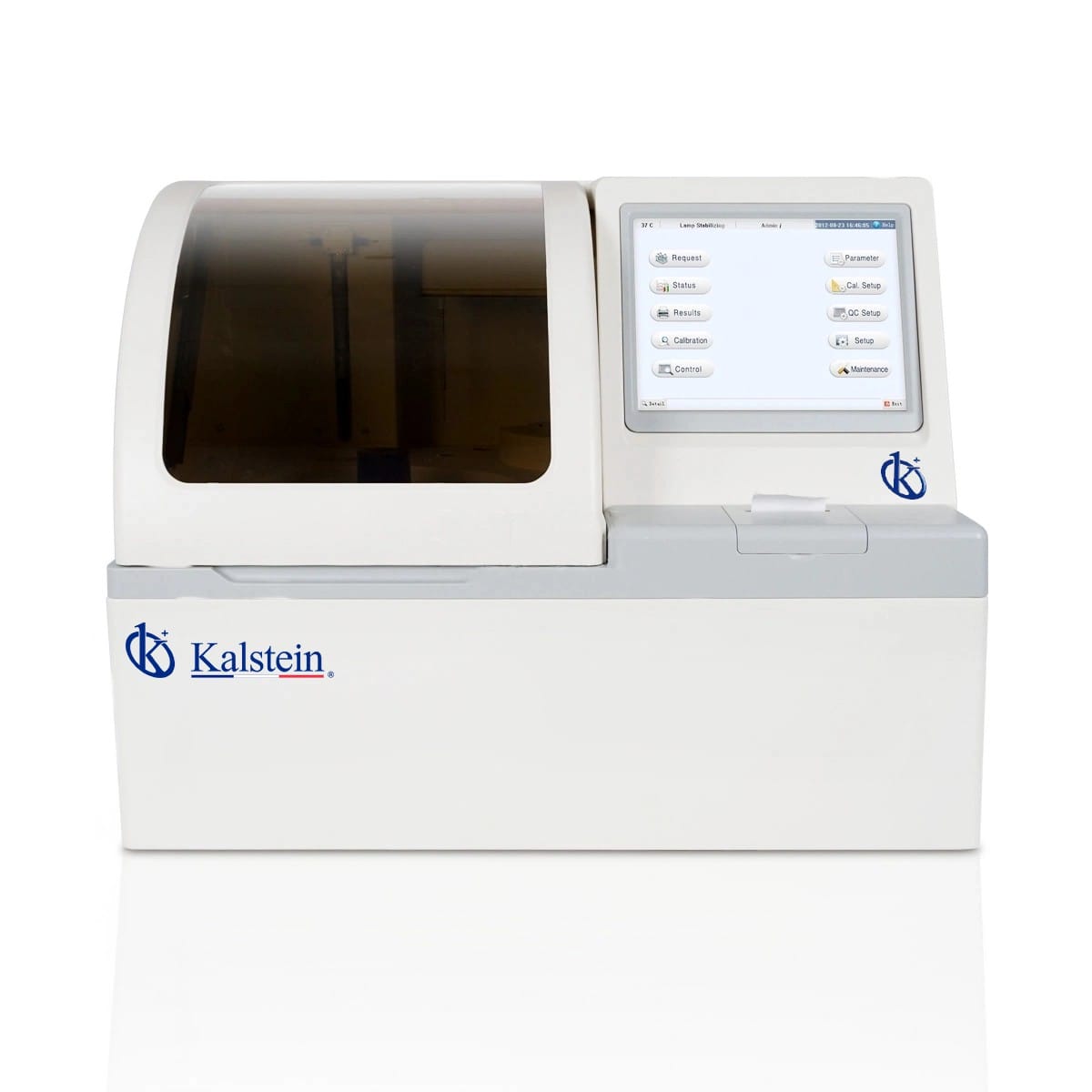
LIMS Integration and Data Flow Digitalization for Veterinary Chemistry Analyzers
The veterinary sector increasingly relies on sophisticated technology to improve diagnostics and streamline laboratory processes. One of the key advancements is the integration of Laboratory Information Management Systems (LIMS) with veterinary chemistry analyzers. This article discusses the benefits and technical aspects of such integrations, focusing on data flow digitalization, and how various models cater to the evolving needs of laboratories.
Overview of Veterinary Chemistry Analyzers and LIMS Integration
Veterinary chemistry analyzers play a crucial role in analyzing blood and other biological samples to provide rapid and accurate diagnostic information. By integrating these devices with LIMS, laboratories can enhance data management, ensure compliance with standards, and improve overall workflow efficiency.
Benefits of LIMS Integration in Veterinary Laboratories
Integrating LIMS with veterinary chemistry analyzers presents numerous benefits, including:
- Streamlined Workflow: Automation of sample tracking, result reporting, and data storage reduces manual errors.
- Enhanced Data Management: Centralized data storage improves accessibility and traceability, vital for compliance with veterinary regulations.
- Real-time Reporting: Immediate access to test results aids in faster decision-making and improves patient care.
- Improved Compliance: LIMS can ensure adherence to industry standards, including ISO 17025, through robust data management practices.
Technical Aspects of LIMS Integration
The technical integration of LIMS with veterinary chemistry analyzers involves various connectivity protocols and configurations. Commonly used protocols include HL7, ASTM, and RESTful APIs, allowing seamless data exchange between devices. Middleware solutions also play a crucial role in bridging different systems, ensuring data integrity and security.
Key Connectivity Protocols
Different models of veterinary chemistry analyzers support various connectivity protocols, which are essential for effective integration with LIMS:
- HL7: Facilitates data exchange in healthcare environments.
- ASTM: Standardizes the data format for laboratory instrumentation.
- RESTful API: Allows for flexible integration with other software systems.
Comparison of Available Models
| Model | Connectivity | Protocols Supported | Integration Effort | Best For |
|---|---|---|---|---|
| YR06168 | Yes | HL7, ASTM | Moderate | High throughput labs |
| YR06169 | Yes | REST API | Low | Point of care |
| YR06172 | Yes | HL7 | Moderate | Immunofluorescence testing |
| YR06174 | Yes | ASTM | High | Emergency response |
| YR06077 | Yes | REST API | Low | Small to medium labs |
Common Mistakes and How to Avoid Them
When implementing LIMS integration with veterinary chemistry analyzers, common pitfalls include:
- Inadequate Training: Ensure all personnel are trained on both the LIMS and the analyzers to avoid errors.
- Neglecting Data Security: Implement security protocols to protect sensitive patient data.
- Poorly Defined Processes: Clearly outline workflows to prevent confusion during data entry and reporting.
How Data Flow Digitalization Enhances Laboratory Efficiency
Digitalizing data flow in veterinary laboratories allows for significant efficiency improvements. By reducing the reliance on paper records, laboratories can minimize errors and enhance data accuracy. Digital data can be easily analyzed and shared, leading to better collaboration among veterinary professionals.
Cost-Benefit Analysis of LIMS Integration
To evaluate the financial viability of integrating LIMS with veterinary chemistry analyzers, it’s important to conduct a thorough cost-benefit analysis. This analysis should include:
| Model | CAPEX (USD) | Cost per Test (USD) | Payback Period (Months) |
|---|---|---|---|
| YR06168 | 6800 | 30 | 10 |
| YR06169 | 2000 | 25 | 8 |
| YR06172 | 700 | 20 | 6 |
| YR06174 | 6600 | 28 | 12 |
| YR06077 | 950 | 22 | 5 |
Frequently Asked Questions
How does LIMS integration improve data management for veterinary chemistry analyzers?
LIMS integration enhances data management by centralizing sample tracking and result reporting, making it easier to maintain compliance and traceability. For instance, models like YR06168 support HL7 and ASTM protocols, streamlining data flow.
What are the best practices for integrating LIMS with veterinary analyzers?
Best practices include thorough training for users, ensuring data security, and clearly defining workflows to minimize errors. Models like YR06169 make this process easier due to their REST API integration.
Which veterinary chemistry analyzer is most suitable for small labs needing LIMS?
The YR06077 model is ideal for small labs due to its low cost, compact design, and REST API support for easy LIMS integration, optimizing data flow without extensive infrastructure.
How can I ensure compliance with ISO 17025 using veterinary chemistry analyzers?
To ensure compliance with ISO 17025, use analyzers like YR06174, which offer automated quality control and comprehensive data management features to maintain traceability and accuracy.
What is the expected ROI from LIMS integration for veterinary chemistry analyzers?
ROI can vary, but models like YR06172 show a payback period of about 6 months, indicating a strong return on investment through increased efficiency and reduced errors.
What connectivity protocols should I consider for LIMS integration?
Consider protocols like HL7, ASTM, and RESTful APIs for effective LIMS integration. Models such as YR06168 and YR06169 support multiple protocols that simplify integration efforts.
How do veterinary chemistry analyzers enhance laboratory productivity?
Veterinary chemistry analyzers enhance productivity by automating testing processes and providing rapid results. The YR06169 model, for instance, delivers results in approximately 10 minutes, significantly speeding up workflows.
What are the key challenges in integrating LIMS with veterinary analyzers?
Key challenges include ensuring data security, providing adequate training to staff, and streamlining workflows to prevent errors. Comprehensive planning can mitigate these challenges, especially with models that have user-friendly interfaces.
If you are looking for a fusion of innovation and quality, you have come to the right place. At Kalstein, we offer you the luxury of exploring our exclusive catalog of laboratory equipment. We manufacture every device to the highest standards of excellence. Our intuitive and seamless online purchasing channels are designed for your convenience, securing the most competitive prices. Hesitate no longer — we bring science to life, it is time to become part of our community.