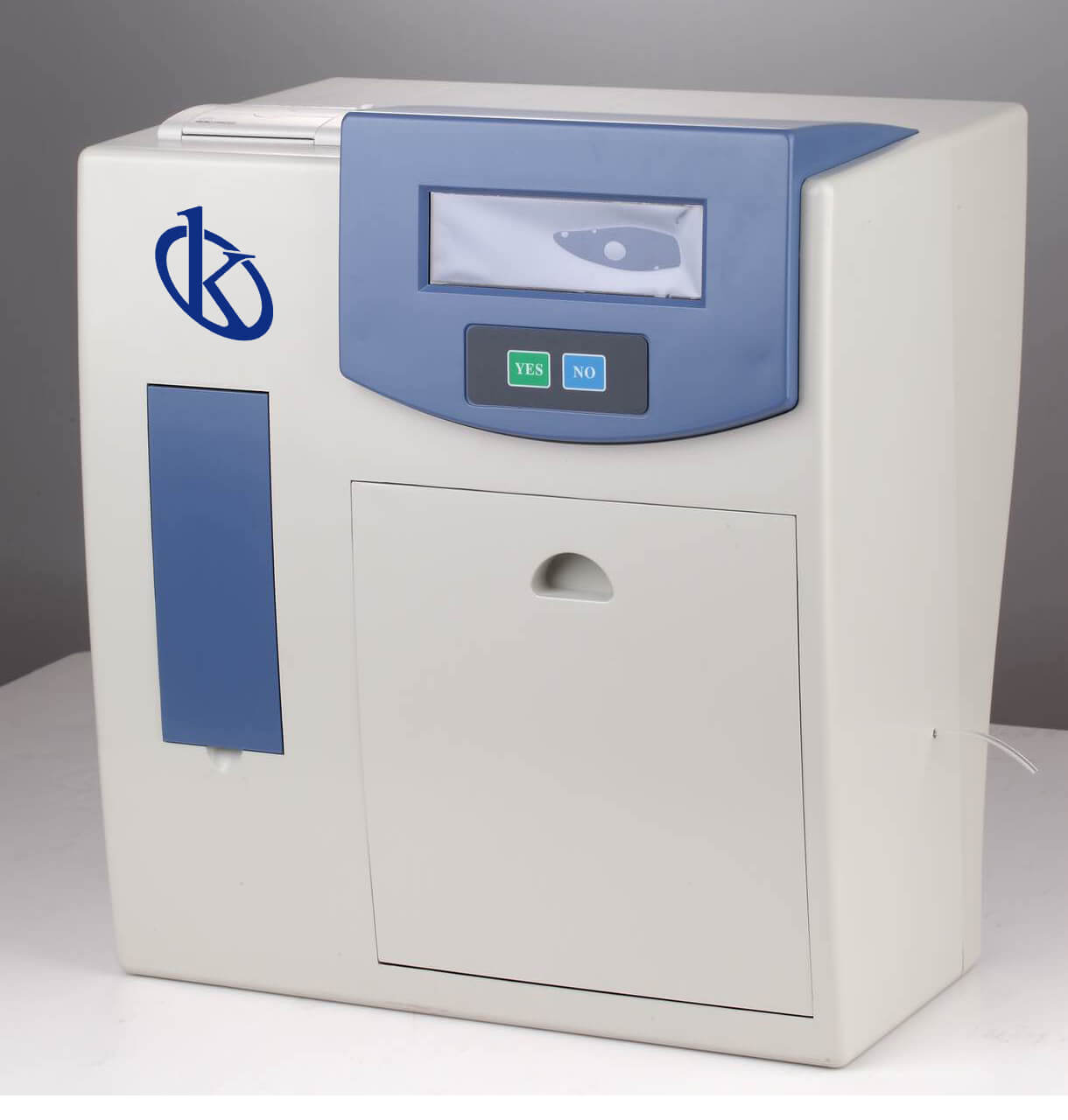
How to Achieve Seamless LIMS Integration with Electrolyte Analyzers
In the modern laboratory environment, achieving effective integration between Electrolyte Analyzers and Laboratory Information Management Systems (LIMS) is essential for improving workflow efficiency and data accuracy. This article delves into the key aspects of integrating electrolyte analyzers into LIMS, focusing on practical solutions and technical specifications. By exploring various models, we will highlight how each can contribute to enhanced data digitalization and streamlined laboratory processes.
Understanding LIMS Integration with Electrolyte Analyzers
Laboratory Information Management Systems serve as vital tools for managing samples, associated data, and laboratory workflows. When integrated with electrolyte analyzers, LIMS can facilitate real-time data capturing, analysis, and reporting. This integration not only enables laboratories to maintain accurate records but also supports compliance with regulatory standards and enhances patient care through timely results.
Key Benefits of LIMS Integration
Integrating electrolyte analyzers with a LIMS enhances laboratory operations in several ways:
- Improved Data Accuracy: Automated data entry minimizes human error.
- Real-Time Monitoring: Allows for immediate tracking of results and system performance.
- Streamlined Workflows: Reduces manual processes, thus saving time and resources.
- Regulatory Compliance: Helps in adhering to standards such as ISO 17025.
Comparison of Available Models
| Model | CAPEX (USD) | Cost per Test | Integration Effort | Best for |
|---|---|---|---|---|
| YR05169 | 6797.50 | Variable | Moderate | High-throughput labs |
| YR06391 | 1250.00 | Low | Easy | Small labs |
| YR06392 | 1450.00 | Low | Easy | Small to medium labs |
| YR06393 | 1650.00 | Low | Moderate | General use |
| YR06394 | 1850.00 | Low | Moderate | General use |
| YR06395 | 2050.00 | Low | Moderate | High-demand environments |
Key Factors in LIMS Integration
Successful integration of electrolyte analyzers into LIMS involves several key factors:
Connectivity Protocols
Understanding the connectivity protocols supported by your electrolyte analyzer is crucial. Common protocols include HL7, ASTM, and REST API. For instance, the YR05169 model supports multi-parameter measurements, making it an ideal choice for systems requiring extensive connectivity.
Data Transfer Mechanisms
The manner in which data is transferred from the electrolyte analyzer to LIMS impacts efficiency. Bidirectional interfaces provide real-time data updates, which are critical for labs with high throughput. This feature is particularly evident in models like the YR06391, which ensures quick data relay.
Validation Steps
Before implementing integration, it is vital to undertake a validation process to ensure that all components function correctly together. This includes testing data flow and accuracy between the analyzer and LIMS.
Common Mistakes and How to Avoid Them
Integrating electrolyte analyzers with LIMS can be complex. Here are common pitfalls and strategies to avoid them:
Neglecting Training
Failing to provide adequate training for staff can lead to operational inefficiencies. Ensure that all users are well-versed in both the analyzer and LIMS functionalities.
Overlooking Protocol Compatibility
Always verify that the protocols supported by the analyzer align with those of the LIMS. Compatibility issues can lead to data transfer failures.
Ignoring Regulatory Compliance
Ensure that the integration process maintains adherence to relevant regulations such as ISO 17025. Incorporate compliance checks during the integration phase.
Frequently Asked Questions
What are the benefits of integrating an electrolyte analyzer with LIMS?
Integrating an electrolyte analyzer, such as the YR05169, with LIMS enhances accuracy, streamlines workflows, and supports compliance with standards like ISO 17025, leading to better laboratory efficiency.
Which protocols are essential for effective LIMS integration with electrolyte analyzers?
Essential protocols for LIMS integration include HL7, ASTM, and REST API, which facilitate real-time data transfer and operational efficiency with models like the YR06391.
How can I ensure my electrolyte analyzer meets compliance standards after LIMS integration?
To ensure compliance post-integration, regularly validate data transfer processes and align practices with standards such as ISO 17025, especially with models like YR05169.
What challenges might arise during the integration of electrolyte analyzers with LIMS?
Challenges include protocol compatibility issues, inadequate training, and failure to adhere to compliance standards, particularly with models like YR06395 that require complex data management.
How does the cost of integrating an electrolyte analyzer compare across different models?
Models like YR06391 offer lower upfront costs, while high-end models like YR05169 may lead to higher initial investments but provide extensive features that enhance long-term savings.
What is the average payback period for LIMS integration in laboratories using electrolyte analyzers?
The average payback period varies by model and usage, but many laboratories see returns within 12-24 months through enhanced efficiency and reduced operational costs.
How can I optimize the workflow of my laboratory with electrolyte analyzers and LIMS?
To optimize workflows, focus on real-time data transfer, minimize manual processes, and ensure proper training on models like YR06394 that are designed for high throughput.
What are the common mistakes to avoid during LIMS integration with electrolyte analyzers?
Common mistakes include neglecting staff training, overlooking protocol compatibility, and failing to maintain regulatory compliance, particularly with models like YR06392 that require specific settings.
If you are looking for a fusion of innovation and quality, you have come to the right place. At Kalstein, we offer you the luxury of exploring our exclusive catalog of laboratory equipment. We manufacture every device to the highest standards of excellence. Our intuitive and seamless online purchasing channels are designed for your convenience, securing the most competitive prices. Hesitate no longer — we bring science to life, it is time to become part of our community.