How to Enhance Data Flow with LIMS Integration in Explosion-Proof Cabinets?
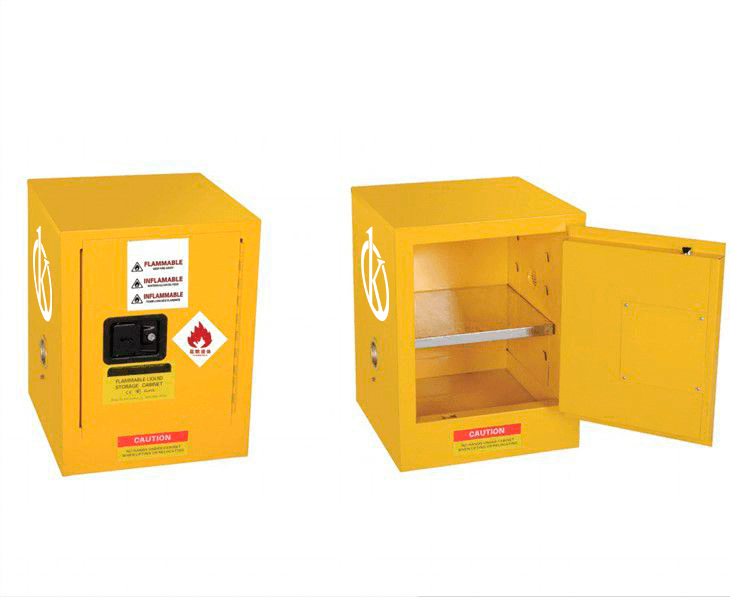
In contemporary laboratory environments, the need for efficient data management and safety cannot be overstated. Explosion-proof cabinets play a crucial role in ensuring safety while storing hazardous materials. However, the integration of Laboratory Information Management Systems (LIMS) with these cabinets can significantly streamline data flow, enhance compliance with safety standards, and improve laboratory efficiency. This article delves into the various aspects of LIMS integration with explosion-proof cabinets, particularly focusing on models such as YR05464-1, YR05464-2, YR05465, YR05465-1, YR05465-2, and YR05464.
Understanding the Importance of LIMS Integration
LIMS integration with laboratory equipment, including explosion-proof cabinets, facilitates the seamless transfer of data between various systems. This is crucial for maintaining compliance with safety regulations, ensuring accurate data recording, and enhancing operational efficiency. By employing a LIMS, laboratories can automate the tracking of hazardous materials, monitor usage, and maintain comprehensive records that can be easily accessed for audits or compliance checks. Moreover, integration reduces the risk of human error in data entry, which is particularly vital in managing chemicals and other hazardous materials effectively.
How LIMS Enhances Safety in Explosion-Proof Cabinets
The primary function of explosion-proof cabinets is to safely store flammable and hazardous materials, thereby minimizing risks associated with chemical spills and explosions. Integrating LIMS into these cabinets enhances safety protocols by enabling real-time monitoring of inventory levels and conditions within the cabinet. For instance, models like YR05465 provide dual-lock systems and adjustable shelves, while LIMS can track usage patterns and alert users to potential safety hazards, such as overstocking or expired materials. This proactive approach not only safeguards laboratory personnel but also ensures compliance with safety regulations.
Key Connectivity Protocols for LIMS Integration
When integrating LIMS with explosion-proof cabinets, understanding the connectivity protocols is essential. Common protocols include HL7, ASTM, and REST, which facilitate data exchange between the LIMS and the cabinet's monitoring systems. For instance, utilizing ASTM protocols can enhance the accuracy of data transfer related to hazardous materials stored in models like YR05464-2. It is crucial to select an explosion-proof cabinet that supports these protocols to ensure smooth integration.
Evaluation of Available Models and Their LIMS Compatibility
To maximize the benefits of LIMS integration, evaluating the technical specifications of various explosion-proof cabinets is crucial. Below is a comparative analysis of the available models:
| Model Code | Dimensions (mm) | Weight (Kg) | Volume (Liters) | Door Type | Best for |
|---|---|---|---|---|---|
| YR05464-1 | 330 x 330 x 330 | 21 | 7 | Single Door / Manual | Flammable liquids |
| YR05464-2 | 330 x 330 x 330 | 21 | 7 | Single Door / Manual | Flammable liquids |
| YR05465 | 560 x 430 x 430 | 21 | 15 | Single Door / Manual | Corrosive liquids |
| YR05465-1 | 560 x 430 x 430 | 21 | 15 | Single Door / Manual | Corrosive liquids |
| YR05465-2 | 560 x 430 x 430 | 21 | 15 | Single Door / Manual | Corrosive liquids |
| YR05464 | 330 x 330 x 330 | 21 | 7 | Single Door / Manual | Flammable liquids |
Common Mistakes and How to Avoid Them
One of the most common mistakes in LIMS integration with explosion-proof cabinets is improper selection of models based on compliance needs. It's crucial to ensure that the cabinet's specifications align with laboratory requirements. Another frequent error is neglecting regular maintenance and calibration of the LIMS and cabinet systems, which can lead to data discrepancies. Lastly, failing to train staff adequately on LIMS usage can hinder the effectiveness of integration. Regular training sessions and clear communication about safety protocols can mitigate these mistakes.
Frequently Asked Questions
How does LIMS integration enhance safety in explosion-proof cabinets?
LIMS integration enhances safety in explosion-proof cabinets by providing real-time monitoring of hazardous materials. For example, models such as YR05465 can utilize data from LIMS to track inventory levels and alert users to potential hazards, ensuring compliance with safety standards.
What connectivity protocols are essential for integrating LIMS with cabinets?
Essential connectivity protocols for LIMS integration with explosion-proof cabinets include HL7 and ASTM. These protocols facilitate the accurate transfer of data regarding hazardous materials, making models like YR05464-2 compatible with LIMS.
Which explosion-proof cabinet is best for storing corrosive liquids?
The YR05465 model is optimal for storing corrosive liquids. It features robust safety measures and LIMS compatibility, ensuring that data management is both efficient and compliant with safety regulations.
What are the benefits of integrating LIMS with laboratory equipment?
Integrating LIMS with laboratory equipment simplifies data management, enhances compliance, and reduces human error. Explosion-proof cabinets like YR05464-1 can benefit from such integration by automating inventory tracking and safety compliance measures.
How do I ensure compliance with safety regulations using LIMS?
Ensuring compliance with safety regulations using LIMS involves tracking inventory, monitoring conditions, and maintaining accurate records. Models like YR05465-1 provide features that support such requirements, allowing easy LIMS integration.
What are the key specifications to look for in an explosion-proof cabinet?
Key specifications to consider include dimensions, weight capacity, volume, and door type. The YR05465-2 model is spacious and robust, making it suitable for various hazardous materials, ensuring optimal safety and functionality.
How can LIMS improve data accuracy in laboratory environments?
LIMS improves data accuracy by automating data entry and tracking. This is particularly beneficial for explosion-proof cabinets like YR05464-1, where accurate inventory tracking is essential for safety compliance.
What common mistakes should I avoid when integrating LIMS in laboratories?
Common mistakes include choosing incompatible models, neglecting maintenance, and inadequate staff training. Selecting compatible cabinets, such as the YR05465, and ensuring regular training can enhance integration efficacy.
If you are looking for a fusion of innovation and quality, you have come to the right place. At Kalstein, we offer you the luxury of exploring our exclusive catalog of laboratory equipment. We manufacture every device to the highest standards of excellence. Our intuitive and seamless online purchasing channels are designed for your convenience, securing the most competitive prices. Hesitate no longer — we bring science to life, it is time to become part of our community.