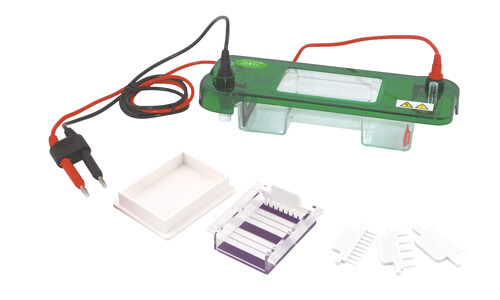
Enhancing Data Flow in Horizontal Electrophoresis: LIMS Integration Strategies
In the modern laboratory landscape, the integration of data-driven solutions is paramount. Horizontal electrophoresis serves as a crucial technique in many fields, from molecular biology to clinical diagnostics. This article explores how integrating Laboratory Information Management Systems (LIMS) with horizontal electrophoresis can optimize workflows, enhance data accuracy, and support compliance with regulatory standards.
Understanding Horizontal Electrophoresis and Its Role
Horizontal electrophoresis systems utilize gel mediums to separate biomolecules based on size and charge. The ability to visualize DNA and RNA samples through electrophoresis is essential for various laboratory applications including genetic research, diagnostics, and quality control. As laboratories strive for efficiency, LIMS integration emerges as a key solution to streamline processes, reduce errors, and facilitate data sharing.
Digital Transformation in Laboratories: Why It Matters
Laboratories are increasingly recognizing the importance of digital transformation. The shift towards electronic data management reduces manual errors and enhances traceability of experiments. Integrating horizontal electrophoresis systems with LIMS allows for automated data entry and analysis, enabling scientists to focus on experimental design rather than data handling. This seamless flow of information is beneficial for compliance with industry standards and improves overall laboratory productivity.
Key Features of LIMS for Horizontal Electrophoresis
When considering LIMS solutions for horizontal electrophoresis systems, several features are particularly beneficial:
- Data Management: Centralizes data for easier access and analysis.
- Sample Tracking: Ensures accurate tracking of samples throughout the electrophoresis process.
- Integration with Analytical Instruments: Facilitates real-time data collection directly from electrophoresis units.
- Compliance Support: Assists in meeting regulatory requirements by maintaining detailed records.
Comparison of Available Models
| Model | Sample Volume (ml) | Buffer Volume (ml) | Dimensions (LxWxH mm) | Best for |
|---|---|---|---|---|
| YR03415 | 3, 5, 9 | ~150 | 250 x 90 x 50 | Basic experiments with variable sample sizes. |
| YR03416 | 10, 15 | ~400 | 365 x 105 x 55 | High throughput analysis and testing. |
| YR03417 | 3, 6, 8, 11, 13, 18, 25 | ~550 | 300 x 160 x 75 | Versatile applications across various projects. |
| YR03418 | 1, 2, 3, 6, 14, 8, 17, 13, 29 | ~900 | 390 x 187 x 63 | Large samples and complex experiments. |
| YR03419 | 3, 5, 10, 15, 13, 26 | ~600 | 305 x 152 x 80 | General electrophoresis needs in labs. |
| YR03420 | 17, 22, 36, 44 | ~1,800 | 397 x 230 x 93 | High-capacity workloads with extensive data output. |
Common Mistakes and How to Avoid Them
Integrating LIMS with horizontal electrophoresis can be challenging. Here are common pitfalls and tips to avoid them:
- Inadequate Training: Ensure all users are properly trained in both LIMS and electrophoresis to optimize usage.
- Poor Data Management: Regularly audit data entries and ensure proper protocols are in place to minimize errors.
- Neglecting Compliance Requirements: Familiarize yourself with regulations to ensure your laboratory meets all necessary standards.
- Failing to Customize the LIMS: Tailor LIMS features to fit the specific needs of your horizontal electrophoresis applications.
Maximizing Efficiency with LIMS Integration
To achieve optimal efficiency, laboratories can implement the following strategies:
- Automate Data Capture: Use LIMS to automate data entry from electrophoresis systems, reducing the risk of manual errors.
- Implement Workflow Management: Design workflows within LIMS that align with electrophoresis procedures for better tracking and efficiency.
- Regularly Review and Update Systems: Ensure that both the electrophoresis systems and LIMS are kept up to date with the latest technology and protocols.
- Facilitate User Feedback: Encourage lab personnel to provide feedback on LIMS features to improve user experience and integration.
Frequently Asked Questions
How can LIMS integration improve horizontal electrophoresis workflows?
LIMS integration can streamline workflows in horizontal electrophoresis by automating data capture and sample tracking. For example, models like YR03420 support large sample volumes and can be efficiently connected to a LIMS for real-time data management, reducing manual entry errors.
What are the compliance benefits of using LIMS with horizontal electrophoresis?
Integrating LIMS with systems like the YR03417 enhances compliance by maintaining detailed records of all experiments. LIMS can help ensure adherence to standards such as ISO 17025 by facilitating traceability and data integrity throughout the testing process.
Which horizontal electrophoresis model is best for high throughput data analysis?
The YR03420 model is ideal for high throughput data analysis, as it accommodates large sample volumes and offers extensive buffer capacity. When paired with a LIMS, it can automate data collection and reporting, enhancing laboratory efficiency.
How does LIMS integration affect data accuracy in horizontal electrophoresis?
LIMS integration enhances data accuracy by reducing manual input errors and ensuring that all data is consistently recorded and organized. Models such as YR03418 can benefit from this integration, as it allows for precise tracking of experiments and results.
What specific features should a LIMS have for effective electrophoresis integration?
An effective LIMS for horizontal electrophoresis should support sample tracking, data management, and integration with analytical instruments. Systems like YR03419 can utilize these features for better experimental output and compliance tracking.
What are common challenges when integrating LIMS with electrophoresis systems?
Common challenges include inadequate training for users and poor data management practices. To mitigate these issues, laboratories must invest in comprehensive training and establish robust data entry protocols to support models like YR03416.
How can I choose the right horizontal electrophoresis model for my LIMS?
Choosing the right model involves assessing your laboratory's requirements, such as sample volume and analysis complexity. For instance, the YR03415 is suitable for basic experiments, whereas the YR03420 is better for high-capacity needs when integrated with LIMS.
What is the cost-effectiveness of a LIMS-integrated electrophoresis system?
The cost-effectiveness of a LIMS-integrated system, such as the YR03418, is demonstrated through reduced manual labor and improved accuracy in data handling. This leads to significant long-term savings in operational costs while enhancing laboratory productivity.
If you are looking for a fusion of innovation and quality, you have come to the right place. At Kalstein, we offer you the luxury of exploring our exclusive catalog of laboratory equipment. We manufacture every device to the highest standards of excellence. Our intuitive and seamless online purchasing channels are designed for your convenience, securing the most competitive prices. Hesitate no longer — we bring science to life, it is time to become part of our community.