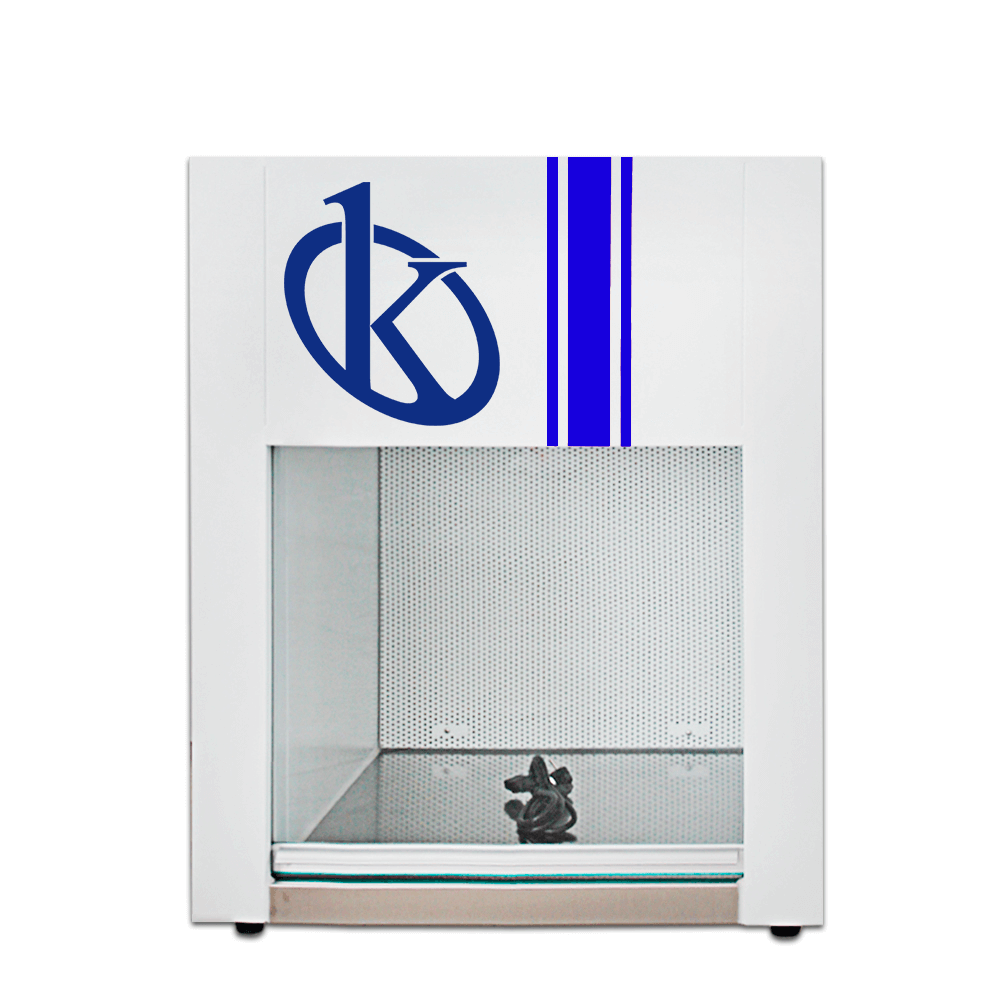
How to Optimize LIMS Integration with Horizontal Laminar Flow Clean Benches
In today's laboratory environment, the integration of Laboratory Information Management Systems (LIMS) with equipment such as Horizontal Laminar Flow Clean Benches is critical for enhancing operational efficiency and ensuring data accuracy. This article explores how the digitalization of workflows through LIMS integration can transform lab operations, specifically focusing on Horizontal Laminar Flow Clean Benches.
Understanding Horizontal Laminar Flow Clean Benches
Horizontal Laminar Flow Clean Benches are essential in laboratories that require a sterile environment for sample handling. They provide an aseptic work area by using a HEPA filter to create a laminar flow of filtered air, ensuring that contaminants do not compromise sensitive materials. These units are vital in fields such as biological research, clinical labs, and pharmaceutical manufacturing.
The Importance of LIMS Integration
LIMS integration allows for seamless data flow between laboratory equipment and management software. This connectivity ensures that data generated by Horizontal Laminar Flow Clean Benches is automatically recorded, reducing human error and improving traceability. Enhanced data management leads to better compliance with industry standards and regulations.
Comparison of Available Models
| Model | Class | Price (USD) | Best for |
|---|---|---|---|
| YR05723 | Class 100 | 240.00 | General Laboratory Use |
| YR05724 | Class 100 | 300.00 | Biomedical Applications |
| YR05726 | Class 100 | 420.00 | Pharmaceutical Research |
| YR05727 | Class 100 | 650.00 | Clinical Testing |
| YR05728 | Class 100 | 660.00 | Microbiology |
| YR05729 | Class 100 | 1020.00 | High-Throughput Labs |
Benefits of LIMS Integration with Clean Benches
Integrating a LIMS with Horizontal Laminar Flow Clean Benches offers several benefits, including improved data accuracy, streamlined workflow, and enhanced regulatory compliance. By digitizing records and automating data entry, laboratories can reduce administrative burdens and focus more on research and development activities.
Challenges in LIMS Integration
Despite the clear benefits, there are challenges in integrating LIMS with Horizontal Laminar Flow Clean Benches. These can include the need for robust middleware solutions, potential compatibility issues, and the requirement for staff training. Understanding these challenges is crucial for successful implementation.
Common Mistakes and How to Avoid Them
One common mistake is underestimating the complexity of the integration process. Laboratories should take the time to assess their current workflows and ensure that the LIMS can accommodate their specific needs. Proper planning and consultation with IT professionals can mitigate these challenges.
Maximizing Efficiency in Lab Operations
When Horizontal Laminar Flow Clean Benches are effectively integrated with LIMS, laboratories can achieve significant efficiency gains. Automating sample tracking and data reporting frees up time for lab personnel, allowing them to concentrate on refining techniques and improving research outcomes.
Future Trends in LIMS Integration
As technology advances, the integration of LIMS with lab equipment will increasingly rely on artificial intelligence and machine learning algorithms. These innovations will facilitate better data analysis and predictive analytics, enhancing laboratory operations and decision-making processes.
Frequently Asked Questions
What is the typical cost of Horizontal Laminar Flow Clean Benches integrated with LIMS?
The cost of Horizontal Laminar Flow Clean Benches varies by model, with prices ranging from $240 for model YR05723 to $1020 for YR05729. Integrating these models with a LIMS can incur additional costs depending on the system requirements.
How does LIMS improve data traceability in labs using clean benches?
LIMS enhances traceability by automatically recording data generated by Horizontal Laminar Flow Clean Benches, such as sample IDs and test results. This ensures that all data is linked to specific samples, improving accountability in the laboratory.
Which protocols should a LIMS support for optimal integration with clean benches?
A LIMS should support protocols such as HL7 and ASTM for seamless integration with Horizontal Laminar Flow Clean Benches. This compatibility facilitates efficient data sharing and helps maintain compliance with laboratory standards.
What are the key benefits of using model YR05726 in a LIMS integrated lab?
Model YR05726 offers a Class 100 clean environment, making it ideal for pharmaceutical research. Its integration with LIMS enhances data management, ensuring compliance and reducing the risk of contamination during processes.
How can laboratories ensure successful integration of LIMS with clean benches?
Successful integration requires careful planning, including assessing existing workflows and choosing compatible technology. Engaging with LIMS vendors and equipment manufacturers, such as those offering Horizontal Laminar Flow Clean Benches, can facilitate a smoother transition.
What are the operational efficiency gains from integrating LIMS and clean benches?
Integrating LIMS with Horizontal Laminar Flow Clean Benches can reduce manual data entry, enhance sample tracking, and streamline reporting processes. This results in faster turnaround times and higher productivity in laboratory operations.
How does LIMS integration address regulatory compliance for clean bench operations?
LIMS integration helps maintain regulatory compliance by ensuring that all processes and data generated by Horizontal Laminar Flow Clean Benches are meticulously documented. This documentation is essential for audits and maintaining industry standards.
What challenges might arise when integrating LIMS with clean benches?
Challenges may include software compatibility issues, resistance to change from staff, and the need for extensive training. Addressing these issues proactively can lead to a successful integration of LIMS with Horizontal Laminar Flow Clean Benches.
If you are looking for a fusion of innovation and quality, you have come to the right place. At Kalstein, we offer you the luxury of exploring our exclusive catalog of laboratory equipment. We manufacture every device to the highest standards of excellence. Our intuitive and seamless online purchasing channels are designed for your convenience, securing the most competitive prices. Hesitate no longer — we bring science to life, it is time to become part of our community.