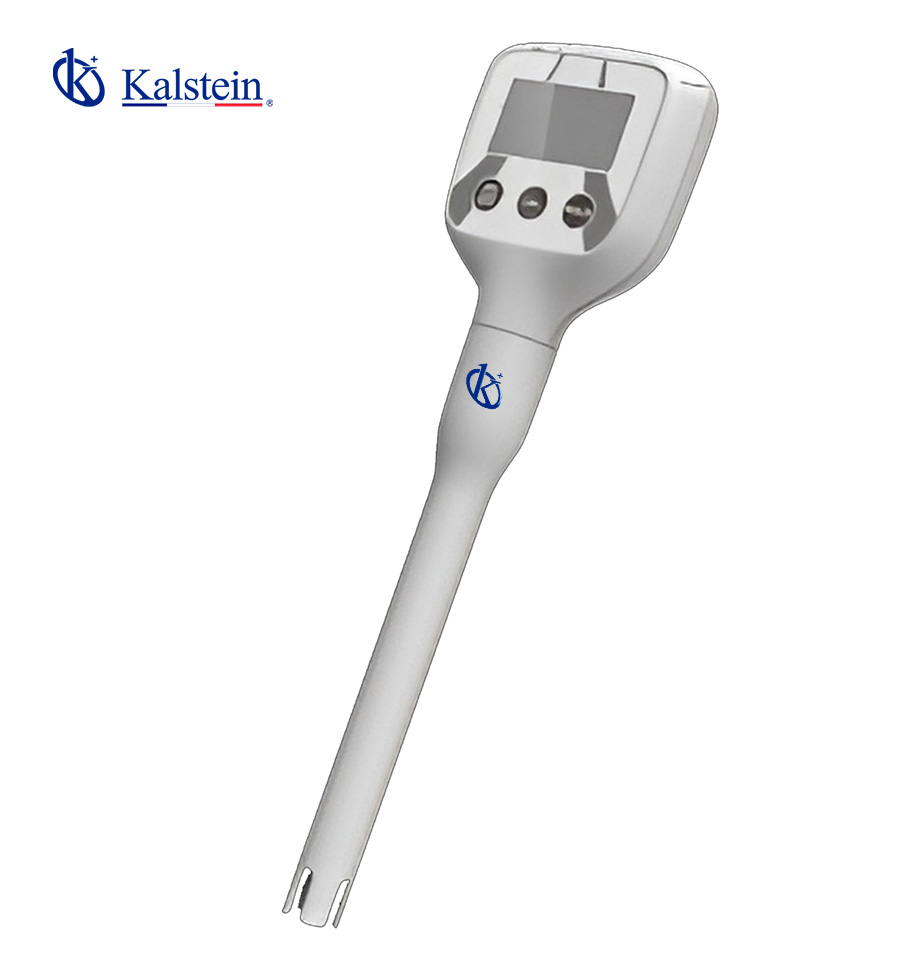
How to Ensure LIMS Integration with Portable Conductivity Meters
As laboratories continuously strive for enhanced efficiency and accuracy in their workflows, the integration of Laboratory Information Management Systems (LIMS) with portable conductivity meters emerges as a critical focus. This article delves into effective strategies for achieving seamless data flow and enhancing laboratory operations through the integration of these vital instruments.
Understanding the Role of Portable Conductivity Meters in LIMS Integration
Portable conductivity meters are essential tools in various laboratory environments, allowing professionals to measure the conductivity of liquids quickly and accurately. Integrating these meters with LIMS facilitates real-time data capture, reduces manual entry errors, and streamlines reporting processes. By ensuring that the meters communicate effectively with LIMS, laboratories can achieve greater data integrity and operational efficiency.
Key Features for LIMS Integration
When selecting portable conductivity meters for LIMS integration, several features are crucial:
- Communication Protocols: The meter must support standard communication protocols, such as RS-232 or USB, which allows for seamless data transfer to the LIMS.
- Data Format Compatibility: The data output format should align with LIMS requirements, ensuring accurate data interpretation and storage.
- Automated Calibration and Data Logging: Meters that perform automatic calibration and data logging reduce the risk of data loss and enhance accuracy.
Integration Strategies for Enhanced Data Flow
Successful integration involves several strategic steps:
1. Assessing Compatibility
Before integrating a portable conductivity meter with a LIMS, assess the compatibility of both systems. Ensure that the chosen meter, such as the Pocket Conductivity Meter YR01805, has the necessary communication ports and data formats required by your LIMS.
2. Implementing Middleware Solutions
Middleware can serve as a bridge between the portable meter and LIMS. It helps in translating data formats and managing communication protocols, thereby ensuring smooth data flow. For example, using middleware can facilitate the integration of the Pocket Conductivity Meter YR01806 with your existing LIMS without extensive modifications.
3. Establishing Data Validation Protocols
Establish protocols to validate data captured from the portable conductivity meters. This step is crucial to ensure that the data being transferred to the LIMS is accurate and reliable. Regular checks and balances enhance trust in the data being utilized for analysis.
Comparison of Available Models
| Model | Connectivity | Protocols Supported | Integration Effort | Best For |
|---|---|---|---|---|
| YR01805 | USB | None | Low | Basic measurement tasks |
| YR01806 | USB, RS-232 | ASTM | Medium | Multi-parameter analysis |
| YR01808 | USB | None | Low | Field measurements |
| YR01809 | USB | ASTM | Medium | General conductivity measurement |
| YR01810 | USB | None | Low | Simple TDS measurements |
| YR01811 | USB | None | Low | Economic TDS testing |
Common Mistakes and How to Avoid Them
Laboratories often encounter pitfalls when integrating portable conductivity meters with LIMS. Some common mistakes include:
- Neglecting Compatibility Checks: Always verify that the meter's communication capabilities match LIMS requirements.
- Overlooking Data Validation: Implement robust validation to ensure data integrity before integrating with LIMS.
- Insufficient Staff Training: Provide comprehensive training for staff on the new systems and protocols to ensure smooth operations.
Frequently Asked Questions
What are the benefits of LIMS integration with portable conductivity meters?
LIMS integration with portable conductivity meters, such as the YR01806, allows for real-time data capture, which enhances data accuracy and minimizes manual errors significantly. The automated data logging feature of these meters further streamlines laboratory processes, ensuring efficient workflows.
How can I ensure data accuracy with portable conductivity meters in my lab?
To ensure data accuracy, choose models like the Pocket Conductivity Meter YR01805, which offers automatic calibration features. Regularly perform maintenance checks and validation protocols as part of your integration with LIMS to uphold data integrity.
What models are best for integration with LIMS in a laboratory setting?
Models such as the YR01806 and YR01809 are best suited for LIMS integration due to their support for common protocols like ASTM. They are designed for multi-parameter analysis and provide robust data transfer capabilities that align well with LIMS functionalities.
How do I select the right portable conductivity meter for my laboratory needs?
Consider your laboratory's specific requirements, such as measurement range and compatibility. Models like the YR01810 excel in TDS measurements, while the YR01808 provides versatile field measurement capabilities, catering to diverse applications.
What are the key features to look for in a portable conductivity meter?
Look for features that enhance LIMS integration, such as USB connectivity, automatic calibration, and data logging capabilities. The Pocket Conductivity Meter YR01806 provides advanced features like multiple-point calibration and auto-diagnostics that are beneficial for laboratory efficiency.
How much time can I save by integrating portable conductivity meters with LIMS?
Integrating portable conductivity meters like the YR01810 can save significant time by automating data logging and reducing manual entry errors. This efficiency translates to faster reporting and enhanced overall laboratory productivity.
What challenges might arise during LIMS integration with portable conductivity meters?
Challenges include compatibility issues, data validation hurdles, and staff training requirements. Overcoming these obstacles involves thorough planning, such as selecting models like YR01806 that are compatible with common laboratory protocols.
How can I achieve seamless data flow between my portable conductivity meters and LIMS?
To achieve seamless data flow, utilize middleware solutions that facilitate communication and data translation between devices. Choosing portable conductivity meters with robust features, like the YR01809, ensures compatibility and ease of integration.
If you are looking for a fusion of innovation and quality, you have come to the right place. At Kalstein, we offer you the luxury of exploring our exclusive catalog of laboratory equipment. We manufacture every device to the highest standards of excellence. Our intuitive and seamless online purchasing channels are designed for your convenience, securing the most competitive prices. Hesitate no longer — we bring science to life, it is time to become part of our community.