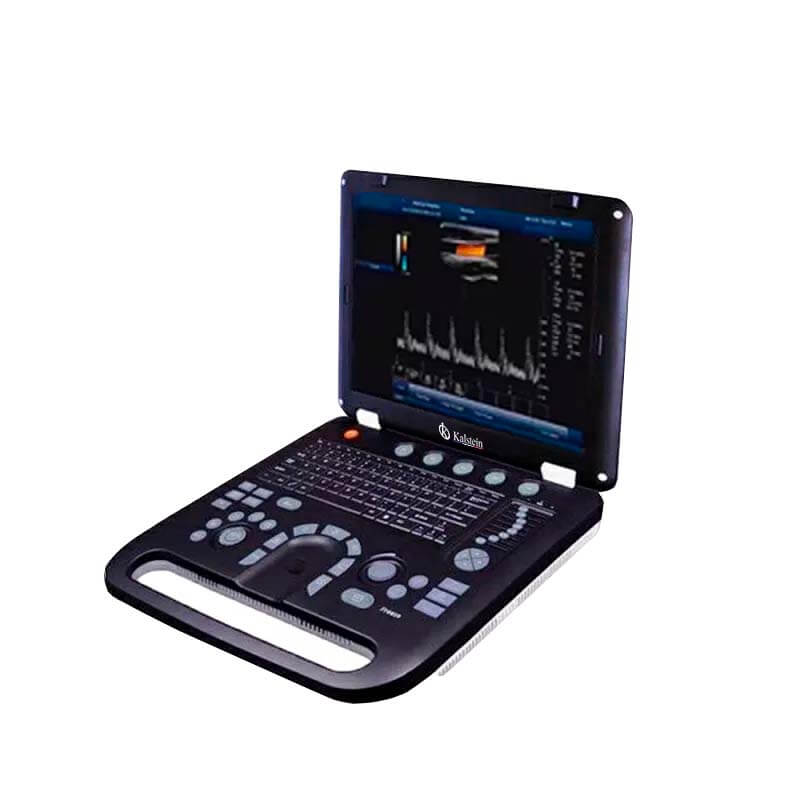
How to Achieve Efficient Data Flow Integration with LIMS in Ultrasonic Color Doppler Diagnostic Systems
In the evolving landscape of healthcare technology, the integration of Laboratory Information Management Systems (LIMS) with Ultrasonic Color Doppler Diagnostic Systems represents a critical advancement. This integration not only optimizes data flow but also enhances the efficiency of clinical workflows, ultimately leading to improved patient outcomes. This article delves into the significance of LIMS integration, examining various Ultrasonic Color Doppler models and their compatibility with contemporary data management practices.
Understanding LIMS Integration with Ultrasonic Color Doppler Systems
LIMS serves as a centralized platform for managing laboratory samples, associated data, and laboratory workflows. When integrated with Ultrasonic Color Doppler Diagnostic Systems, LIMS streamlines the processes of data capture, analysis, and reporting, allowing for seamless communication between diagnostic equipment and laboratory information databases.
The integration facilitates protocols such as HL7 and DICOM, ensuring that ultrasound images and patient data are accurately transmitted and stored, thereby adhering to regulatory compliance and improving data traceability.
Key Benefits of LIMS Integration in Ultrasonic Color Doppler Systems
1. Enhanced Workflow Efficiency: By automating data entry and reducing manual errors, LIMS integration saves time and resources. This efficiency is crucial in high-demand clinical settings.
2. Improved Data Accuracy: Integration minimizes transcription errors and ensures accurate data flow from the diagnostic system to the central database, which is vital for patient safety and diagnosis accuracy.
3. Regulatory Compliance: LIMS integration helps in maintaining compliance with healthcare regulations by ensuring that all data is stored securely and is easily retrievable for audits.
4. Real-time Access to Data: Clinicians can access ultrasound results and patient data in real-time, facilitating quicker decision-making and enhancing patient care.
Comparison of Available Models
| Model | Connectivity | Protocols Supported | Integration Effort | Best For |
|---|---|---|---|---|
| YR05148 | Ethernet, USB | DICOM 3.0 | Moderate | General Diagnostic Use |
| YR05149 | Ethernet, USB | DICOM 3.0 | High | Advanced Diagnostic Centers |
| YR05150 | Ethernet, USB | DICOM 3.0 | Low | Portable Applications |
| YR05151 | Ethernet, USB | DICOM 3.0 | Moderate | Comprehensive Use |
| YR05152 | Ethernet, USB | DICOM 3.0 | Moderate | Cardiology Applications |
| YR05153 | Ethernet, USB | DICOM 3.0 | High | Field Diagnostics |
Common Mistakes and How to Avoid Them
When integrating LIMS with Ultrasonic Color Doppler systems, several common mistakes can hinder success:
1. Underestimating the Importance of Staff Training: Ensure that staff members are thoroughly trained on both the LIMS and the ultrasound systems to avoid operational errors.
2. Neglecting Data Compliance: Adhere strictly to data management protocols and regulatory requirements to avoid compliance issues.
3. Inadequate Testing of Integration: Prior to full-scale implementation, conduct extensive testing to identify and rectify any integration challenges.
Frequently Asked Questions
What are the key features of LIMS integrated Ultrasonic Color Doppler systems?
LIMS integrated Ultrasonic Color Doppler systems like the YR05149 offer features such as automated data capture, real-time data access, and compliance with DICOM 3.0 standards, enhancing workflow efficiency and accuracy.
How does LIMS integration improve regulatory compliance in diagnostic labs?
Integrating LIMS with systems like the YR05150 ensures that all patient data and imaging results are securely stored and easily retrievable for compliance audits, maintaining adherence to healthcare regulations.
What type of connectivity is essential for LIMS in Ultrasonic Color Doppler systems?
Connectivity options such as Ethernet and USB are essential for robust communication between Ultrasonic Color Doppler systems like the YR05152 and LIMS, supporting protocols like DICOM 3.0 for seamless data transfer.
Which Ultrasonic Color Doppler model is best for advanced diagnostic centers?
The YR05149 model is ideal for advanced diagnostic centers due to its high connectivity capabilities and comprehensive features that support efficient data management and workflow optimization.
How can data accuracy be ensured in LIMS integrated systems?
Data accuracy can be ensured by utilizing models like YR05148 that minimize manual data entry errors through automated processes and thorough training for users on proper data handling protocols.
What integration challenges should labs anticipate with LIMS and Ultrasound systems?
Labs should anticipate challenges such as technical compatibility, user training requirements, and initial data migration issues when integrating LIMS with systems like YR05153 for optimal functionality.
Conclusion
The integration of LIMS with Ultrasonic Color Doppler Diagnostic Systems represents a significant advancement in laboratory practices, facilitating better data management and enhancing clinical outcomes. Each model discussed offers unique strengths that cater to various laboratory needs, ensuring that healthcare providers can deliver quality patient care efficiently.
If you are looking for a fusion of innovation and quality, you have come to the right place. At Kalstein, we offer you the luxury of exploring our exclusive catalog of laboratory equipment. We manufacture every device to the highest standards of excellence. Our intuitive and seamless online purchasing channels are designed for your convenience, securing the most competitive prices. Hesitate no longer — we bring science to life, it is time to become part of our community.