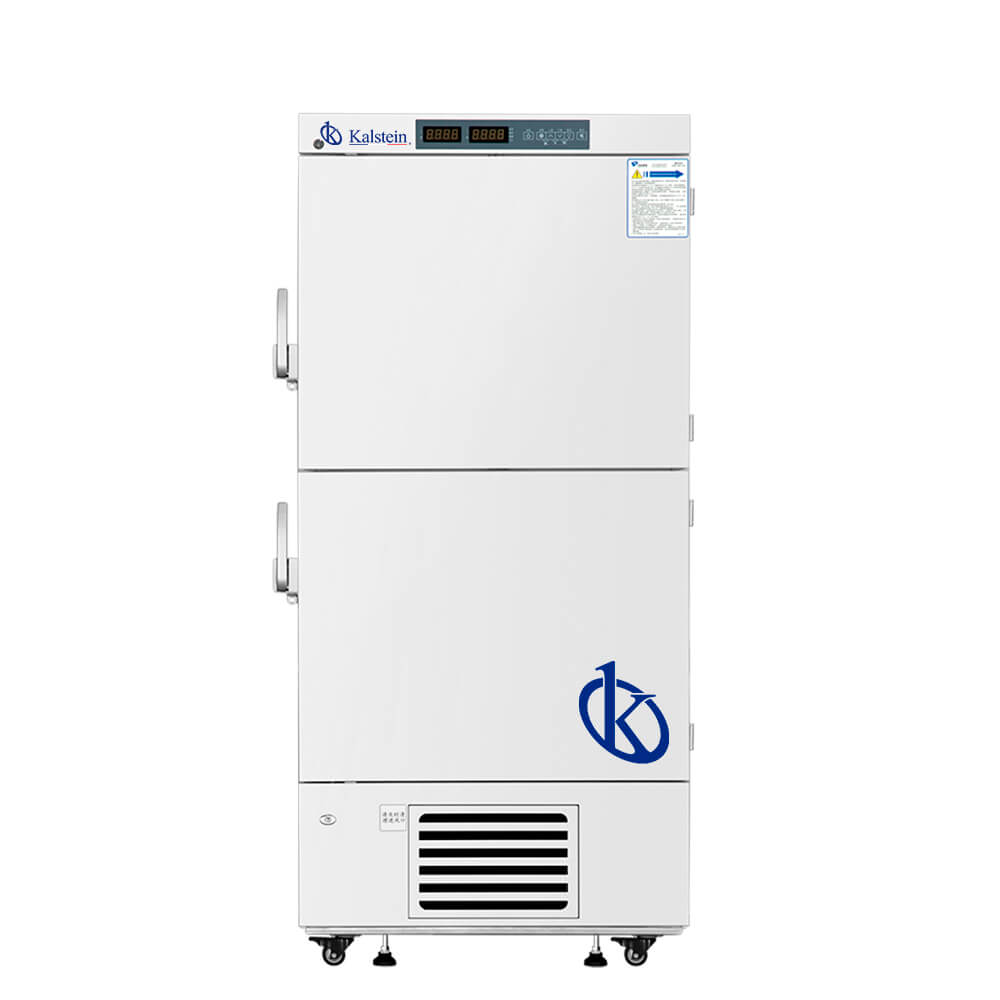
How to Choose a Low Temperature Freezer for Energy Sustainability and Environmental Impact Reduction
Low temperature freezers play a crucial role in laboratories where sample preservation is vital. As concerns over energy consumption and environmental impact grow, it's essential to select freezers that not only meet operational needs but also enhance energy sustainability. This article explores key considerations in selecting low temperature freezers, focusing on energy efficiency, environmental impact reduction strategies, and a comparison of leading models in this category.
Understanding Energy Sustainability and Environmental Impact
Energy sustainability refers to the ability to maintain energy consumption over the long term without depleting resources or causing severe environmental damage. In laboratory settings, this translates to choosing equipment that minimizes energy usage while maintaining performance. Reducing the environmental impact involves consideration of energy sources, refrigerants, and the overall lifecycle of the equipment.
Low temperature freezers are designed to operate continuously while consuming significant amounts of power. Selecting models that use energy-efficient technologies and environmentally friendly refrigerants can significantly reduce both energy consumption and carbon footprint. This is critical for laboratories aiming to comply with sustainability goals and regulations.
Key Features to Look for in Energy-Efficient Low Temperature Freezers
When selecting a low temperature freezer, consider the following features that contribute to energy efficiency and environmental impact reduction:
- Refrigerant Type: Opt for models using natural refrigerants like R290, which have lower global warming potential compared to synthetic refrigerants.
- Energy Consumption: Look for freezers with low kWh per day consumption, which indicates better energy efficiency.
- Insulation Quality: High-quality insulation minimizes energy loss, reducing the need for continuous operation and thus lowering energy consumption.
- Temperature Control Systems: Advanced microprocessor temperature controllers enhance accuracy and reduce energy wastage.
- Alarm Systems: Reliable alarm systems help prevent costly sample losses, indirectly contributing to sustainability through reduced waste.
Comparison of Available Models
| Model | Energy Consumption (kWh/24h) | Refrigerant | Temperature Range (°C) | Best Use Case |
|---|---|---|---|---|
| YR05100 | 6.7 | R290 | -20 to -40 | Research labs with diverse sample sizes |
| YR05309 | 5.5 | R290 | -20 to -40 | Medical supply storage |
| YR05311 | 300W | R290 | -10 to -25 | Laboratories requiring flexible storage |
Common Mistakes and How to Avoid Them
One of the most frequent mistakes when choosing low temperature freezers is neglecting energy efficiency ratings. Always check the kWh consumption and select models that offer the best energy savings. Another common error is overlooking maintenance requirements; regular servicing is crucial to keep freezers operating efficiently. Additionally, laboratories often underestimate the importance of adequate space for airflow around freezers, which can lead to overheating and increased energy use.
Lastly, do not disregard the importance of energy-efficient refrigerants. Choosing a model with natural refrigerants can significantly reduce your environmental impact and comply with current regulations.
Advanced Energy Management Strategies for Low Temperature Freezers
Implementing energy management strategies can optimize the performance of low temperature freezers. Start by monitoring energy usage through smart metering systems that provide real-time data on consumption patterns. This information can help identify areas for improvement.
Consider using power management features that allow freezers to enter energy-saving modes during non-peak hours. Additionally, regularly reviewing and adjusting temperature settings based on specific sample storage requirements can lead to significant energy savings. Training laboratory staff on best practices for operating freezers can further enhance energy efficiency.
Evaluating the Lifecycle Impact of Low Temperature Freezers
The lifecycle impact of a low temperature freezer includes its manufacturing, usage, and disposal phases. During the manufacturing phase, consider the materials used and the energy consumed in production. Models that are designed with recyclable materials can contribute to lower lifecycle emissions.
During usage, energy consumption is the most significant factor affecting sustainability. Selecting models like YR05309 with low energy consumption can reduce the overall environmental footprint. At the end of their lifecycle, proper disposal and recycling of components, especially refrigerants, is crucial to minimizing environmental impact.
Ensuring Compliance with Environmental Standards
Laboratories must be aware of and comply with environmental standards related to energy consumption and refrigerants. Regulations such as the Energy Star ratings and the EPA guidelines for refrigerants should guide freezer selection. Low temperature freezers that meet or exceed these standards, like the YR05100, are ideal for environmentally conscious laboratories.
Regular audits of equipment compliance with these standards can help laboratories maintain certifications and improve their sustainability profile.
Frequently Asked Questions
How much energy does a low temperature freezer consume per day?
The energy consumption of low temperature freezers varies by model. For example, the YR05309 consumes 5.5 kWh per 24 hours, making it an energy-efficient choice for laboratories focused on sustainability.
What refrigerants are best for low temperature freezers in 2023?
In 2023, natural refrigerants such as R290 are highly recommended for low temperature freezers, as they have a lower environmental impact compared to traditional refrigerants. Models like the YR05100 utilize R290, aligning with sustainability goals.
Which low temperature freezer is ideal for medical supply storage?
The YR05309 is ideal for medical supply storage as it offers a reliable temperature range of -20 to -40 °C while consuming only 5.5 kWh per day, ensuring energy efficiency and safety.
How can I reduce the environmental impact of my laboratory freezers?
To reduce environmental impact, choose low temperature freezers that use energy-efficient technologies and natural refrigerants. The YR05311 model is a good example, providing flexibility and efficient operation.
What features should I look for in a low temperature freezer for sustainability?
Look for features such as low energy consumption, high-quality insulation, eco-friendly refrigerants, and advanced temperature control systems. The YR05100 offers many of these features, making it a sustainable choice.
How often should low temperature freezers be serviced for optimal performance?
Low temperature freezers should be serviced at least once a year to ensure optimal performance and energy efficiency. Regular maintenance helps prevent costly breakdowns and energy waste.
What is the typical lifespan of a low temperature freezer?
The typical lifespan of a low temperature freezer ranges between 10 to 15 years, depending on usage and maintenance. Choosing models like YR05309 with energy-efficient designs can extend this lifespan.
How do climate regulations affect the choice of low temperature freezers?
Climate regulations encourage the use of energy-efficient freezers that minimize carbon footprints. Models such as the YR05100 comply with these regulations, making them suitable for environmentally conscious laboratories.
If you are looking for a fusion of innovation and quality, you have come to the right place. At Kalstein, we offer you the luxury of exploring our exclusive catalog of laboratory equipment. We manufacture every device to the highest standards of excellence. Our intuitive and seamless online purchasing channels are designed for your convenience, securing the most competitive prices. Hesitate no longer — we bring science to life, it is time to become part of our community.