Low Temperature Freezers: Practical Applications and Techniques 2026
What is it used for in 2026
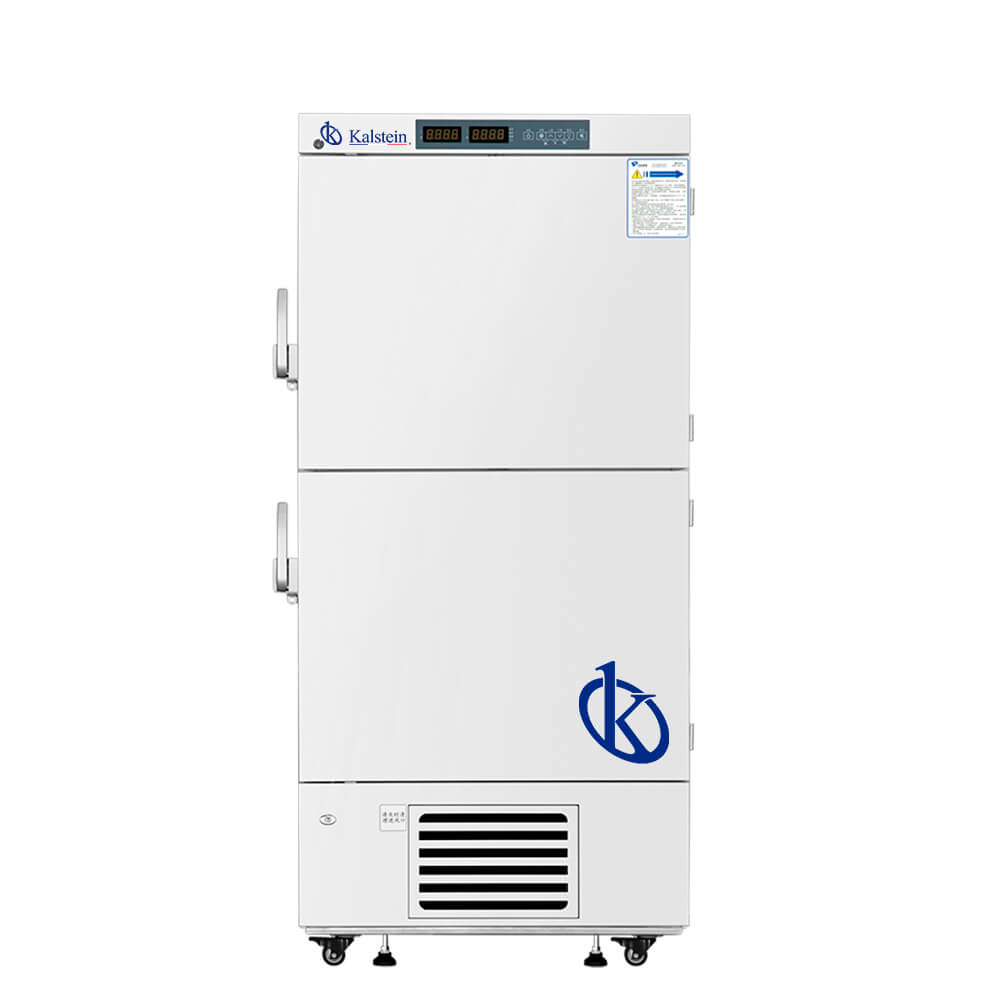
In 2026, low temperature freezers are essential in both clinical and research laboratories for the storage of biological samples, vaccines, and various medical supplies. These freezers maintain temperatures typically between -20°C and -40°C, providing the ideal environment for preserving the integrity of sensitive materials. The ability to customize storage configurations with adjustable shelving also enhances their usability, allowing laboratories to optimize space based on the specific needs of their samples.
History and evolution of the technology
The technology behind low temperature freezers has evolved significantly over the years. Initially, laboratory freezers were rudimentary and often depended on manual defrost and temperature settings. However, advancements in microprocessor controls and refrigeration systems have introduced features such as automatic temperature regulation, dual independent compartments, and multi-layer alarms for enhanced reliability. These innovations have made low temperature freezers not only more efficient but also safer for critical materials, ensuring that they remain viable for longer periods.
How to use it step by step
Using a low temperature freezer involves several key steps:
- Installation: Ensure that the freezer is placed in a stable, dry environment with sufficient airflow around it. Plug it into a suitable power source.
- Setting the Temperature: Utilize the digital display to set the desired temperature range. For most biological samples, a setting of -20°C to -40°C is recommended.
- Organizing Samples: Use adjustable shelving to configure the interior based on sample sizes. Label all samples clearly for easy identification.
- Monitoring: Regularly check the digital display and temperature alarms. Ensure that the freezer is functioning within the set parameters.
- Maintenance: Perform periodic maintenance, including defrosting (if manual), cleaning, and checking for any anomalies in operation.
Best techniques and protocols
To ensure optimal performance, follow these best practices:
- Always keep the freezer door closed to maintain temperature stability.
- Perform regular checks on alarm systems to confirm they are operational.
- Use internal temperature monitoring devices for additional safety.
- Ensure proper labeling and organization of samples to minimize door opening time.
- Adhere to manufacturer guidelines for maintenance and calibration.
Practical applications by laboratory type
Low temperature freezers find applications across various laboratory types:
- Clinical Laboratories: Used for storing blood samples, plasma, and vaccines.
- Research Laboratories: Essential for preserving DNA, RNA, and various biological reagents.
- Pharmaceutical Companies: Critical for maintaining the efficacy of drugs and biopharmaceuticals over time.
- Veterinary Practices: Used for long-term storage of vaccines and medical supplies for animals.
Regulations, standards and certifications
Laboratories using low temperature freezers must comply with various regulations and standards that ensure safety and quality. Common certifications include:
- ISO 9001 for quality management systems.
- FDA regulations for medical devices and storage.
- Good Laboratory Practices (GLP) guidelines.
- CE marking for products sold in European markets.
Comparison with alternative technologies
When considering low temperature freezers versus other storage technologies, several factors come into play:
- Liquid Nitrogen Storage: Offers lower temperatures but can be costly and requires more complex handling.
- Ultra-Low Freezers: Can reach temperatures below -80°C, ideal for long-term storage of critical samples but also more expensive.
- Refrigerators: Suitable for general storage but do not provide the temperature stability required for sensitive biological materials.
Comparison of available models
| Model | Best for | Key specs | Recommended use case |
|---|---|---|---|
| YR05100 | Flexible sample storage | -20°C to -40°C, 6.7 kWh/23h | Ideal for laboratories needing adjustable shelving for various sample sizes. |
| YR05309 | Medical supplies | -20°C to -40°C, 5.5 kWh/24h | Best suited for storing critical medical supplies with high reliability. |
| YR05311 | Research applications | -10°C to -25°C, 300W | Perfect for laboratories requiring independent compartments for various samples. |
Common mistakes and how to avoid them
Laboratories often make several common mistakes when using low temperature freezers. Here are ways to avoid them:
- Never overload the freezer, which can restrict airflow and affect temperature stability.
- Avoid frequently opening the door, as this can cause temperature fluctuations.
- Ensure that alarms are set correctly and regularly tested.
- Don’t neglect regular cleaning and maintenance as it can lead to operational failures.
Maintenance, calibration and good practices 2026
Proper maintenance is crucial to ensure the longevity of the freezer:
- Clean the interior regularly to prevent contamination.
- Calibrate the temperature settings every six months.
- Check for ice build-up and defrost if necessary, especially in manual systems.
- Document maintenance procedures to maintain compliance with regulations.
Cost-benefit analysis 2026
Investing in a low temperature freezer presents several benefits:
- Extended shelf life for samples reduces waste and costs associated with sample replacement.
- Improved reliability and safety mitigate risks of sample degradation.
- Efficient storage can save space and improve workflow in the laboratory.
When considering the upfront costs, it is essential to weigh these factors against the long-term savings and benefits.
Frequently asked questions
What are the most common applications for low temperature freezers?
Low temperature freezers are commonly used for storing biological samples, vaccines, and medical supplies that require stable low temperatures to maintain their integrity.
How do I choose the right low temperature freezer for my laboratory?
Consider factors such as the temperature range needed, storage capacity, and specific features like adjustable shelving and alarm systems to choose the right freezer for your laboratory.
What maintenance is required for low temperature freezers?
Regular maintenance includes cleaning the interior, checking and calibrating temperature settings, and ensuring alarms are functioning properly.
Can I store sensitive materials in a manual defrost freezer?
Yes, but it is important to frequently monitor the temperature and clean any ice build-up to maintain an optimal storage environment.
How does temperature fluctuation affect stored samples?
Temperature fluctuations can compromise the quality and viability of stored samples, leading to inaccurate results and potential loss of critical materials.
What features should I look for in a low temperature freezer?
Look for features such as dual temperature compartments, multiple alarm systems, and easy-to-read digital displays to ensure effective monitoring and storage.
Where can I request a quote for low temperature freezers?
You can request a quote for low temperature freezers through our dedicated service channels.
If you are looking for a fusion of innovation and quality, you have come to the right place. At Kalstein, we offer you the luxury of exploring our exclusive catalog of laboratory equipment. We manufacture every device to the highest standards of excellence. Our intuitive and seamless online purchasing channels are designed for your convenience, securing the most competitive prices. Hesitate no longer — we bring science to life, it is time to become part of our community.