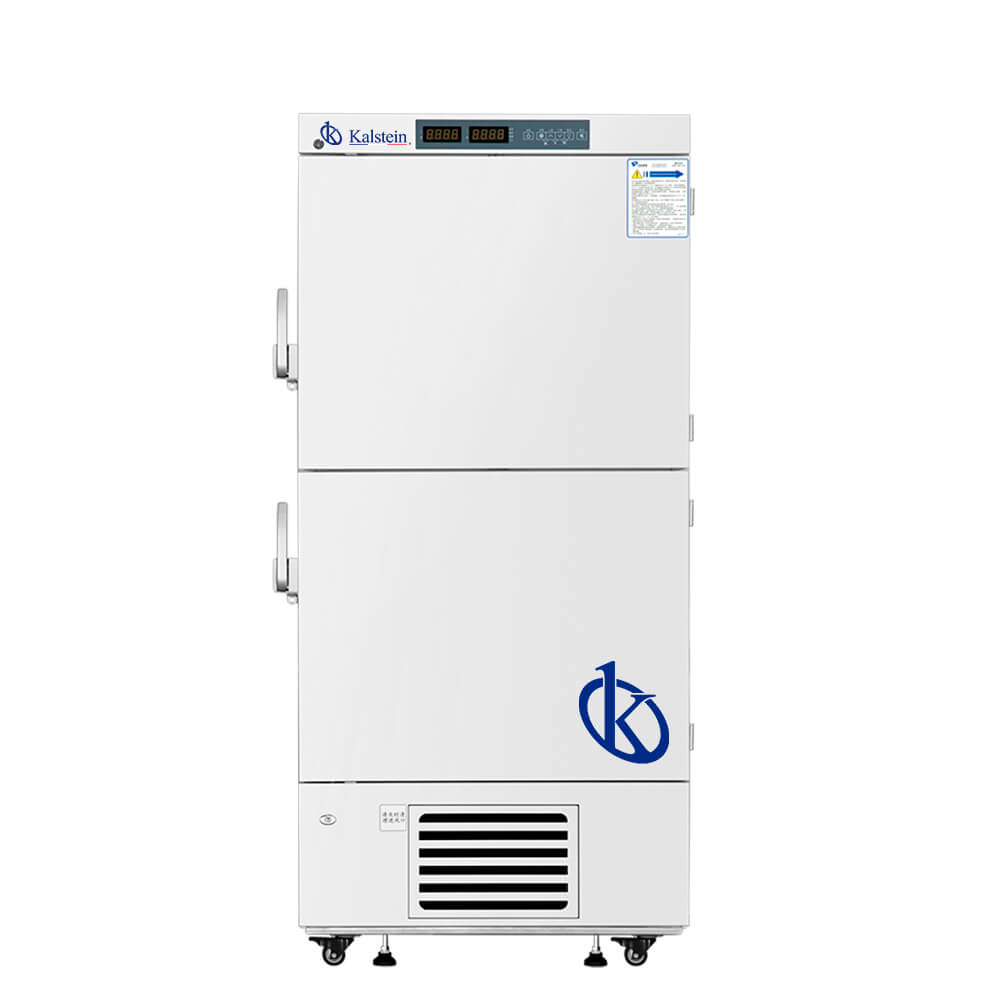
How Low Temperature Freezers Enhance University Research and Academic Projects
In the dynamic landscape of academia, particularly within research universities, the role of low temperature freezers cannot be overstated. These devices are essential for preserving sensitive biological samples, chemicals, and reagents at stable low temperatures. This article delves into how low temperature freezers contribute to efficient university research and academic projects, emphasizing their functionality, key specifications, and the benefits they offer to laboratory professionals.
Understanding the Role of Low Temperature Freezers in Academic Settings
Low temperature freezers are critical in maintaining the integrity of samples collected for research. They serve various functions in university laboratories, including the storage of biological materials such as DNA, RNA, and proteins, which require stringent temperature control to prevent degradation. The application of these freezers extends to various fields, including molecular biology, biochemistry, and pharmaceutical research. By ensuring that samples are stored at optimal conditions, researchers can achieve reproducible results, thus contributing to the overall success of their academic endeavors.
Comparison of Available Models
| Model | Maximum Temperature | Storage Capacity | Power Consumption (W) | Best for Academic Projects |
|---|---|---|---|---|
| YR05100 | -20 to -40 °C | Flexible; adjustable shelves | 340 | Biological sample preservation |
| YR05309 | -20 to -40 °C | 358L | 310 | Increased sample security with alarms |
| YR05311 | -10 to -25 °C | Two independent chambers | 300 | Flexible storage for various samples |
Key Features of Low Temperature Freezers for Research
The selection of a low temperature freezer should be driven by its key features that align with research needs. For instance, the YR05100 model’s adjustable shelves allow researchers to customize the internal layout to accommodate varying sample sizes, enhancing usability. On the other hand, the YR05309 model offers multiple alarms for malfunction, ensuring sample safety. With its robust construction, the YR05311 model provides two independent temperature-controlled chambers, which is beneficial for labs handling diverse materials simultaneously.
Cost-Effectiveness of Low Temperature Freezers in Academic Research
When evaluating the cost-effectiveness of low temperature freezers, considering both capital expenditures (CAPEX) and operational expenditures (OPEX) proves vital. For example, acquiring a YR05309 freezer might involve an upfront cost of around $1620. Analyzing the energy consumption, which is about 5.5 kWh per day, alongside the operational lifespan, can yield insights into long-term savings. This assessment can guide universities in making strategic decisions about equipment purchases tailored to their research budgets.
Energy Consumption and Sustainability of Low Temperature Freezers
In today’s research climate, sustainability is increasingly important. Low temperature freezers must be energy-efficient to minimize their carbon footprint. The YR05100, consuming 6.7 kWh per day, offers a balance between performance and energy savings. Research institutions can benefit from evaluating the energy consumption relative to their overall utility costs, thus integrating sustainability into their operational strategy.
Common Mistakes and How to Avoid Them
When selecting low temperature freezers for academic projects, universities often make common mistakes, such as underestimating storage needs or neglecting maintenance protocols. It is crucial to assess the volume of samples that will be stored and to consider models like the YR05311, which offers flexibility with multiple drawers. Regular maintenance checks, following the manufacturer's guidelines, can prevent potential failures and preserve sample integrity.
Frequently Asked Questions
What features do low temperature freezers need for university research?
Low temperature freezers like the YR05309 should have adjustable shelves, reliable temperature control, and alarm systems. These features ensure optimal sample preservation, which is crucial for reproducibility in research. A well-equipped freezer directly supports the overarching goals of academic projects.
How does energy efficiency impact low temperature freezer selection for labs?
Energy efficiency is critical when choosing low temperature freezers, especially for labs managing tight budgets. The YR05100 consumes 6.7 kWh per 23 hours, making it a cost-efficient option. By analyzing energy costs against performance, labs can make informed decisions without compromising research integrity.
Which low temperature freezer is best for large university labs?
The YR05309 model, with its 358L capacity and multiple alarm features, is ideal for large university laboratories. Its design allows safe storage of considerable sample volumes while ensuring real-time monitoring of conditions, which is essential for extensive research projects.
How do I determine the right low temperature freezer for my research project?
Determining the right low temperature freezer involves assessing sample types, volumes, and stability requirements. For instance, the YR05311 is suitable for diverse materials due to its two separate chambers, catering to varied storage needs often encountered in university research.
What maintenance practices are essential for low temperature freezers?
Essential maintenance practices include regular temperature checks, defrosting as recommended, and ensuring that door seals are intact. For example, the YR05100 requires manual defrosting to maintain efficiency, which is critical to prolonging its lifespan and ensuring sample safety.
How can low temperature freezers aid in compliance with research standards?
Low temperature freezers help laboratories meet compliance with standards by maintaining sample integrity through reliable temperature control. Models like the YR05309 include advanced alarm systems that alert users to any temperature deviations, thereby supporting adherence to research protocols.
What role do low temperature freezers play in biobanking?
Low temperature freezers are fundamental in biobanking, facilitating the long-term preservation of biological samples. The YR05311 model, for instance, provides adjustable shelving that can accommodate various sample sizes, crucial for effective biobank management.
Conclusion
Low temperature freezers play a pivotal role in enhancing research capabilities within university settings. By providing reliable storage solutions, they enable academics to focus on their work without compromising the integrity of their samples. As demonstrated, models such as the YR05100, YR05309, and YR05311 cater to the diverse needs of researchers, ensuring that essential materials are kept under optimal conditions. By selecting the right model and maintaining it effectively, universities can support academic projects and foster innovation in research.
If you are looking for a fusion of innovation and quality, you have come to the right place. At Kalstein, we offer you the luxury of exploring our exclusive catalog of laboratory equipment. We manufacture every device to the highest standards of excellence. Our intuitive and seamless online purchasing channels are designed for your convenience, securing the most competitive prices. Hesitate no longer — we bring science to life, it is time to become part of our community.