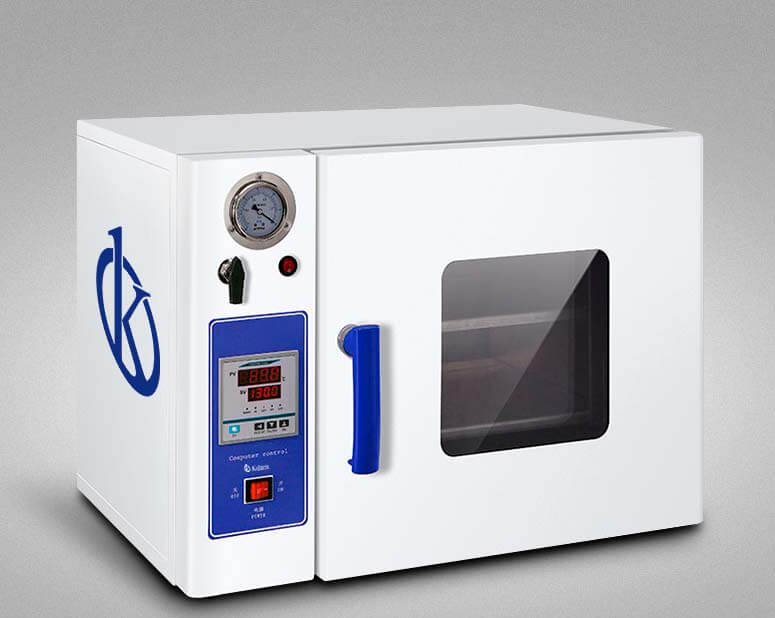
Maximizing Return on Investment: Cost-Benefit Analysis for Vacuum Ovens
In modern laboratories, the demand for efficiency and precision is ever-growing. One area where significant improvements can be made is in heat-sensitive drying processes. Vacuum ovens are increasingly becoming essential tools in various sectors, including pharmaceuticals, biochemistry, and environmental research. Understanding these devices' roles in cost-benefit analysis and return on investment (ROI) can lead to more informed purchasing decisions and enhanced laboratory performance.
Understanding Vacuum Ovens in the Context of Cost-Benefit Analysis
Vacuum ovens operate by removing air from the drying chamber, allowing for a lower drying temperature and reducing the risk of thermal degradation of sensitive materials. This method is particularly beneficial for drying powders and sterilizing glass containers without compromising their integrity.
When considering vacuum ovens in a laboratory setting, the cost-benefit analysis plays a critical role. It allows laboratory managers to evaluate the initial costs, operational efficiency, and long-term savings associated with these ovens. The key factors to consider in this analysis include acquisition costs, maintenance, energy consumption, and the overall impact on productivity.
Key Factors in Cost-Benefit Analysis of Vacuum Ovens
A comprehensive cost-benefit analysis should take into account several key factors:
- Initial Investment: The upfront costs associated with purchasing vacuum ovens, including installation and setup expenses.
- Operational Costs: This includes energy consumption, maintenance, and consumables needed during operation.
- Productivity Gains: The efficiency improvements that vacuum ovens bring in terms of workflow and throughput.
- Long-Term Savings: An evaluation of how reduced drying times and energy efficiency contribute to cost savings over time.
- Compliance and Quality: Ensuring that the ovens meet industry standards, which can prevent costly regulatory non-compliance.
Comparative Analysis of Available Vacuum Oven Models
To facilitate a better understanding of how different vacuum oven models compare, we will examine key specifications and performance factors relevant to ROI and cost-benefit analysis.
| Model | CAPEX (USD) | Cost per Test | Payback (Months) | Recommended Scenario |
|---|---|---|---|---|
| YR05260-A | 330.00 | 1.00 | 6 | Basic labs requiring efficient drying |
| YR05261-A | 460.00 | 1.50 | 7 | Medium-sized labs with diverse applications |
| YR05262-SS | 400.00 | 1.20 | 5 | Labs focusing on environmental research |
| YR05263-SS | 590.00 | 1.80 | 8 | High-volume production environments |
| YR05264-A | 690.00 | 2.00 | 9 | Specialized labs needing extensive capabilities |
| YR05265-SS | 845.00 | 2.50 | 10 | Advanced research requiring high precision |
Common Mistakes and How to Avoid Them
When investing in vacuum ovens, laboratories often make several common mistakes that can lead to inefficient use of resources:
- Overlooking Energy Efficiency: Failing to consider the energy consumption of different models can lead to higher operational costs over time.
- Ignoring Maintenance Costs: Some models may have higher upkeep costs which can reduce ROI.
- Not Assessing Workflow Needs: Choosing a model without considering the specific drying needs of the lab may lead to underperformance.
- Poor Understanding of Specifications: Not fully analyzing the technical specifications can result in purchasing equipment that does not meet the laboratory's requirements.
Frequently Asked Questions
What is the average ROI for vacuum ovens in laboratory settings?
The average ROI for vacuum ovens can vary significantly based on the model and usage. For instance, the YR05260-A at $330.00 can provide a payback period of around 6 months, which suggests a strong ROI potential.
How do vacuum ovens impact energy costs in laboratories?
Vacuum ovens like the YR05262-SS consume less energy than traditional ovens, leading to lower operational costs. By efficiently drying materials, they can save significant amounts in energy bills over time.
Which vacuum oven model is best for reducing drying times?
The YR05261-A is known for its effective drying capabilities, making it ideal for laboratories that require quick turnaround times in drying samples, thus optimizing workflow efficiency.
How can compliance affect the choice of vacuum ovens?
Compliance with industry standards, such as ISO 17025, can influence the selection of vacuum ovens. For example, models like the YR05264-A are designed with features that support regulatory compliance, ensuring reliable results.
What is the cost per test for the YR05263-SS vacuum oven?
The YR05263-SS vacuum oven has a calculated cost per test of approximately $1.80, making it a viable option for laboratories looking to balance performance and affordability.
How can I assess the long-term savings of vacuum ovens?
To assess long-term savings, labs should calculate the total operational costs, including maintenance and energy, versus the initial investment and expected productivity gains from using models like YR05262-SS.
What factors should be considered when selecting a vacuum oven?
Factors include initial costs, energy efficiency, maintenance requirements, and the specific applications needed in the lab. For example, the YR05265-SS offers advanced features for high-precision applications.
How do vacuum ovens compare to other drying methods in terms of cost-effectiveness?
Vacuum ovens generally provide a more cost-effective solution compared to conventional drying methods by reducing energy consumption and improving drying times, particularly notable in models like YR05264-A.
If you are looking for a fusion of innovation and quality, you have come to the right place. At Kalstein, we offer you the luxury of exploring our exclusive catalog of laboratory equipment. We manufacture every device to the highest standards of excellence. Our intuitive and seamless online purchasing channels are designed for your convenience, securing the most competitive prices. Hesitate no longer — we bring science to life, it is time to become part of our community.